Schooling in Florida: The VPK Program
As promised, here is our experience with the VPK program in Florida. One important thing to know is that in the United States, public school usually starts at the age of 5, which is different from France. Before that age, families often look at preschool solutions, private structures, daycare, or the VPK program.
VPK stands for Voluntary Prekindergarten. In Florida, it is a program designed to prepare children for kindergarten and to help them develop social, language, and classroom habits before entering the official school system. For many families, it is the first real school step.
Understanding VPK, Pre-K, and Kindergarten
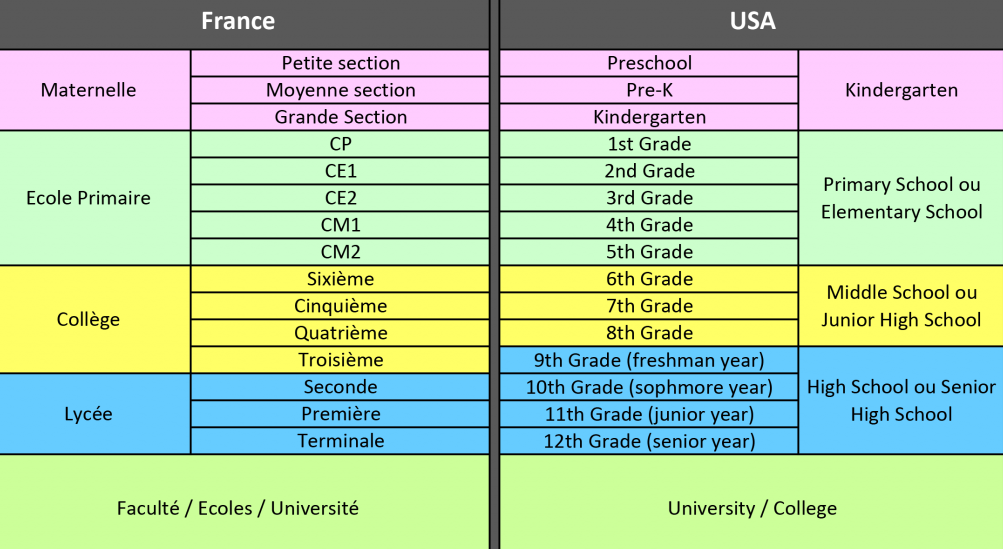
When you arrive in Florida, the vocabulary can be confusing. You will hear words such as preschool, Pre-K, VPK, and Kindergarten. They do not all mean the same thing.
- Preschool usually refers to early childhood education before compulsory school age.
- Pre-K is a pre-kindergarten class for young children.
- VPK is the Florida program that helps children get ready for kindergarten.
- Kindergarten begins around age 5 and is the first real stage of public school.
Enrollment in VPK
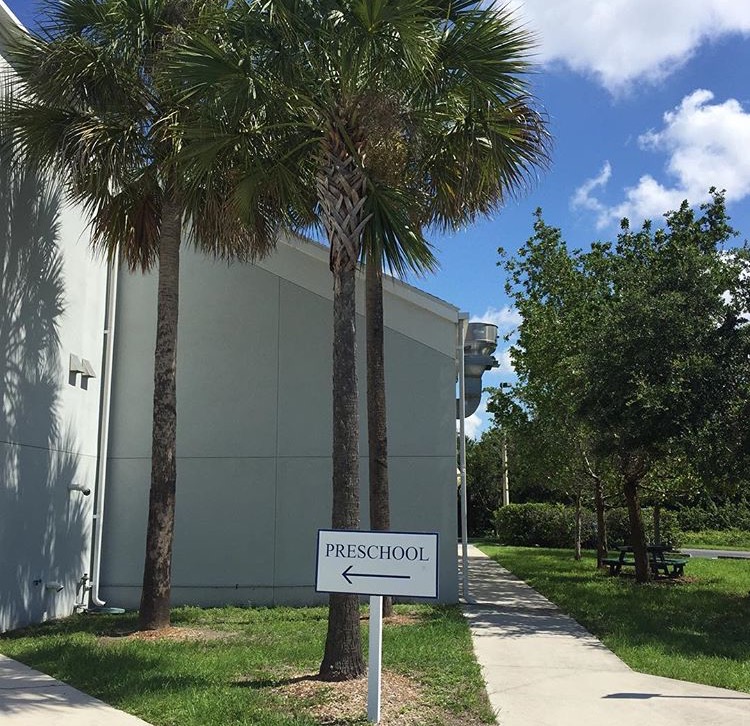
The registration process takes some organization. Families generally need to gather documents and contact approved schools or centers. Depending on the period and the area, some places may have limited availability, so it is useful to start early and to stay flexible.
In our case, the school principal was lovely and contacted us again during the summer to let us know that a few places had become available for two or three days per week. We finally chose two full days per week, which felt like a good balance for a first school experience.
The information day
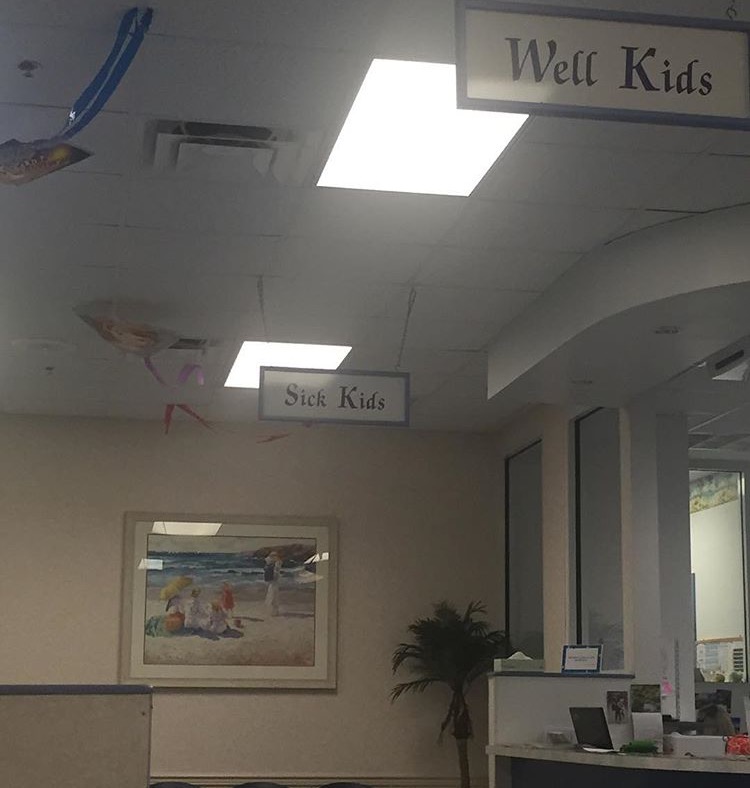
Once the school had been chosen, we attended an information day about a week before classes started. This moment was very useful because it allowed us to discover the structure, understand the classroom routine, meet the staff, and get a clearer picture of how things would work.
These first contacts are reassuring, especially for parents who are discovering the American school system for the first time. The vocabulary, organization, and expectations are not always the same as in France, so every explanation helps.
Back to school in Florida
In the United States, school vacations are spread differently and are often shorter than in France, so the idea of a traditional “rentrée” hardly exists in the same way. Instead, you will often see the expression back to school everywhere in stores and advertisements.
Our son had his first real “back to school” on August 11. Everything went very well. He was welcomed warmly, he was happy to go, and the beginning was much smoother than we had feared. It was a moving moment for us, because it marked his first step into a new educational environment in Florida.
After a few weeks
After the first weeks, we could already see how useful the experience was. VPK is not only about academic learning. It is also about routines, socialization, autonomy, listening, and adapting to group life. For a young child, these foundations are extremely valuable before kindergarten.
The school rhythm, the language environment, and the local culture also play a role. For expatriate families, this stage can be especially important because it helps children integrate progressively into their new environment.
Our opinion on VPK in Florida
Overall, we had a positive experience. The system requires a little effort to understand at first, especially when you are arriving from abroad, but once the key terms are clear, the logic becomes much easier to follow. VPK can be a very good transition between early childhood and the beginning of school in Florida.
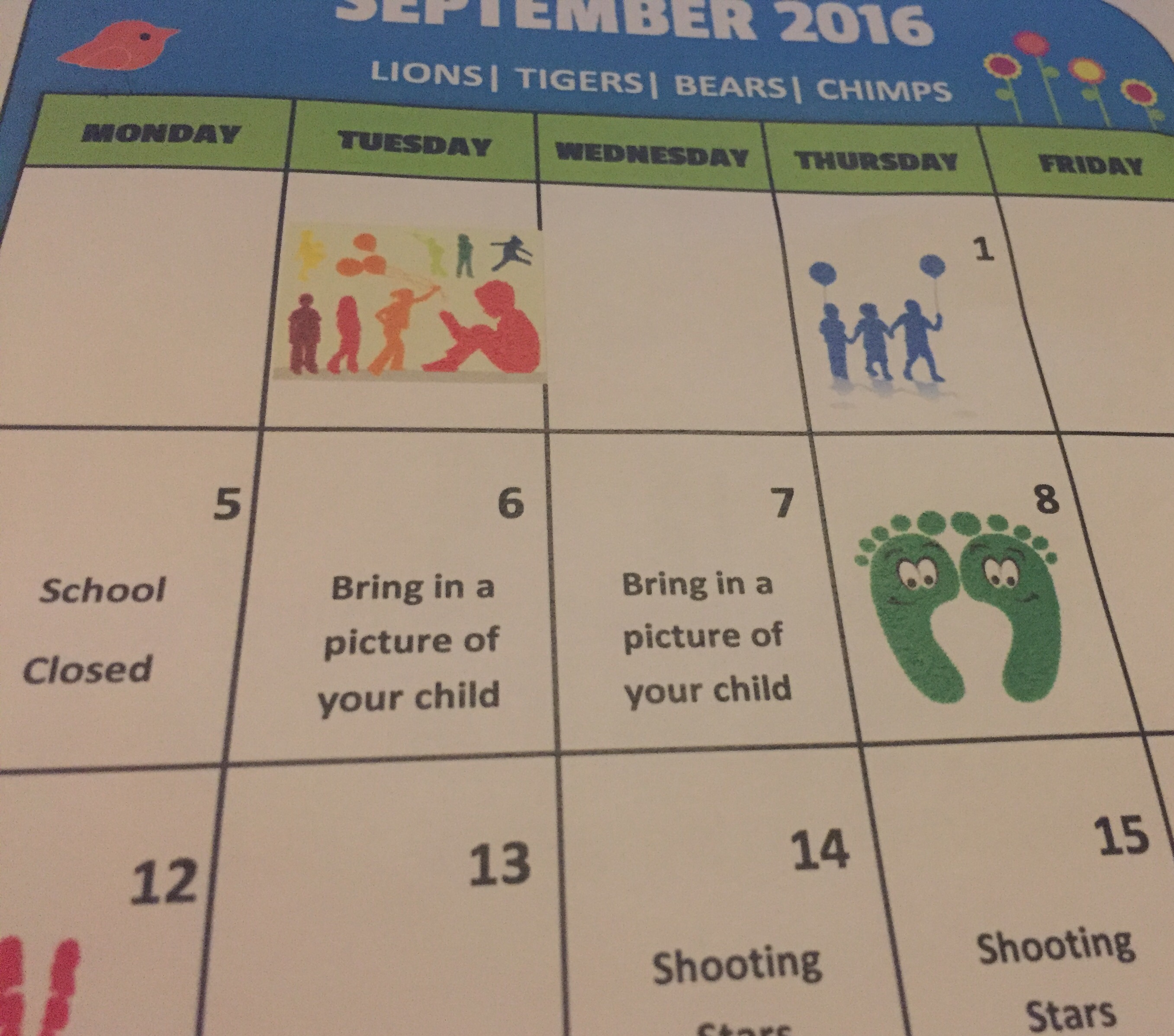
For parents who are settling in the state, it is worth taking time to learn the vocabulary, check the available options, and visit the structures. The first school experience matters a lot, and in our case it was a reassuring and encouraging start.
What VPK changes for a child
Beyond the school system itself, VPK can really help children develop confidence in a group environment. They learn routines, classroom behavior, transitions, attention, and social interaction. For expatriate families, this can also soften the adaptation to a new language and a new culture.
Why this stage matters for parents too
Parents also learn through the process. You begin to understand the local educational vocabulary, the school calendar, the communication style with teachers, and the expectations of the American system. In that sense, VPK is often a first step not only for the child, but for the whole family.
Settling into the rhythm
After the first days, the new rhythm becomes more natural. Children begin to recognize their teachers, their classroom, and the daily routines, while parents start to feel less lost in the local educational system. That progressive familiarity is one of the real benefits of the VPK experience.