Kindergarten, the First Year of School in the USA
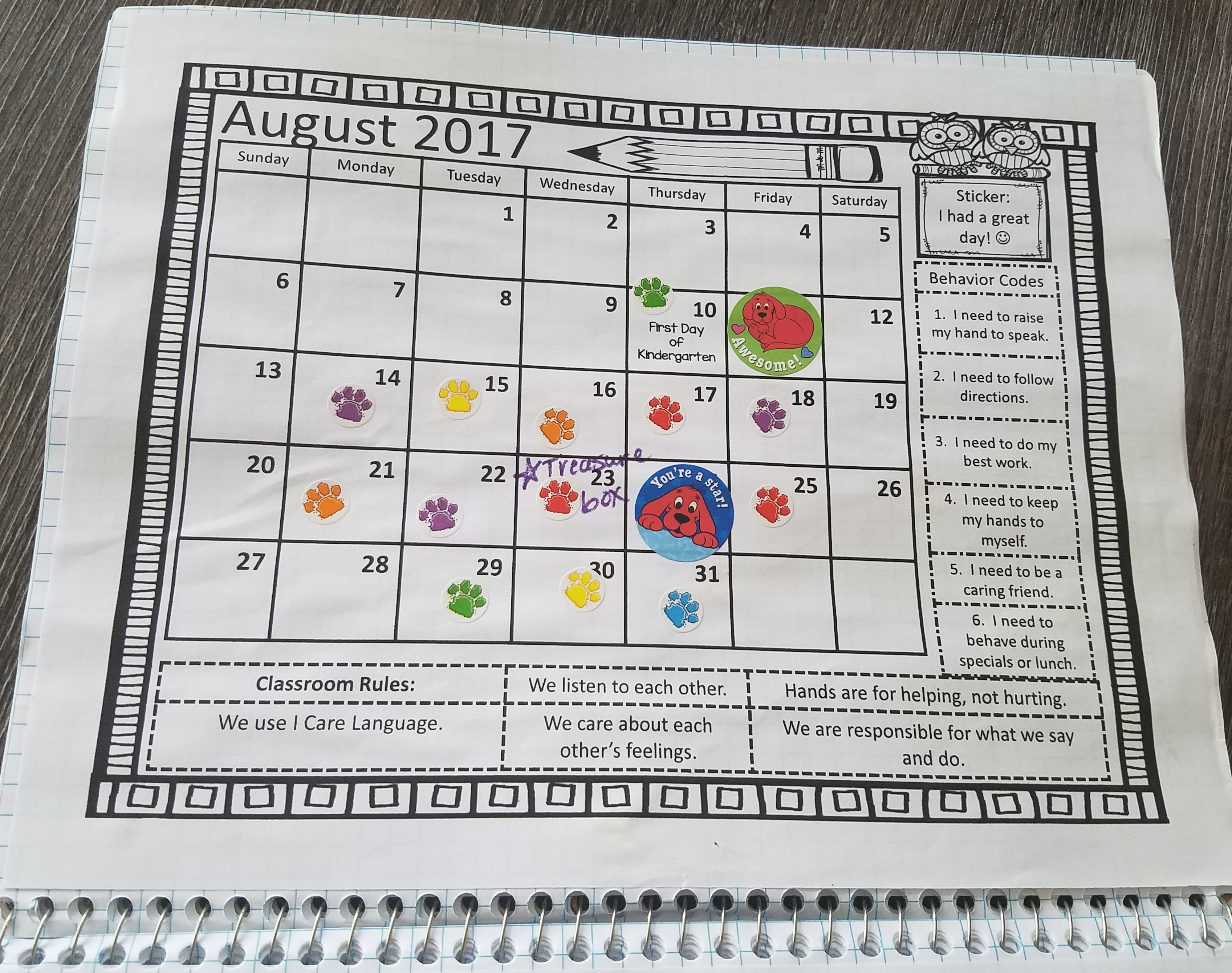
For those who do not know it, the first year of school in the USA is called Kindergarten, and it begins once the child is 5 years old by September 1 of the current school year. You can also find a detailed chapter about schooling in the United States in my book Expatriation to the USA, the Day After.
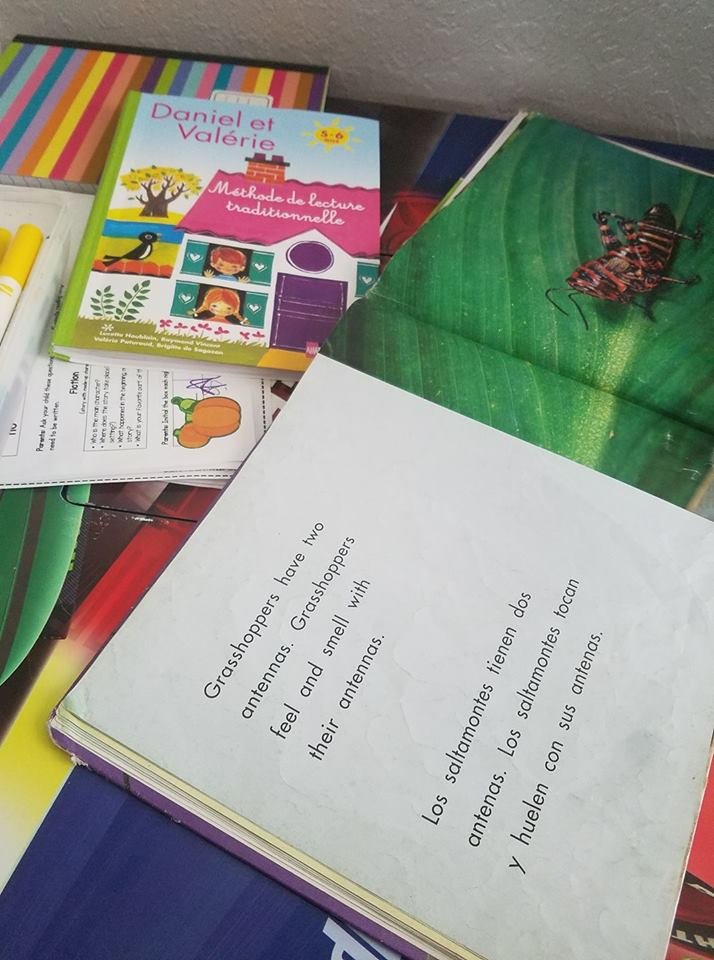
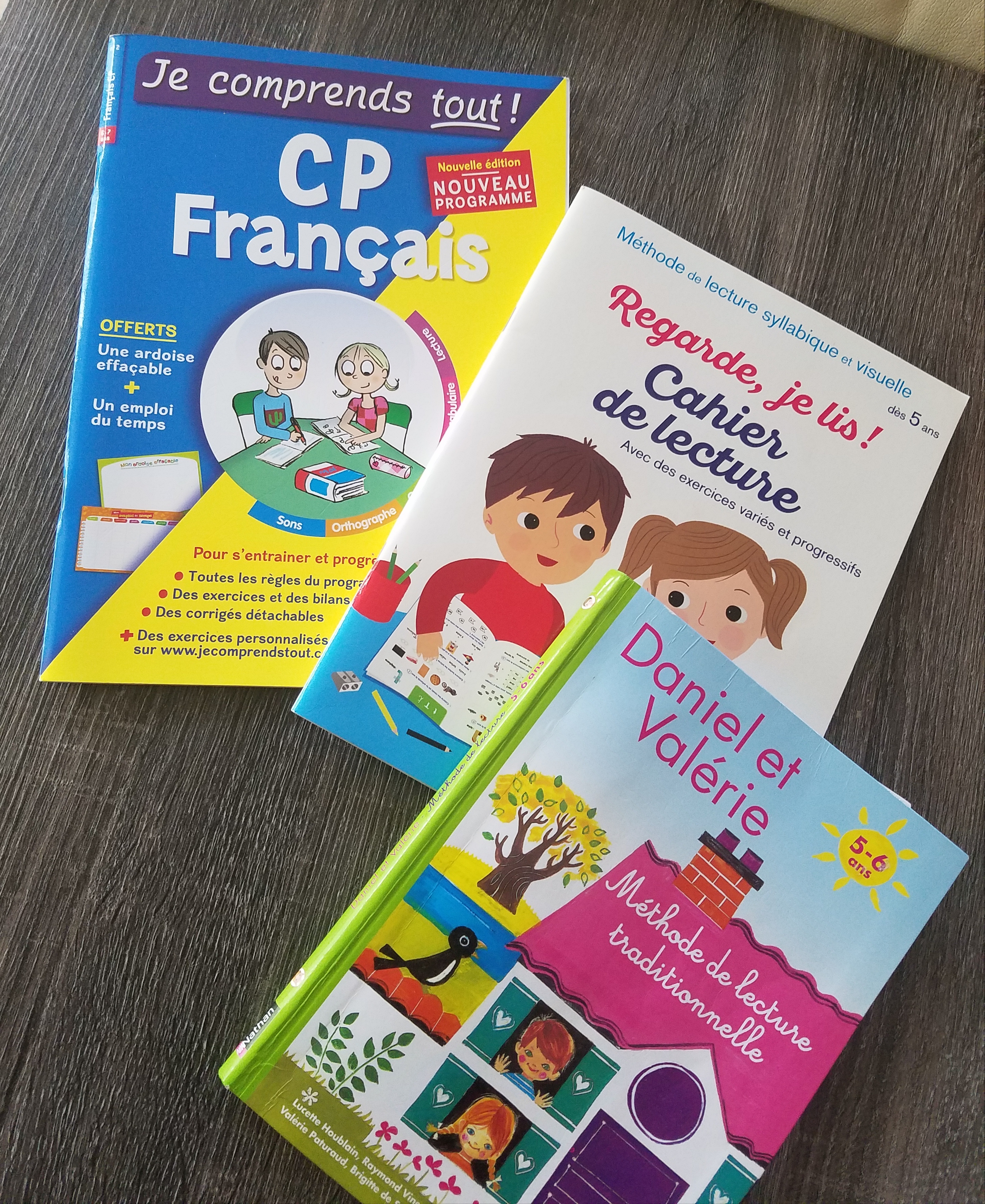
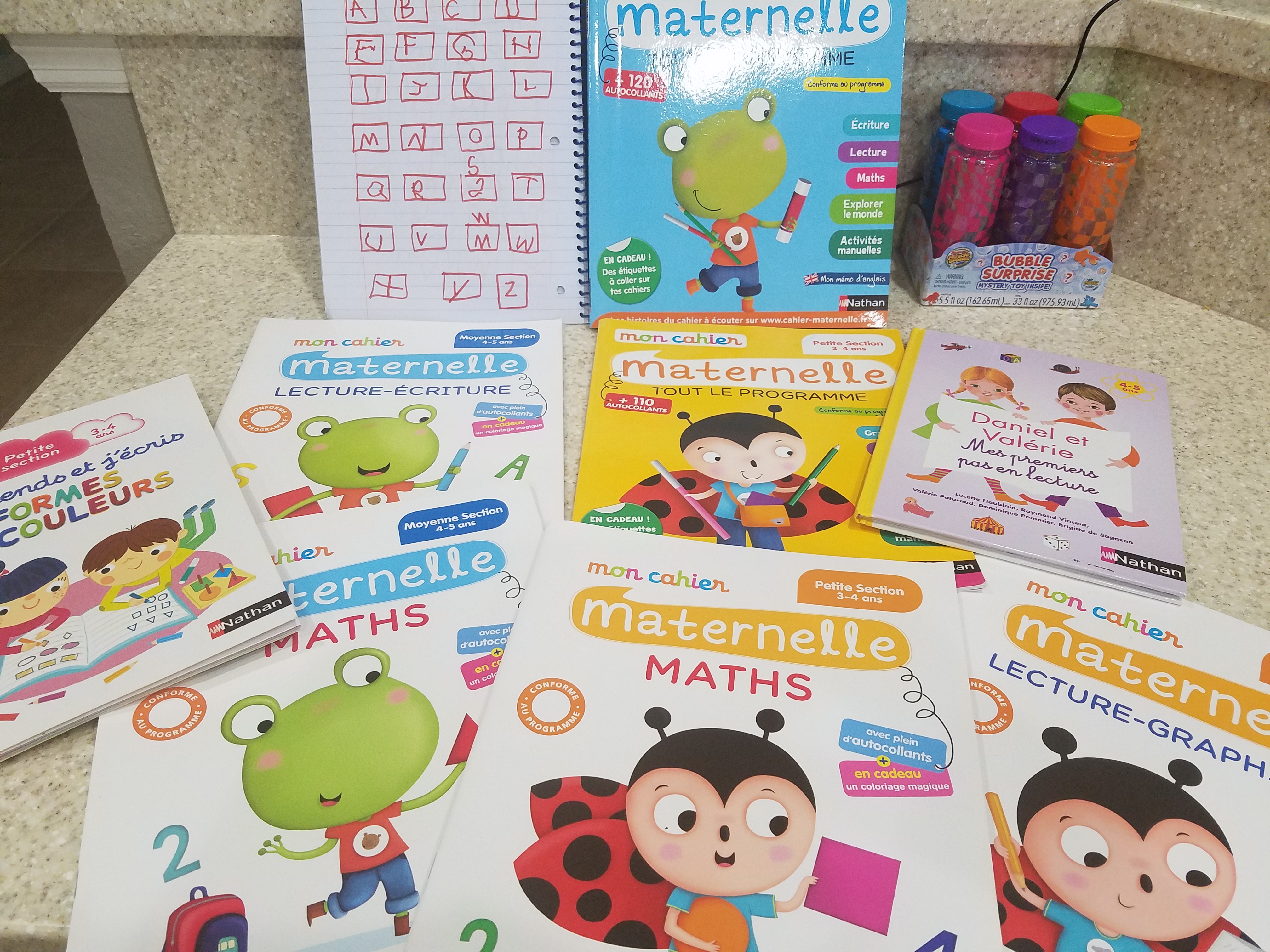
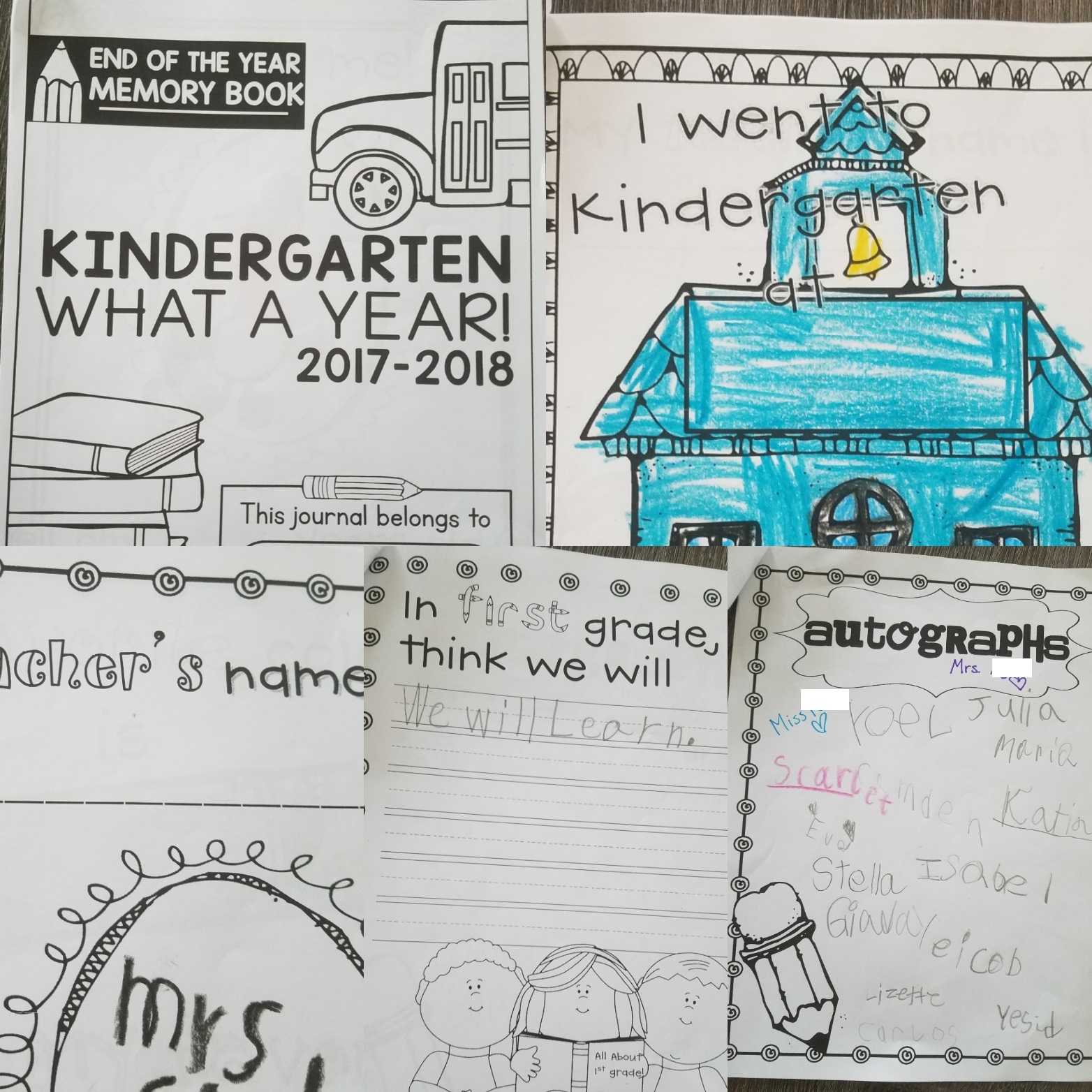
Our son therefore started school in August of that year, and even though he had already followed the VPK program the year before, with two days per week in Preschool, he still was not fluent in English when he entered Kindergarten. That year we had several challenges for him, including speaking, reading, and beginning to write in English. At the same time, alongside school in the USA, we also wanted him to read and begin to write in his mother tongue, French.
ADAPTATION
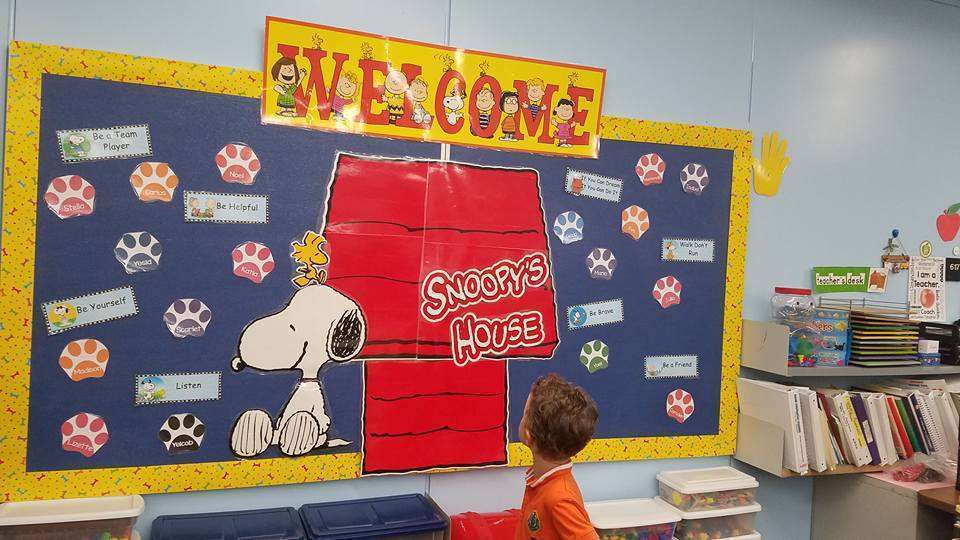
As parents, the most important thing for us is that our children are happy and feel comfortable in their environment. Regarding our son, we were not too worried because he adapts easily within groups of children, and that once again proved true that year. In just a few weeks, he had made his group of friends in class despite the language barrier and had adapted perfectly. Through them, he not only worked on his everyday English, but also built his first true friendships, which is very important at that age.
Beyond adaptation itself, we saw him flourish month after month and, above all, love going to school even though he had to wake up at 6:30 every morning, with a sustained rhythm and very little vacation time.
THE SCHOOL YEAR
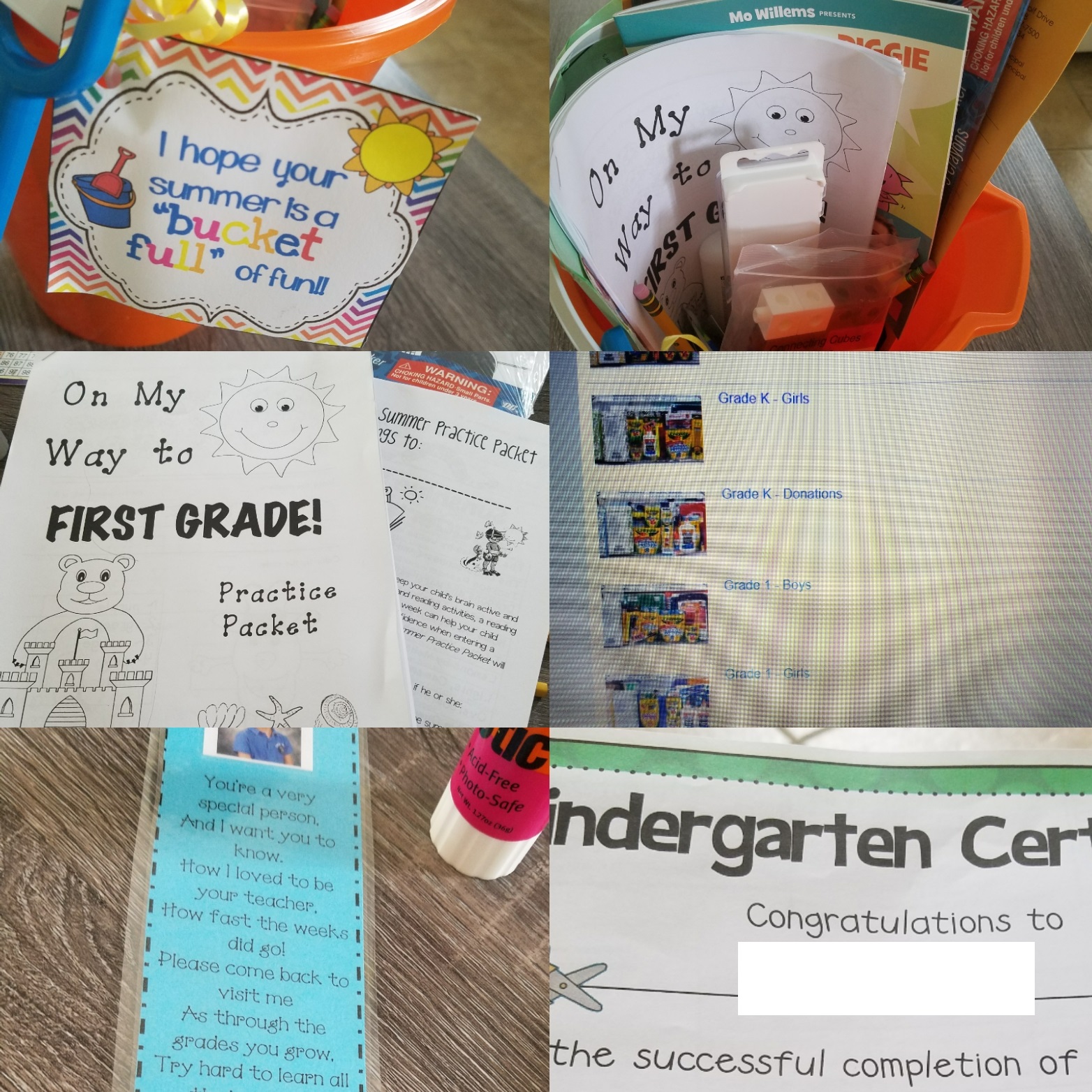
In the United States, the school calendar is very different from the French one. There are far fewer vacation periods, and the dates vary depending on states and counties. For example, our son started school in mid-August, then had 4 days off for Thanksgiving, 15 days for the holidays, and one week for Spring Break in March. The long summer break started on May 31 and lasted until mid-August.
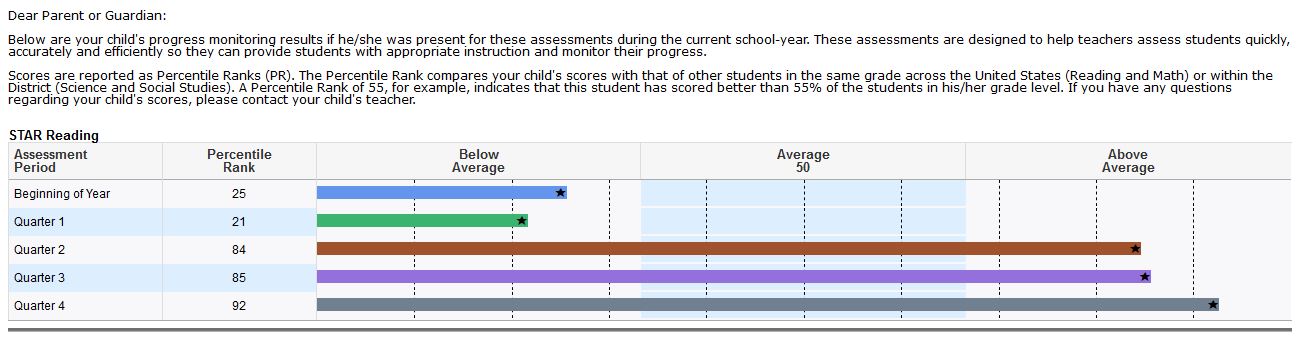
The year was divided into 4 quarters, with a report card and comments at the end of each one. School hours were from 7:55 a.m. to 2:10 p.m., with a short recess and a brief lunch break. His weeks included several activities in English, such as reading and writing, as well as math, art, music, drawing, STEM, and sports several times per week. That year he was able to try hockey, baseball, handball, and football. At his own request, he also began soccer as an extracurricular activity.
It is worth knowing that in the United States, university studies are expensive. In fact, they are very expensive. Children whose parents do not have a large financial cushion often need to work alongside their higher education and take on debt before even entering adult working life, unless they are lucky enough to get into a good university at lower cost and obtain a scholarship. But those places are highly competitive. A child may need to be either a brilliant student or a high-level athlete able to help the university in order to receive a scholarship.
This context means that children learn very early to fight to be among the best, and parents often push them strongly, perhaps sometimes too strongly. School generally ends in the early afternoon, but for many children it is followed by numerous extracurricular activities: sports, music, enrichment, and other forms of education.
What we learned from Kindergarten
This first year taught us a lot. First, that children can sometimes adapt much faster than adults fear. Second, that school in the USA is not only about academics, but also about rhythm, integration, confidence, and social life. Finally, it showed us how important it is, as expatriate parents, to accompany the child while still trusting their ability to adapt.
For us, Kindergarten was not just a school year. It was a real milestone in our expatriation and one of the first moments when we clearly felt that our children were building a life of their own in this new country.
Kindergarten is one of the most important first milestones in discovering school life in the United States.
A first year that changes the whole family rhythm
Kindergarten also changes family life in a very concrete way. The school rhythm is structured, the mornings begin early, the expectations are real, and parents quickly discover another way of organizing daily life. For expatriate families, this first year is not only about the child entering school, it is also about the parents learning how the American school system functions.
Between communication with the school, homework habits, activities, school events, and the social life that develops around classmates, Kindergarten becomes a major step in the expatriation experience itself.
Why this milestone matters so much
What makes this first school year so important is that it reassures families while also confronting them with a new reality. You see your child adapt, make friends, learn in another language, and gradually become more at ease in a system that initially felt unfamiliar. That is both moving and very instructive.
It is also one of the moments when you really realize that expatriation is no longer just the parents’ project. The children themselves are now building their life, habits, and memories in this new country.
Kindergarten is not just the first year of school in the USA: it is one of the first major milestones of family adaptation abroad.
Language, confidence, and daily progress
One of the most moving parts of this first year is seeing the progress happen in daily life. At the beginning, the language barrier can seem intimidating. But then, little by little, the child starts understanding more, speaking more naturally, and becoming more confident. That evolution is often one of the most reassuring things for parents.
It also shows how powerful immersion can be. Through friendships, classroom life, routines, and everyday repetition, children often make progress much faster than adults imagine. That does not remove every challenge, but it changes the family’s perspective on what is possible.
A very concrete expatriation lesson
Kindergarten taught us that school is not only an administrative or academic subject in an expatriation project. It is one of the places where adaptation becomes real. Through school, the child enters local life, develops friendships, learns codes, and gradually becomes at ease in the new country.
For parents, it is often both reassuring and emotional to witness this process. You realize that the child is no longer simply “living abroad with you,” but is truly beginning to belong to this new daily environment.
The first year of Kindergarten is often the moment when expatriate parents truly see their child start building a life in the USA.