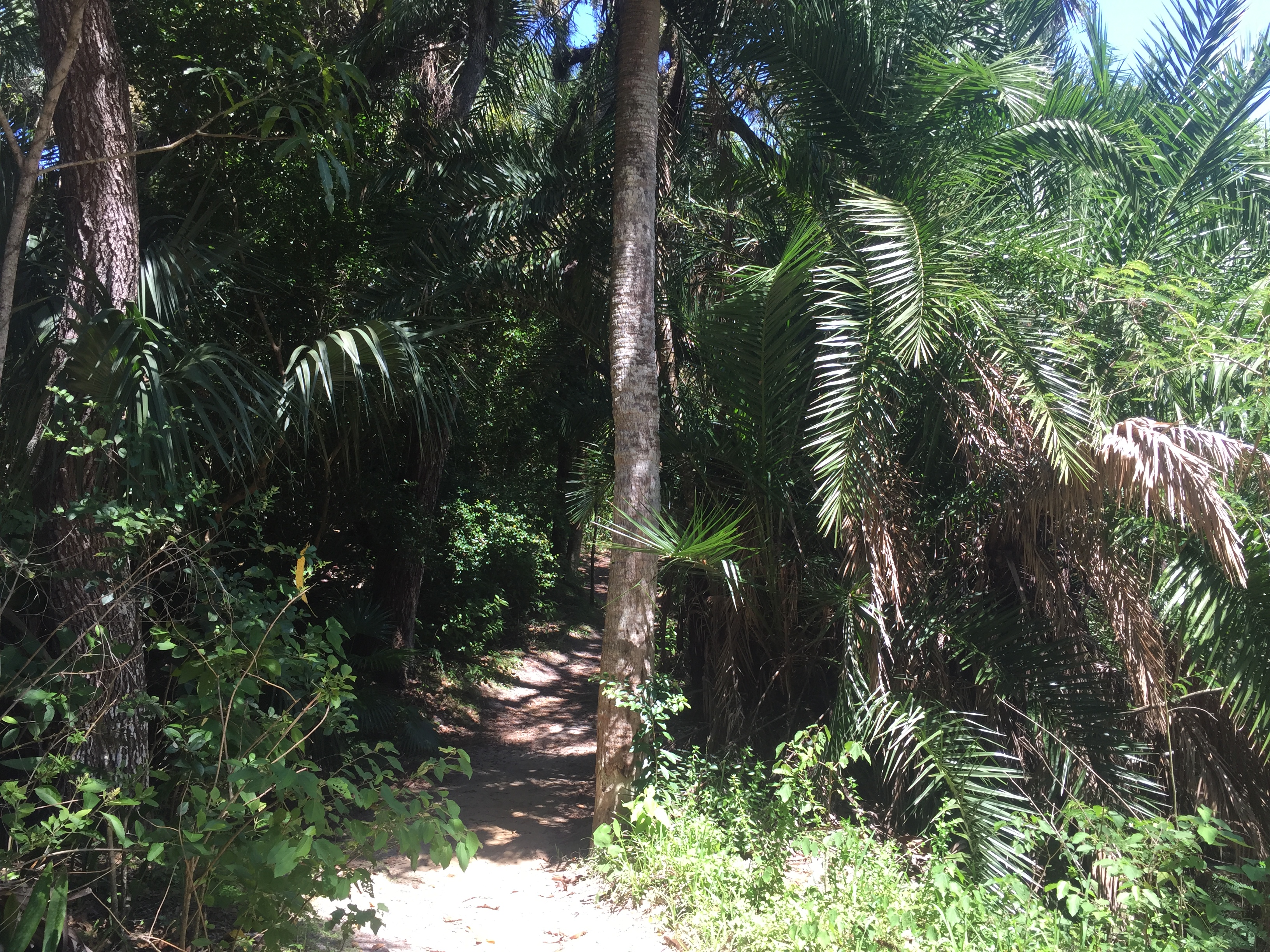
Koreshan State Park is home to the Koreshan Unity Settlement Historic District, which is listed on the National Register of Historic Places. Visitors can explore the settlement’s restored historic buildings and landscaped grounds, then discover the park’s more natural side along the Estero River. The park also offers nature trails, picnic areas, fishing, paddling and boating.
Admission is currently $5 per vehicle for two to eight people, $4 for a single-occupant vehicle, and $2 for pedestrians, bicyclists and additional passengers. The park is open daily from 8 a.m. until sunset.
Please note that the farmers market is no longer held inside Koreshan State Park. It has moved to Three Oaks Town Center. The park’s campground is also temporarily closed as of July 2026. Florida State Parks
THE FARMERS MARKET
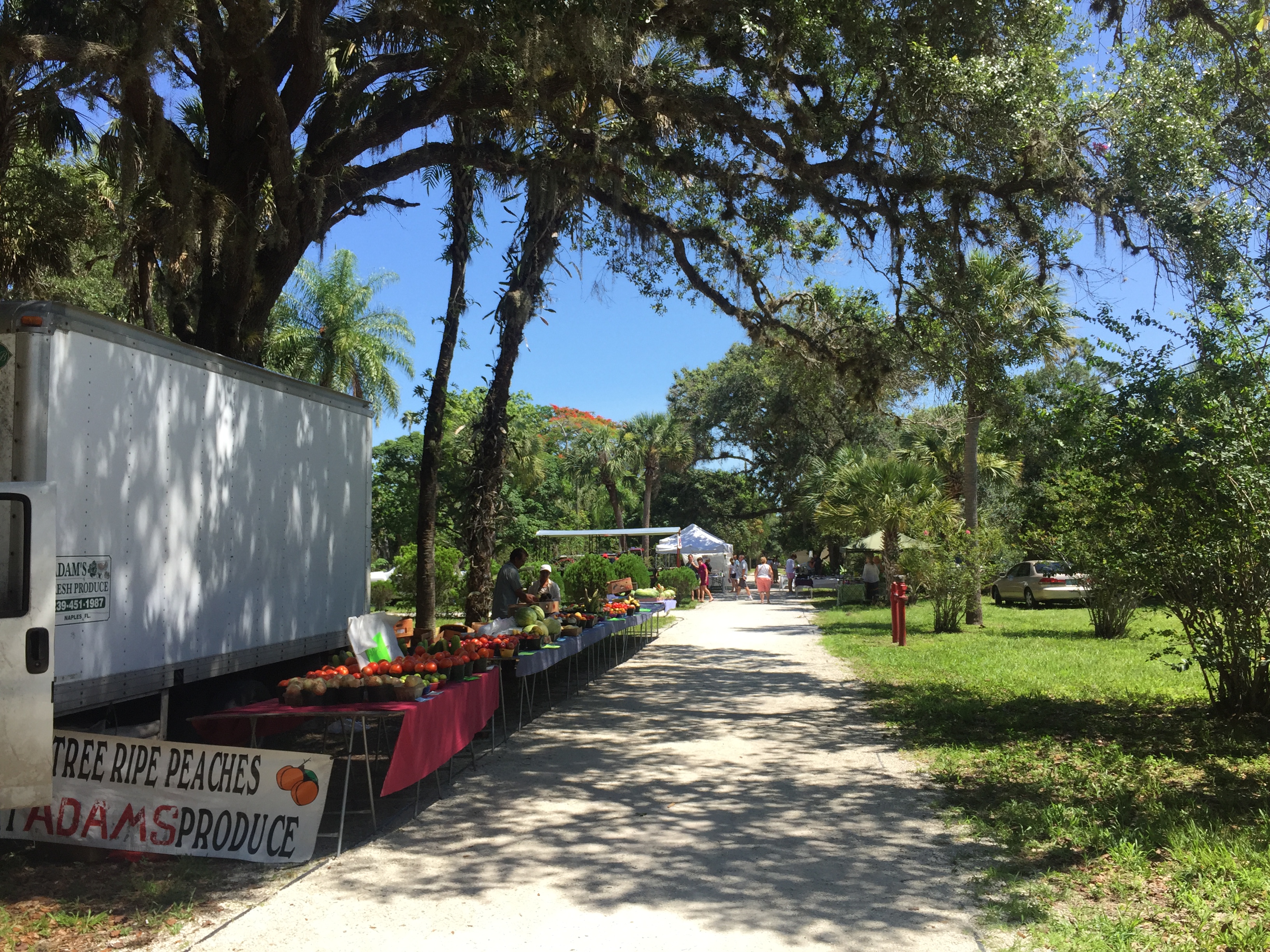
For anyone unfamiliar with the term, a farmers market is simply an outdoor market similar to those commonly found in France. They have become increasingly popular across the United States.
One important update: the former Koreshan farmers market is no longer held inside Koreshan State Park. It moved in 2023 and is now known as the Friends of Koreshan Sunday Market, located at Three Oaks Town Center, 18731 Three Oaks Parkway.
The market is open every Sunday from 8 a.m. to 1 p.m. The number of vendors may vary depending on the season, especially during Florida’s hot and humid summer months. You can usually find local honey, fresh food, guacamole and salsa, handmade jewelry, clothing, arts and crafts, and other locally made products. Current market information
THE HISTORIC SETTLEMENT
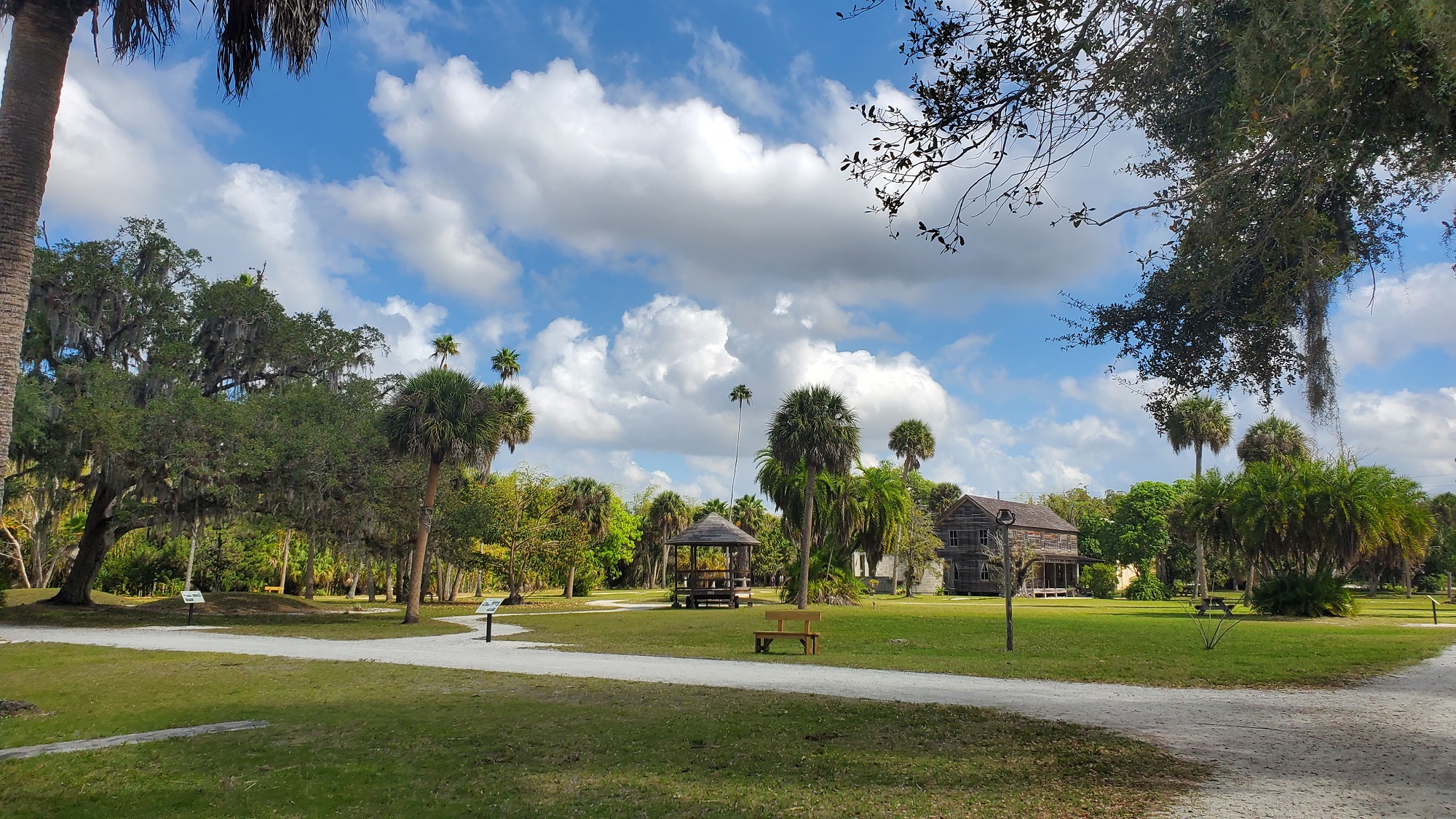
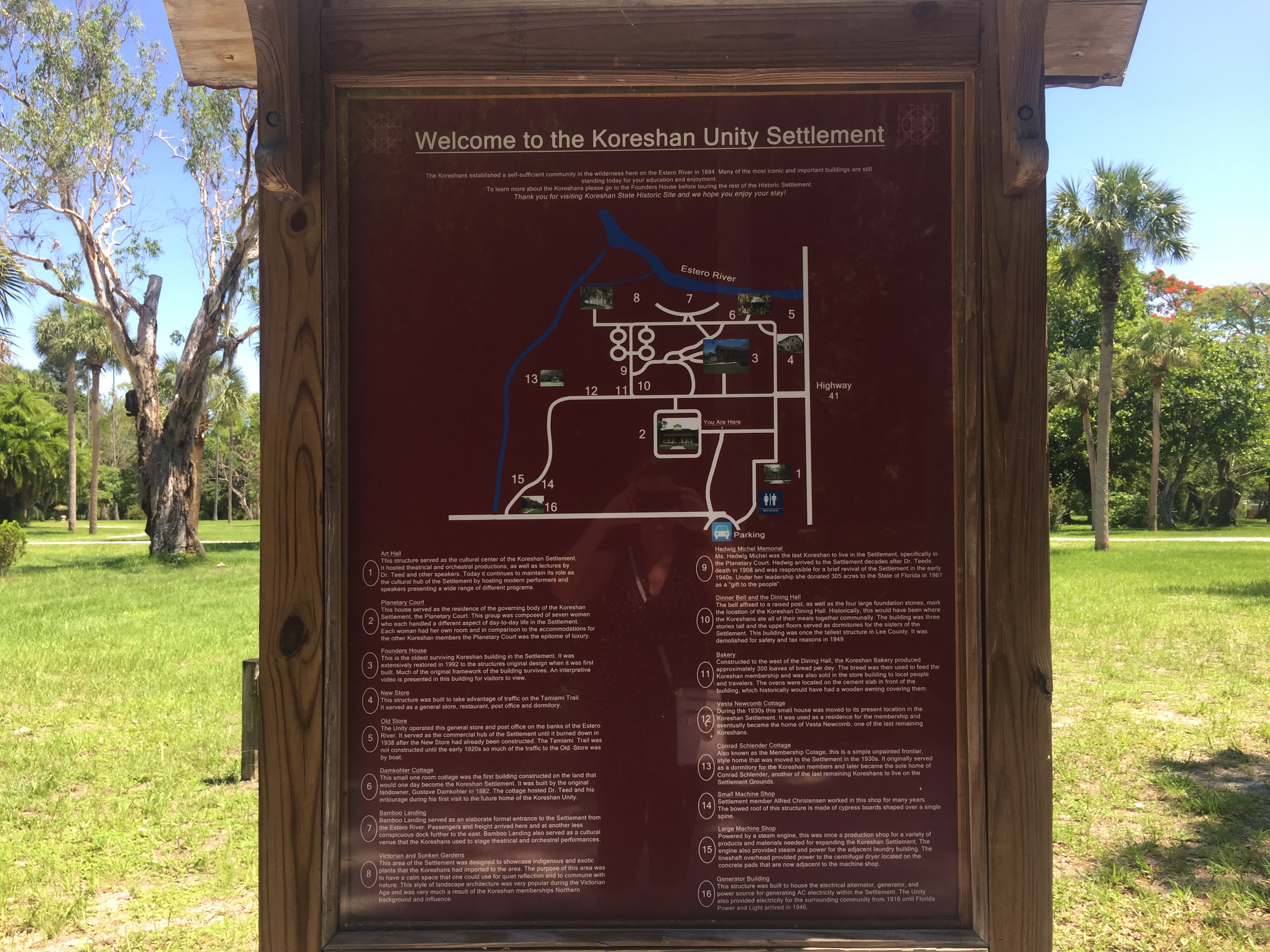
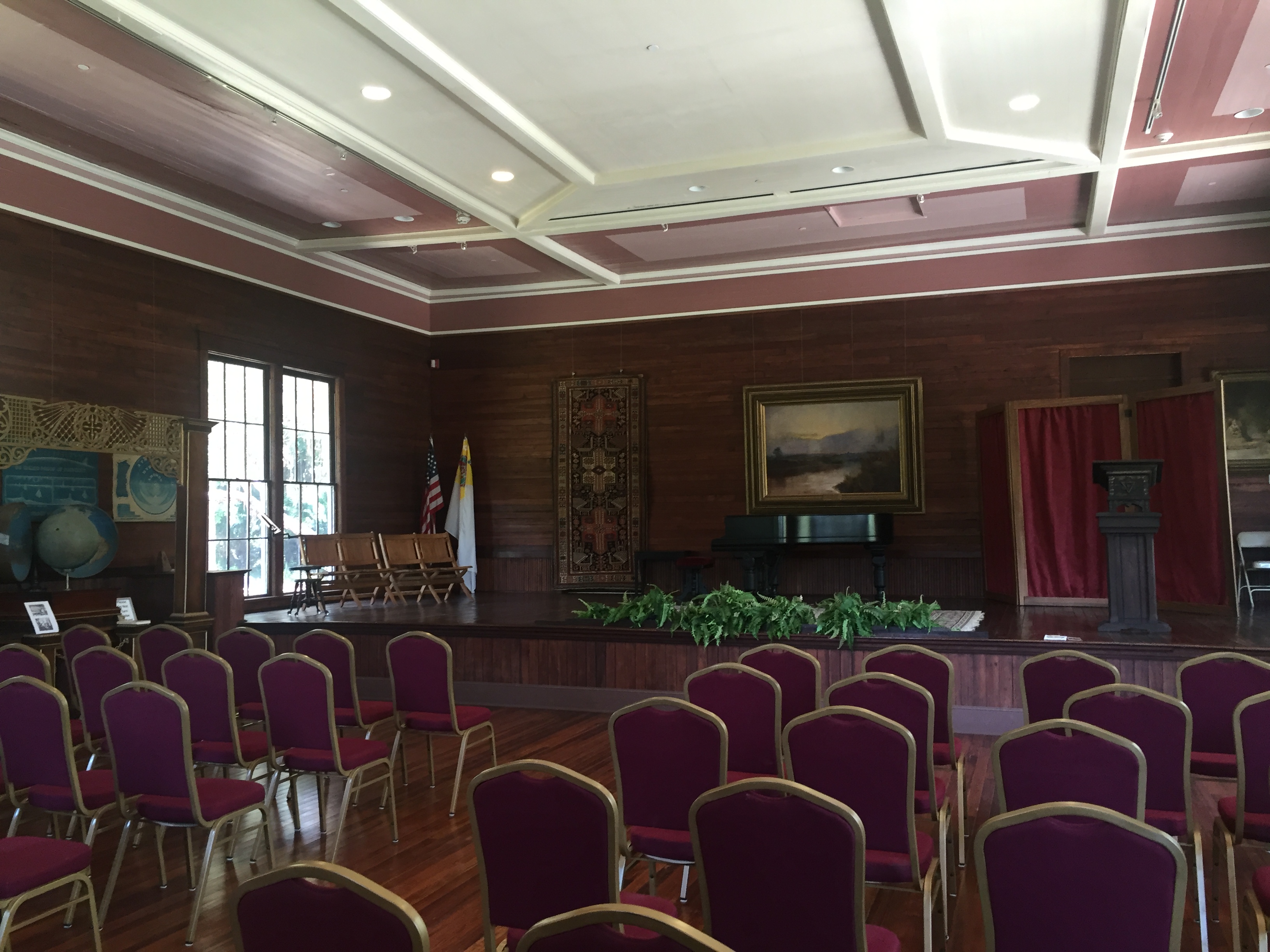
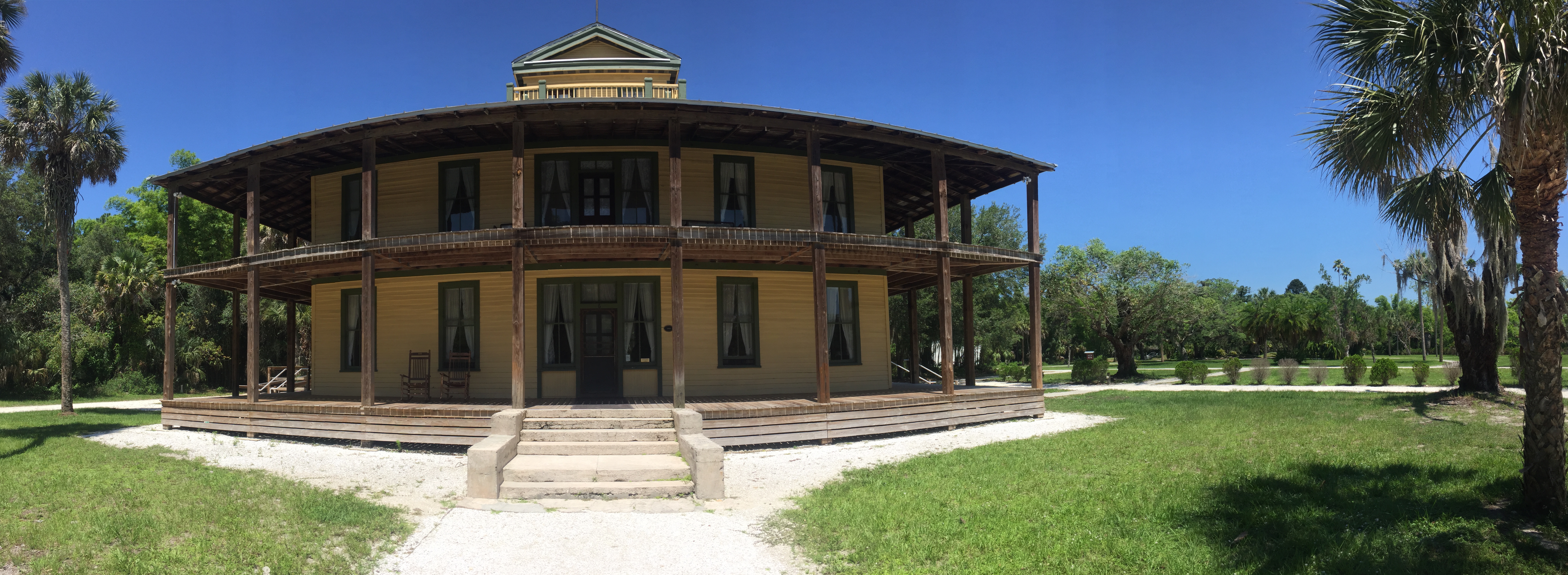
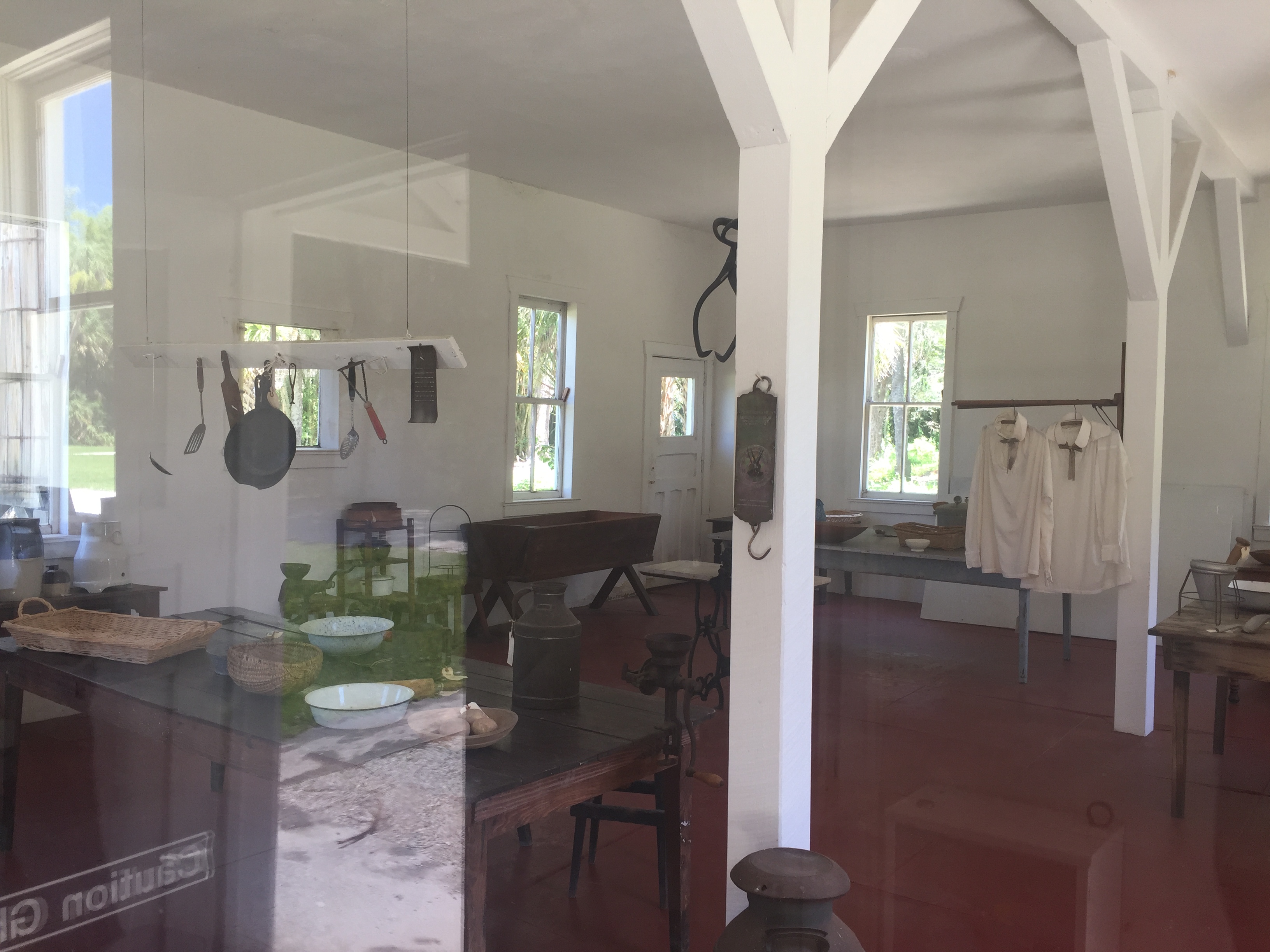
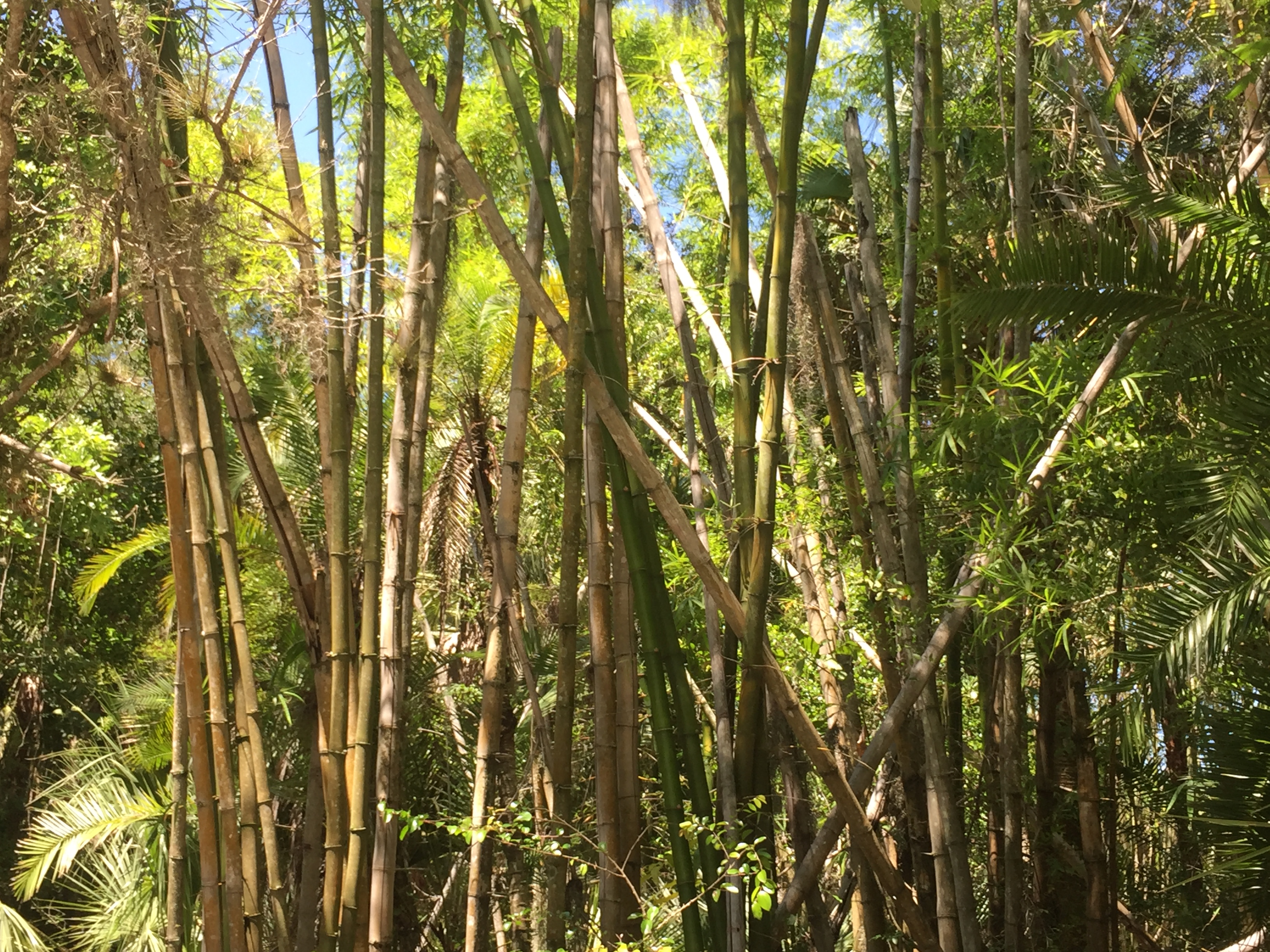
This section of Koreshan State Park takes visitors back to the late 19th and early 20th centuries. Surrounded by tropical vegetation, bamboo and enormous old trees, the historic district preserves 11 original buildings once used by the Koreshan Unity. You can explore the grounds at your own pace and discover former homes, the Art Hall, the Planetary Court, the bakery, the machine shop and other structures that formed the heart of this unusual community.
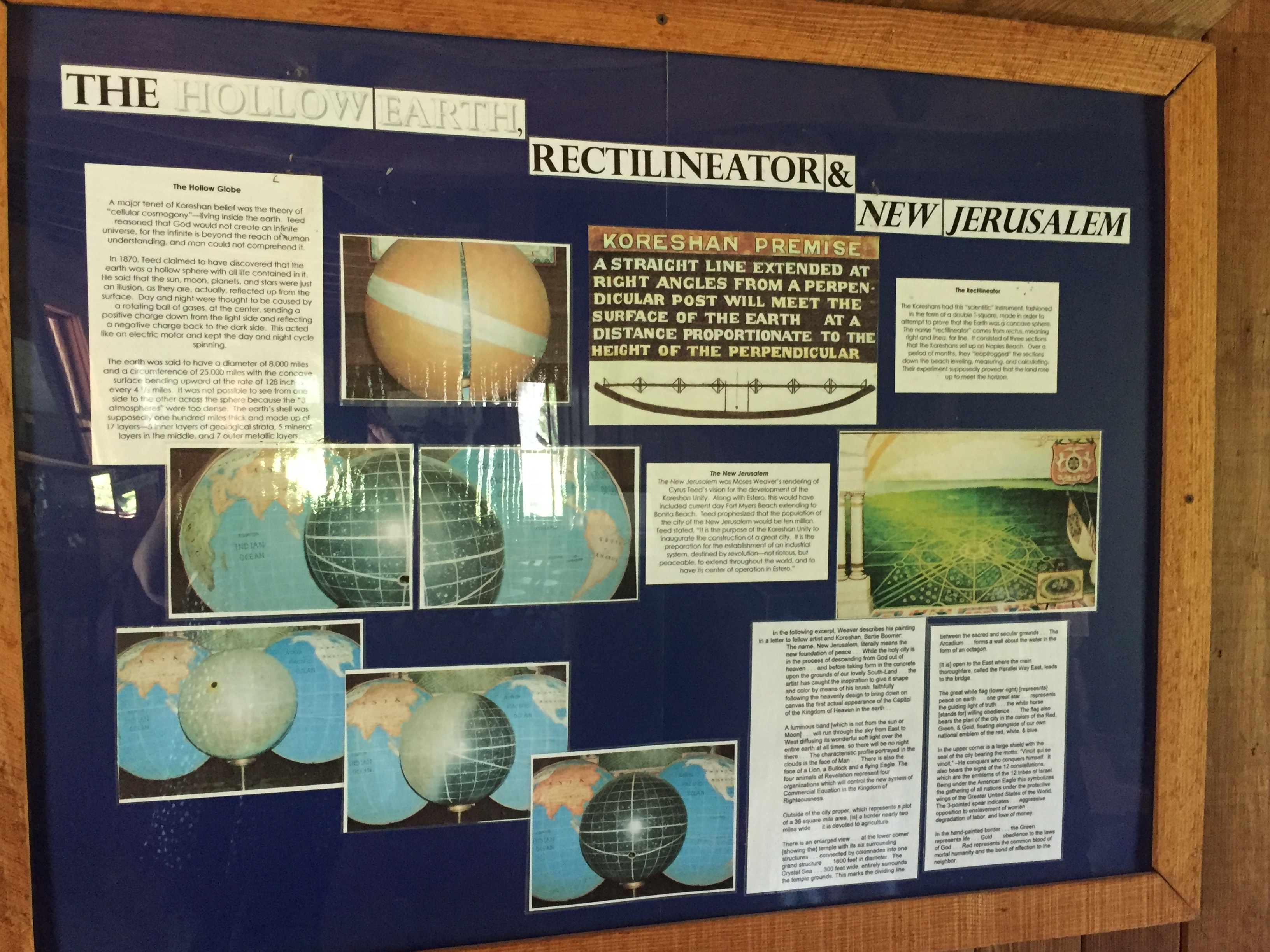
The Koreshan Unity was a religious and utopian community founded by Dr. Cyrus Reed Teed, who later adopted the name “Koresh.” The group arrived in Estero in the 1890s with the ambitious goal of creating a “New Jerusalem” based on communal living, shared labor and Teed’s religious and scientific teachings. At its height during the early 1900s, the settlement was home to more than 200 residents.
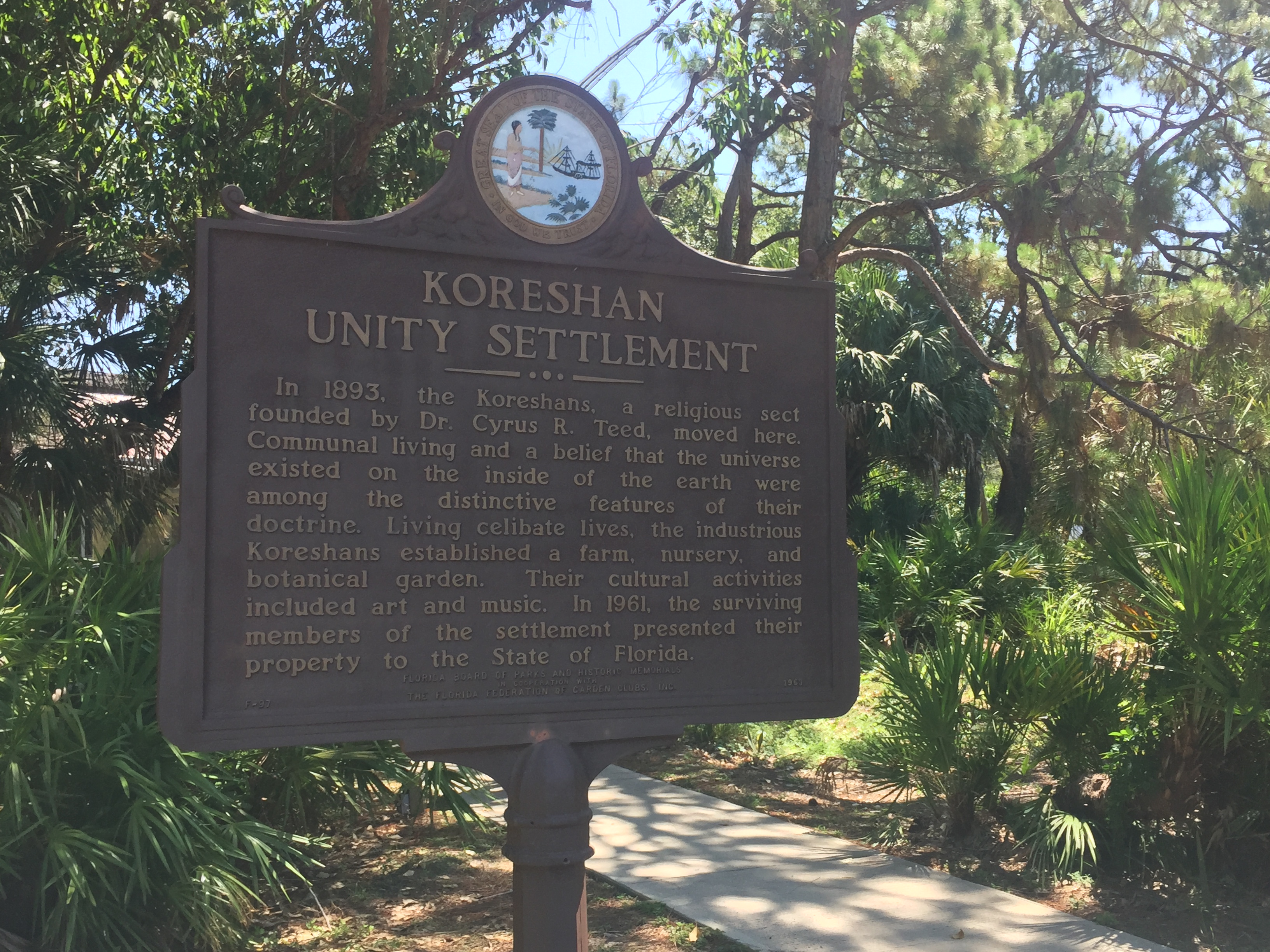
One of their most surprising beliefs was that humanity lived inside the Earth rather than on its outer surface. They believed the Earth was a hollow sphere containing the entire universe and even conducted experiments using a device known as the Rectilineator in an attempt to prove their theory.
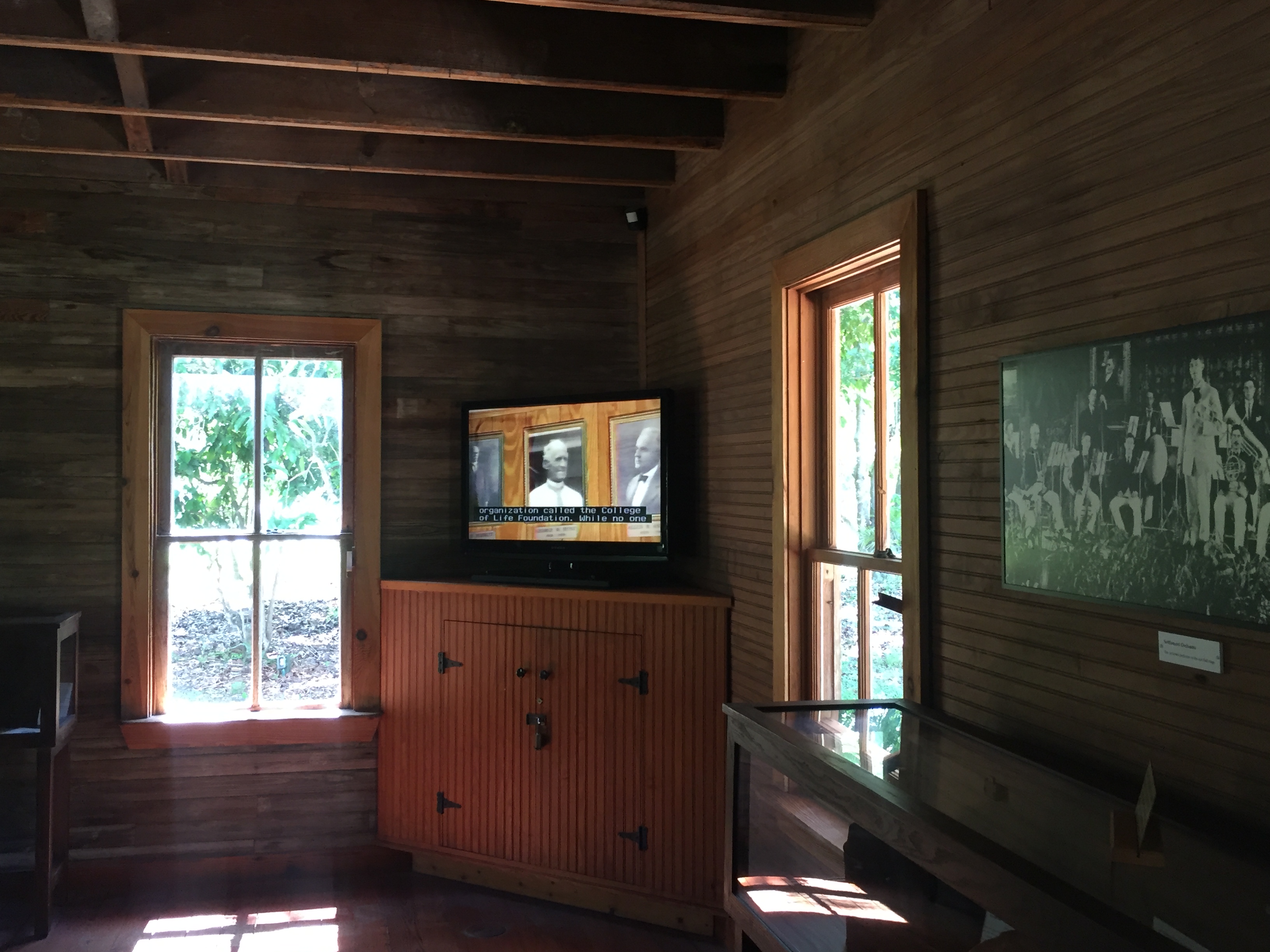
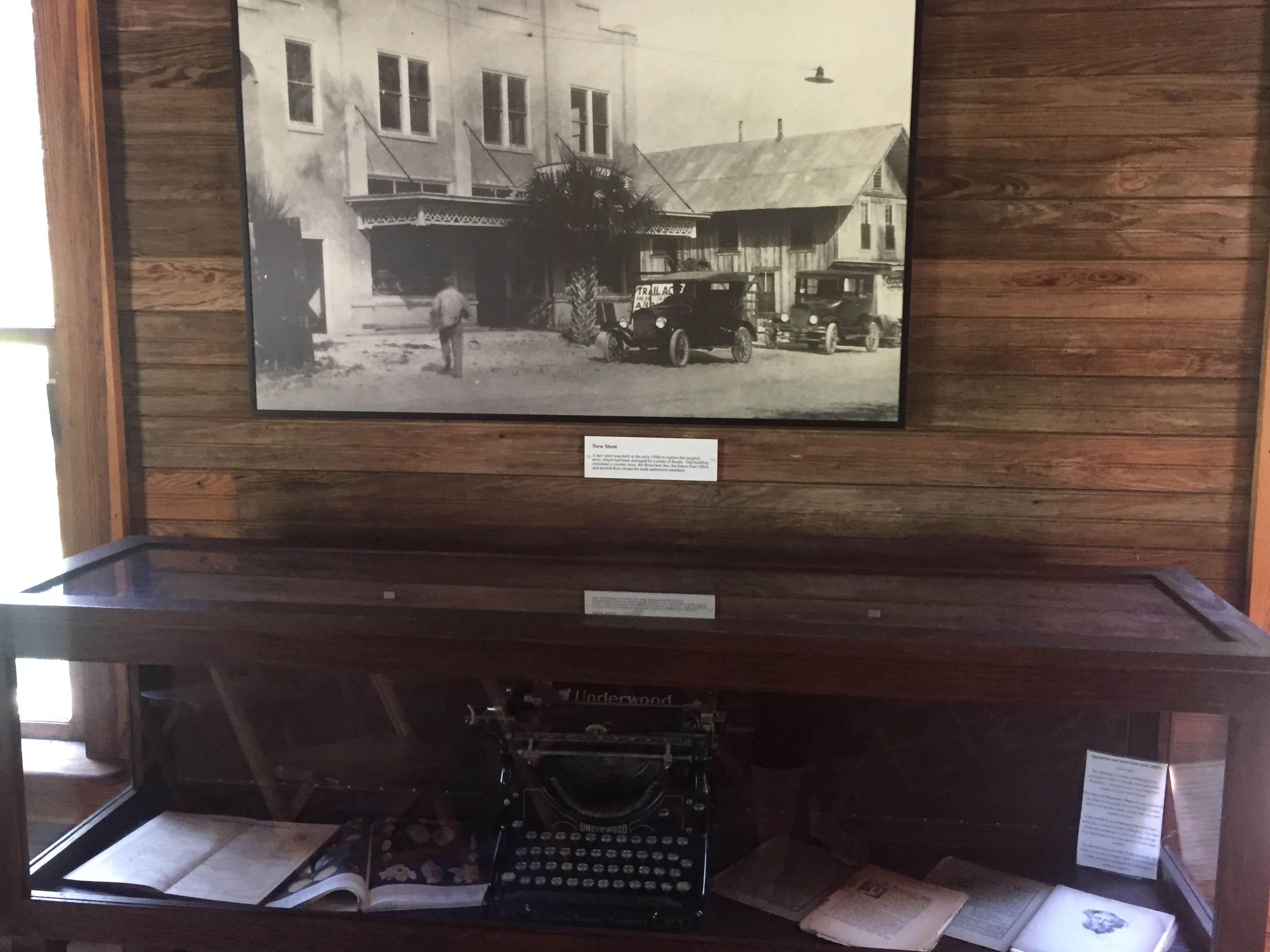
Despite their unconventional beliefs, the Koreshans created a remarkably organized and advanced settlement. They operated a school, bakery, general store, sawmill, printing house, machine shop and power plant. They produced their own electricity, published newspapers and books, organized concerts and plays, and cultivated the surrounding land. However, it would be inaccurate to say that they lived in complete isolation: the community also operated businesses and traded goods with people outside the settlement.
Following Cyrus Teed’s death in 1908, membership gradually declined. In 1961, the last four remaining members donated 305 acres to the State of Florida, allowing the property to be preserved as a historic site. The last Koreshan member, Hedwig Michel, continued to live there until her death in 1982.
Guided historic tours are offered during part of the year, although regularly scheduled tours are paused during the summer months. Before visiting, check the Friends of Koreshan State Park tour schedule for current dates and availability.
THE ESTERO RIVER: KAYAKING, BOATING AND FISHING
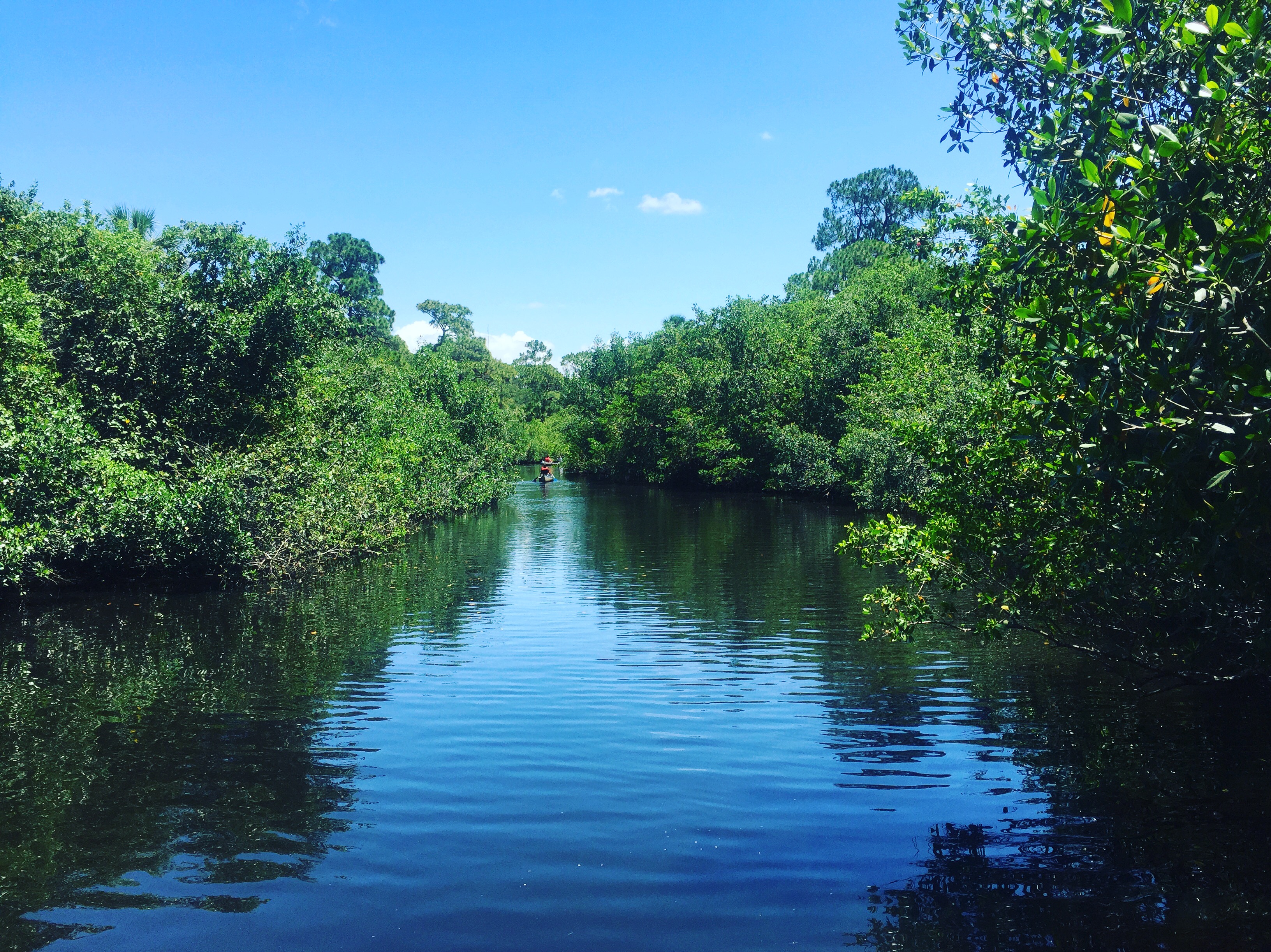
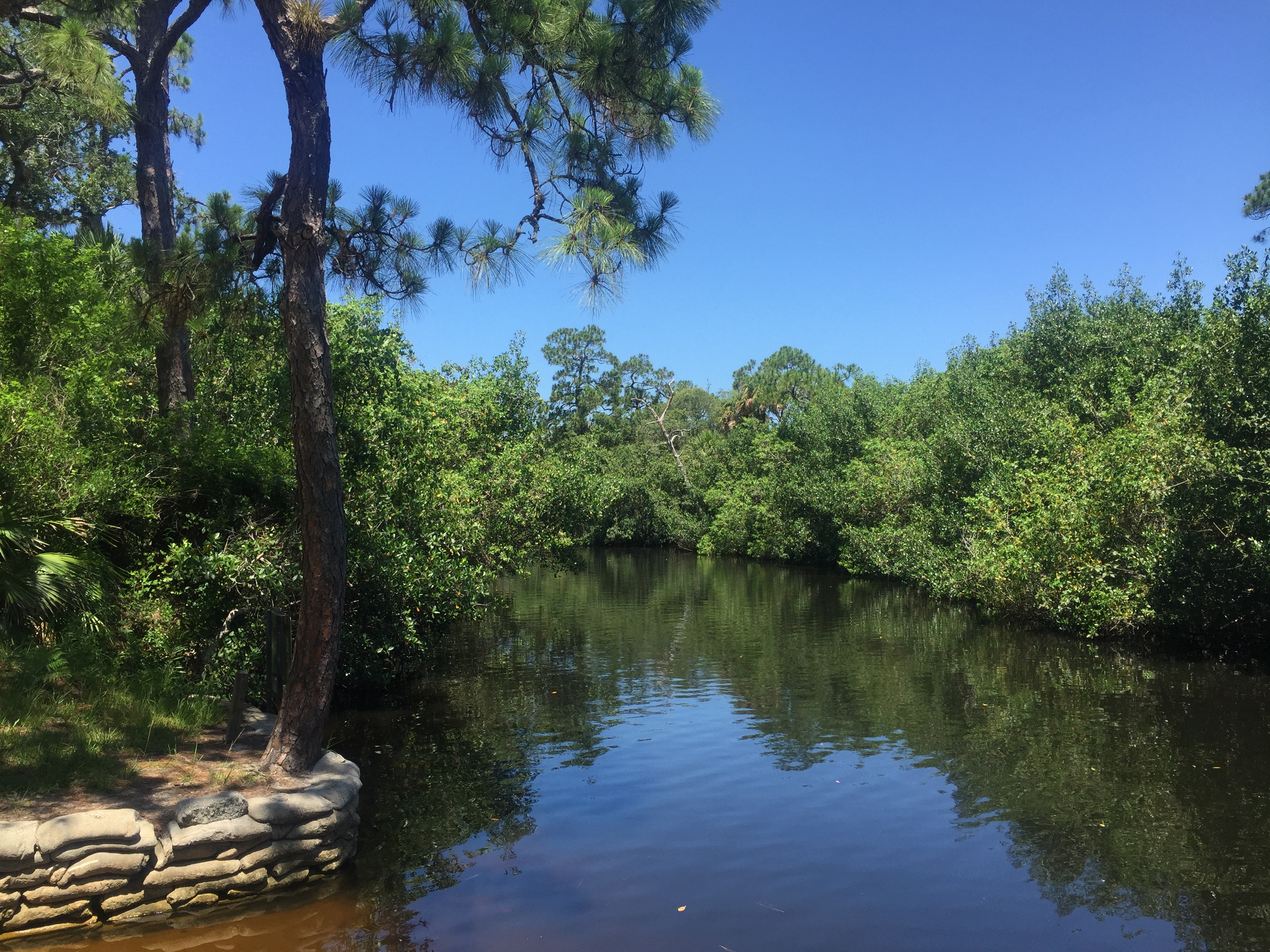
Koreshan State Park sits along the Estero River, a calm, scenic waterway surrounded by mangroves and lush subtropical vegetation. Exploring the river by kayak or canoe offers a completely different view of the park and is one of the best ways to experience its natural side.
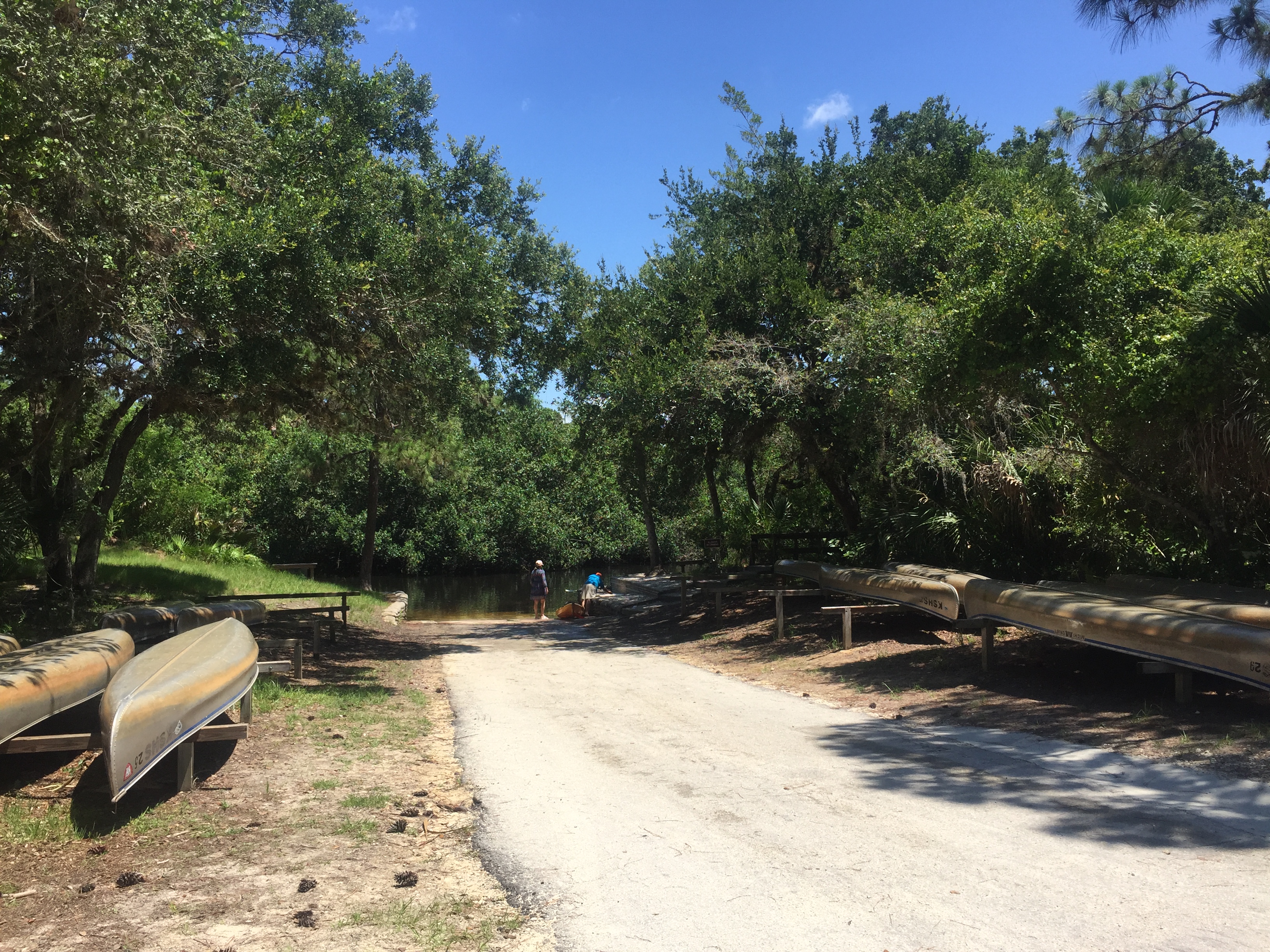
Visitors can launch their own kayak or canoe from the park. The river is generally calm near the launch, making this section accessible to recreational paddlers. However, it is a tidal, brackish waterway, so currents and water levels can vary with the tide and recent rainfall.
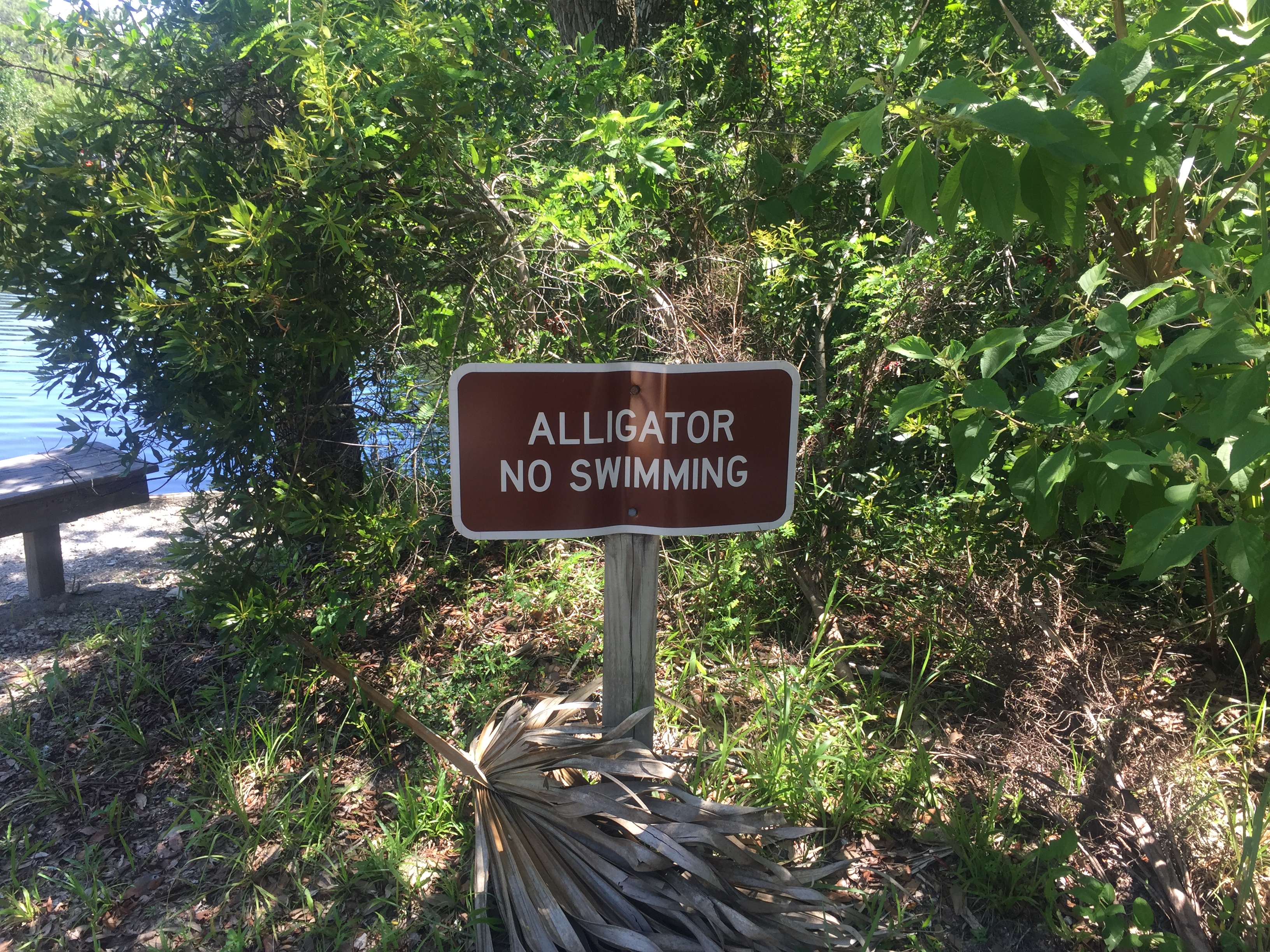
The Estero River flows west toward Estero Bay, approximately three miles from the park. Paddlers may see turtles, fish, wading birds and, occasionally, manatees, river otters or alligators. Wildlife sightings are possible but never guaranteed.
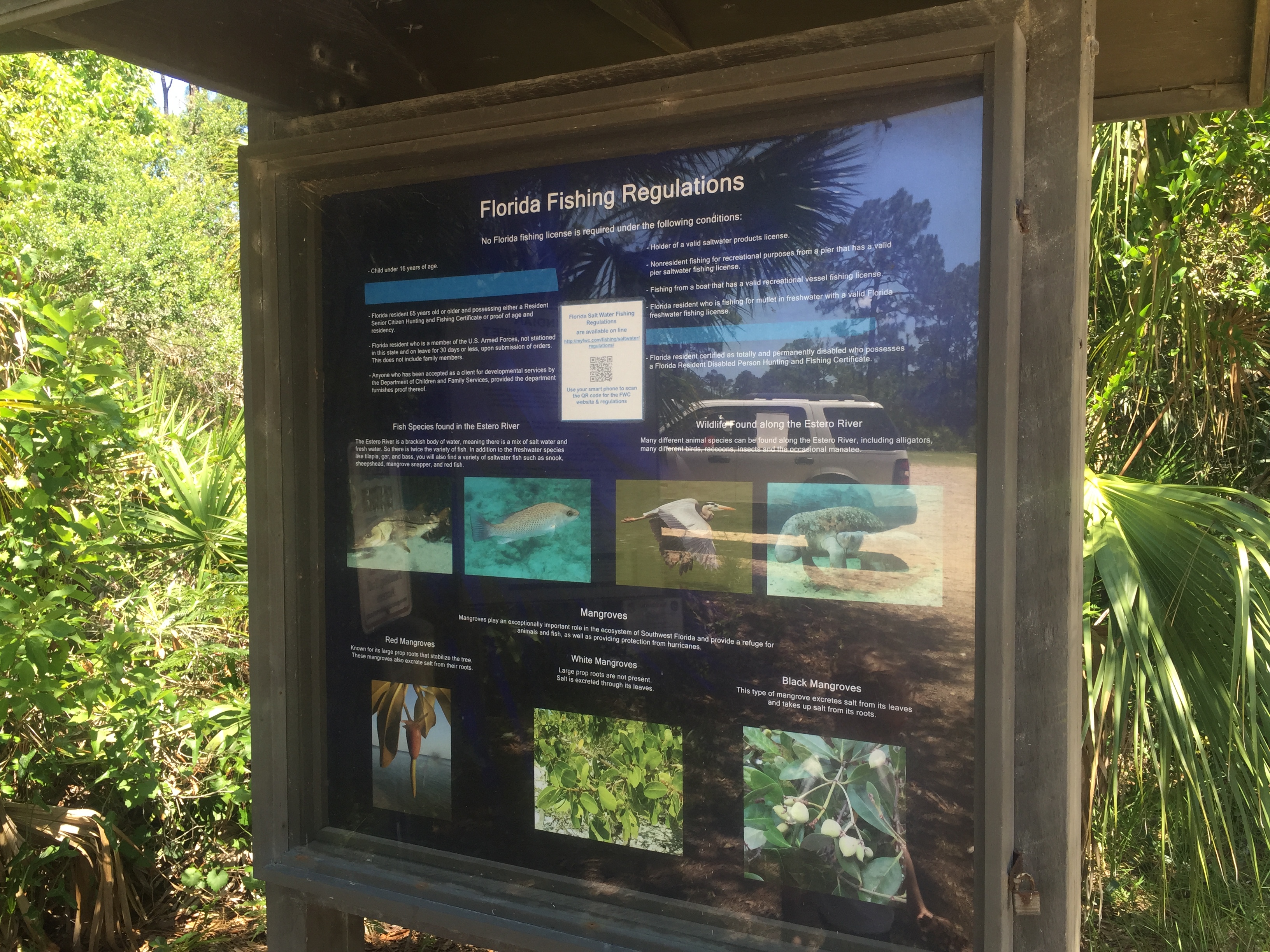
A boat ramp is also available for vessels up to 24 feet. The launch fee is currently $4 in addition to the regular park admission fee. Fishing is permitted along the river, where anglers may catch snook, mullet, redfish and, during high-water periods, freshwater bass. A Florida fishing license may be required.
As of July 2026, canoe and kayak rentals are not available inside the park, so you must bring your own equipment or rent it from an outside outfitter. Check the official park amenities page before visiting, as services and river conditions can change.