
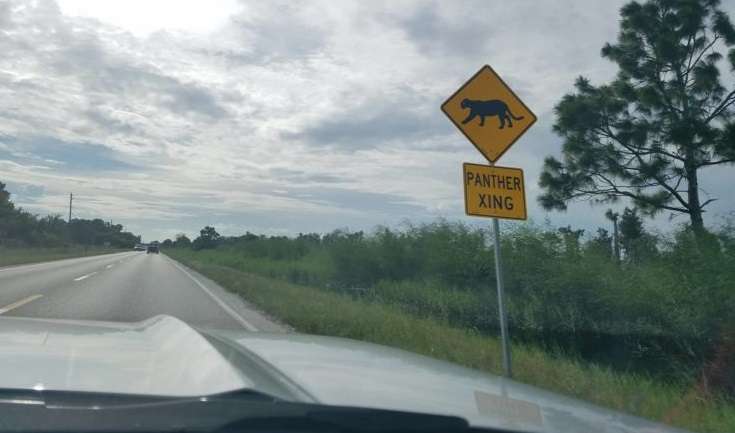
Florida is famous for its abundant wildlife and is home to many animals that are more or less friendly, even though they are, of course, entirely in their natural environment. It is important to know that most Floridians fully respect animals, whether they are harmless or potentially dangerous. They do not kill them casually; they simply learn how to live with them. After all, these animals were here long before humans, and in a sense we are all in their home.
Do not believe that these animals live only in the Everglades. If, like me, you are not especially fond of snakes or spiders, you gradually learn to live with them over time. Of course, even though I have crossed paths with several snakes, alligators, and bears since our arrival, whenever one of these creatures appears in front of me, I still jump just as much as before; in fact, TikTok Regarde I usually scream, and I definitely do not stay nearby. We also teach our children both to love seeing animals in their natural environment and to be careful with certain species. Our children have learned to see dolphins, deer, snakes, and alligators in everyday life. The key is simply to teach the limits, both for them and for the animals. That is something our expatriation to Florida has taught us.
Among Florida’s wildlife, here are six of the most dangerous animals you may encounter in Southwest Florida.
SNAKES
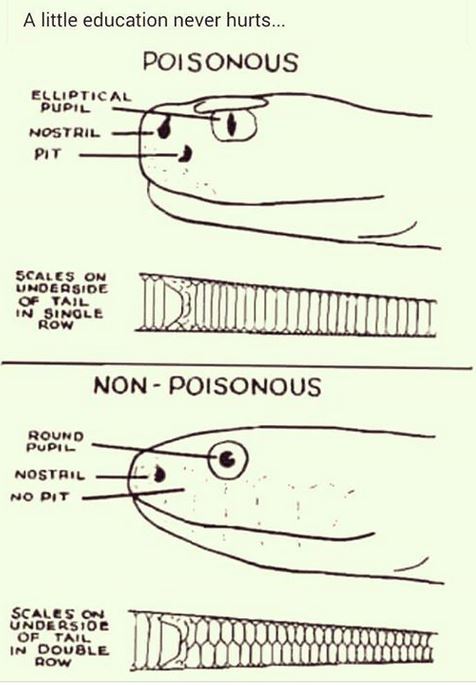
To say the least, there is a lot of choice here, with more than 50 species of snakes in Florida. Fortunately, out of these 50 species, only 6 are classified as venomous and dangerous to humans: Southern copperheads, cottonmouths (water moccasins), Eastern coral snakes, Eastern diamondbacks, timber rattlesnakes, and dusky pygmy rattlesnakes, which are among the most common venomous snakes in Florida.
None of these snakes are naturally aggressive toward humans, and most of them do not want to approach people at all. In general, they will flee if they hear you coming. The danger comes if they are surprised. That is when they may become frightened, then defensive, and possibly bite.
In the event of a bite, and when in doubt, call 911 or go to an urgent care center. Some bites can be very serious if you are not treated quickly. Here are a few specimens photographed by our neighbors.
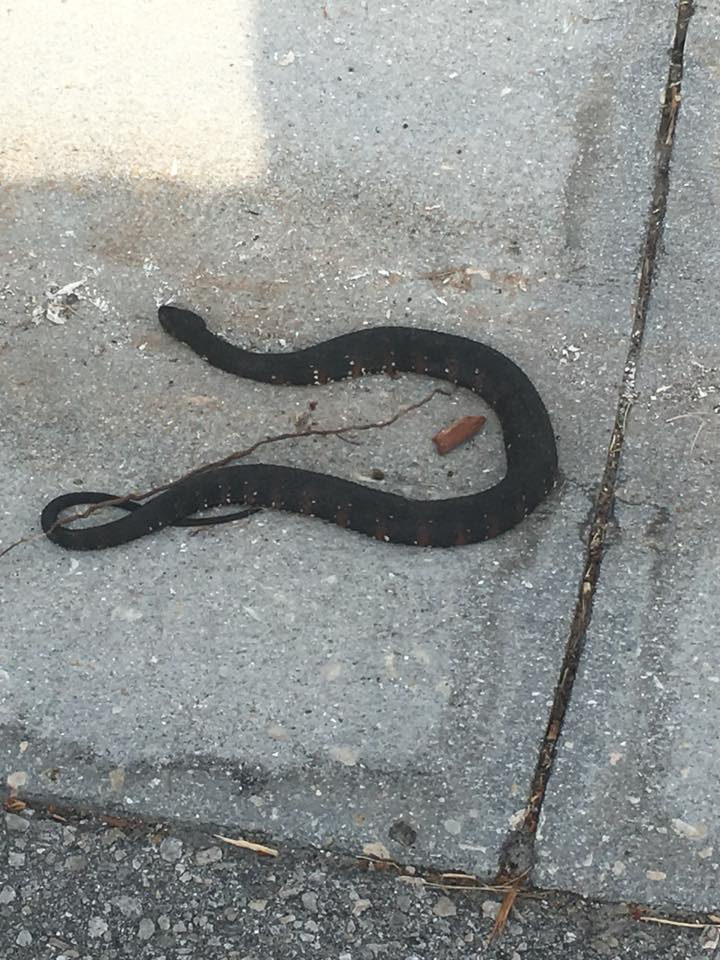
Water moccasin
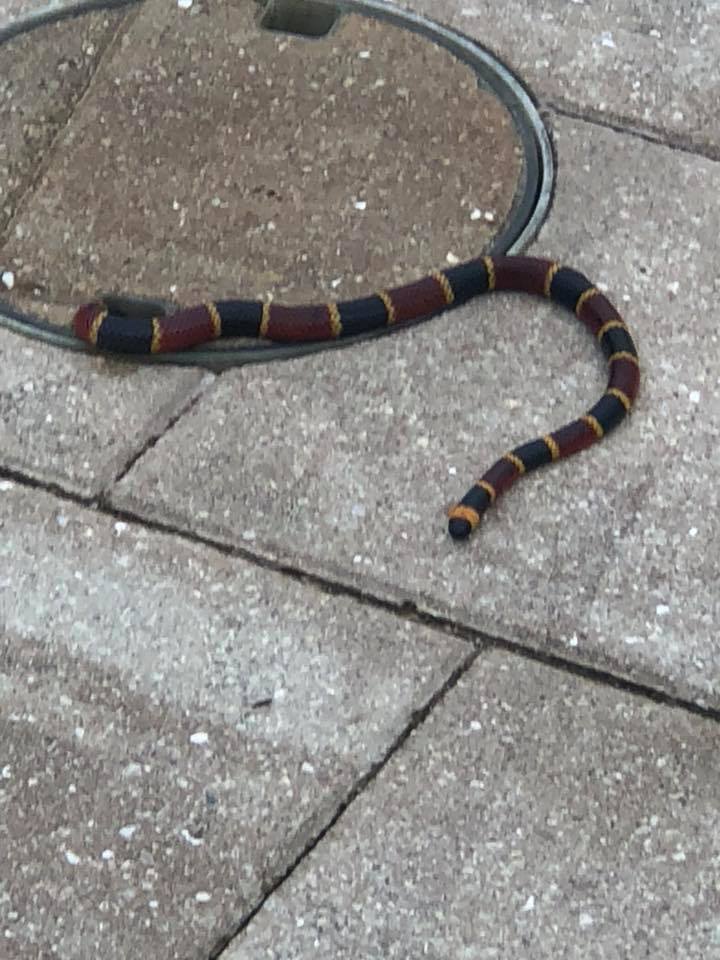 Eastern Coral Snake (Red touches yellow kills a fellow, red touches black venom lack, safe for Jack!)
So far, we have only seen “harmless” snakes ourselves, including one under our table on the terrace while we were eating lunch. What still surprises me is how fast they move through the grass. You really have to be careful when walking in dense Florida grass, even inside a residence, because you hardly see them when they are not moving.
SPIDERS
Florida is also home to two spiders that are considered dangerous: the brown recluse and the southern black widow. Here again, the idea is not to panic but simply to know what exists and to stay cautious in certain situations, especially around storage spaces, garages, wood piles, or dark corners.
ALLIGATORS AND OTHER WILDLIFE
Of course, when people think of dangerous animals in Florida, alligators are often the first image that comes to mind. They are indeed part of daily life in many areas of the state, especially near lakes, canals, ponds, and wetlands. The important thing is to respect the rules, never feed them, and keep your distance.
What expatriation in Florida has taught us is not to fear nature blindly, but to live with it intelligently. The wildlife is one of the things that makes this state so rich and so fascinating. You simply need to know what is around you, teach children good habits, and stay respectful of the environment.
Florida’s wildlife is one of the things that makes the state so fascinating, but it is always better to know what you may encounter and how to react.
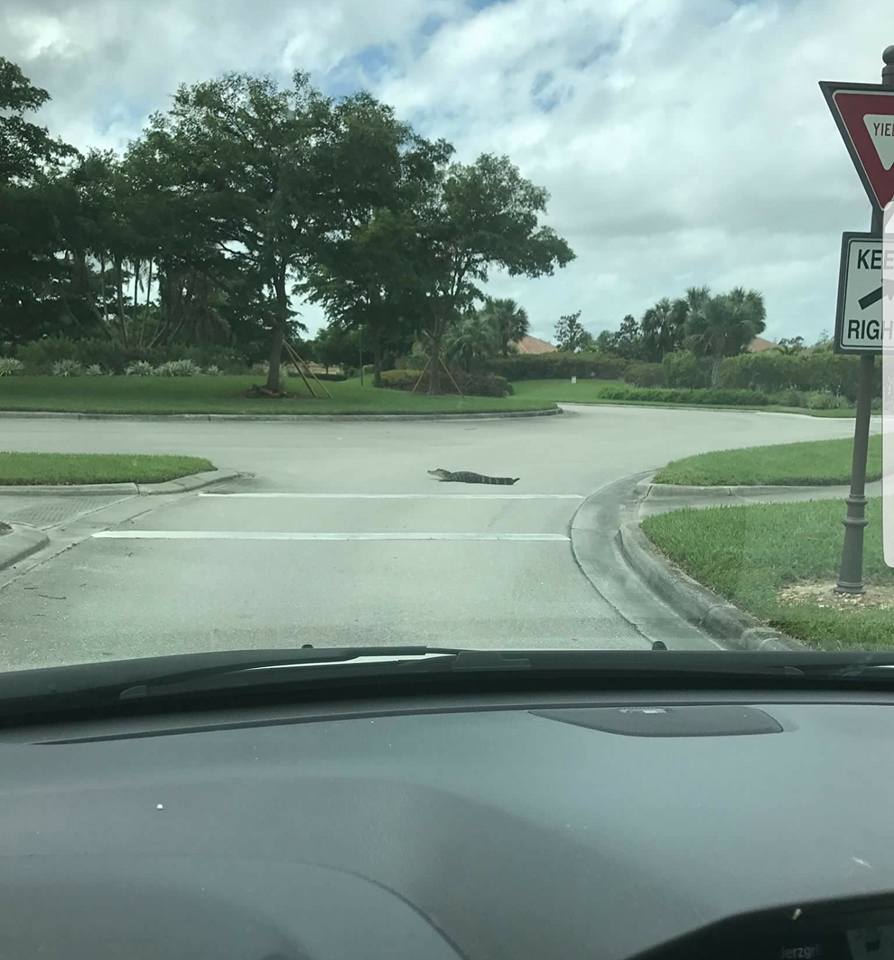
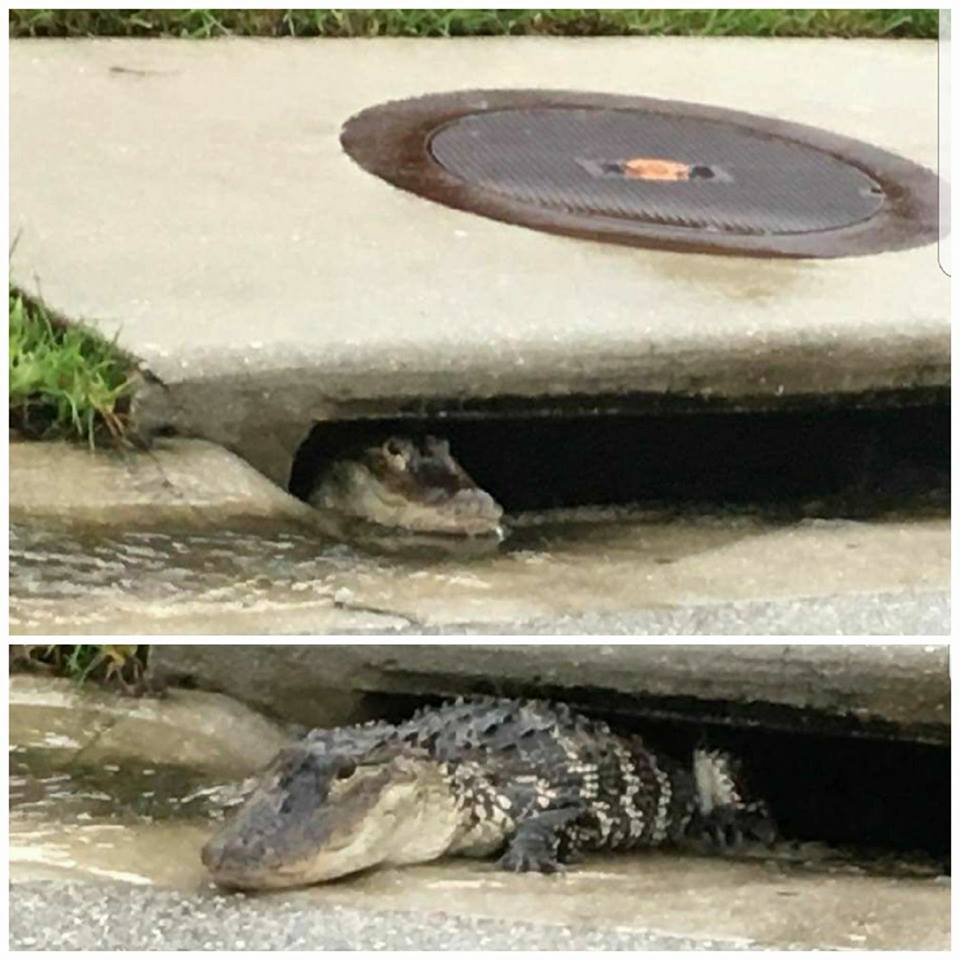
@floridaandbeyond14 Just another normal day in Florida 🐊 #florida #onlyinflorida #alligator #floridalife #fyp
♬ Hell No - Hell No
FLORIDA BLACK BEARS
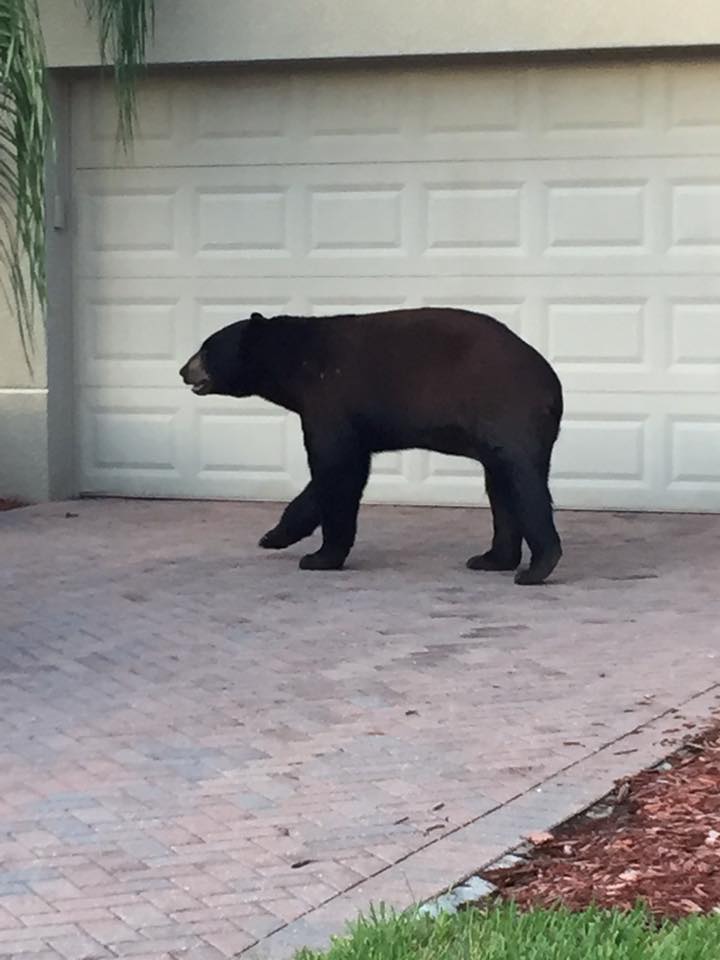
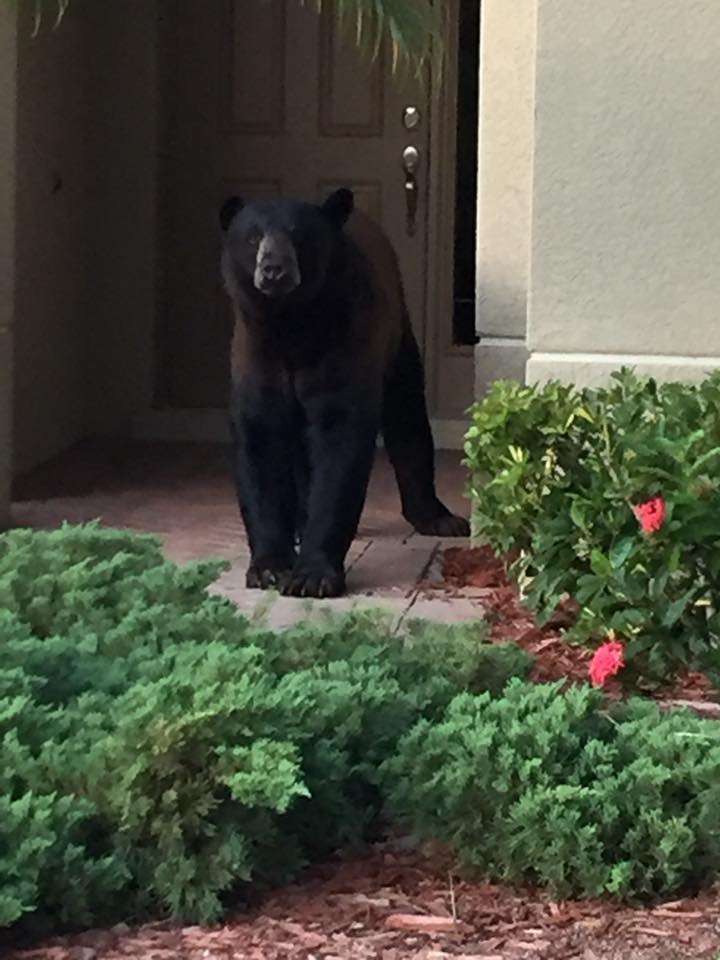
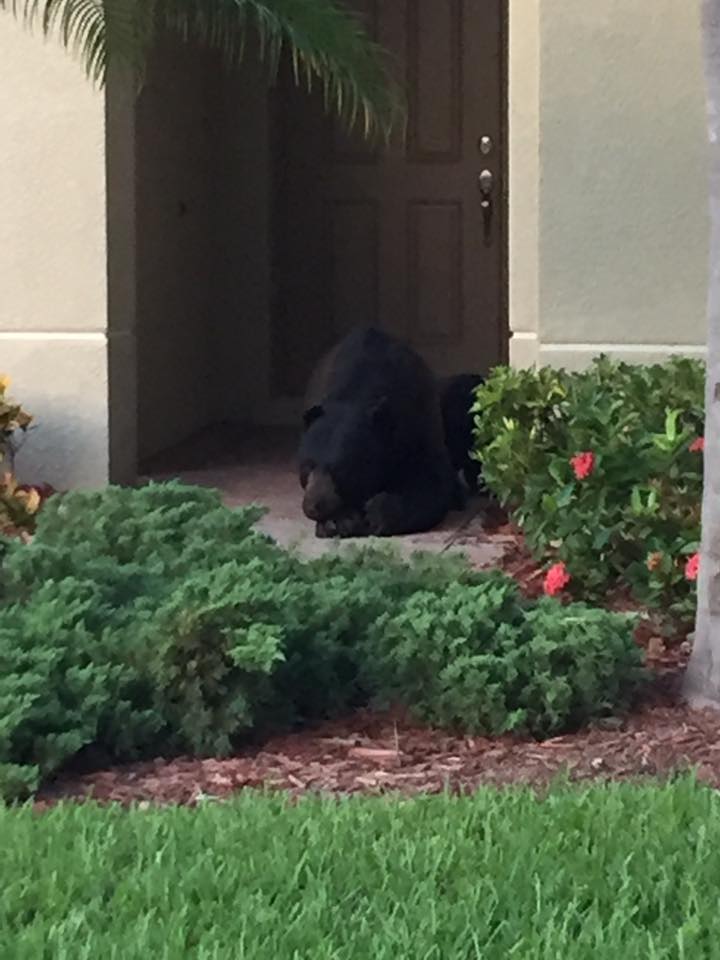
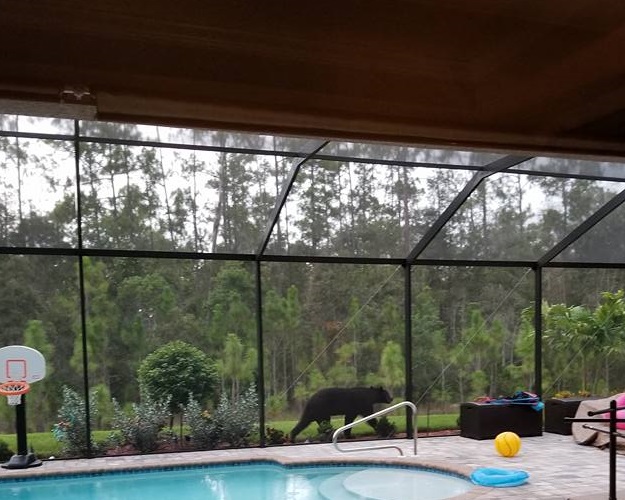
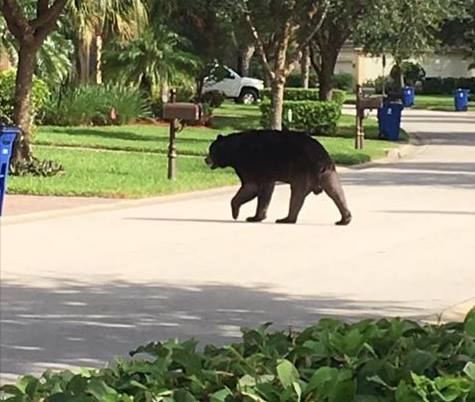
Florida black bears are the largest land mammals in the state. Contrary to popular belief, their diet consists mainly of plants: approximately 80% vegetation—including fruits, seeds, and berries—15% insects such as ants and termites, and only 5% animal matter, including opossums and armadillos.
Black bears live in our community, and we have encountered them several times. They often wander past the houses looking for food.
FLORIDA PANTHERS
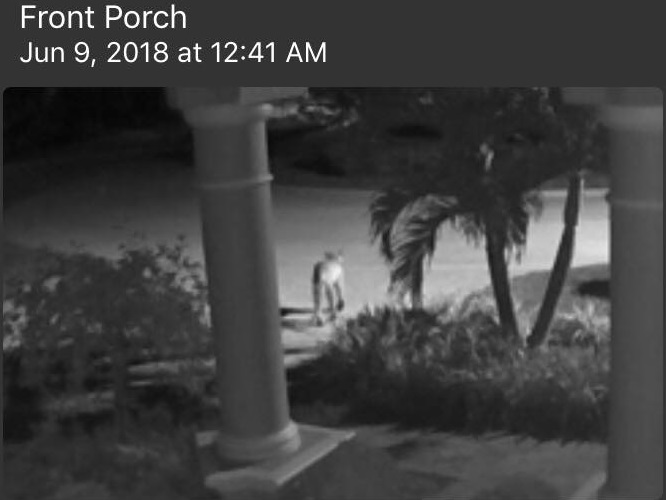
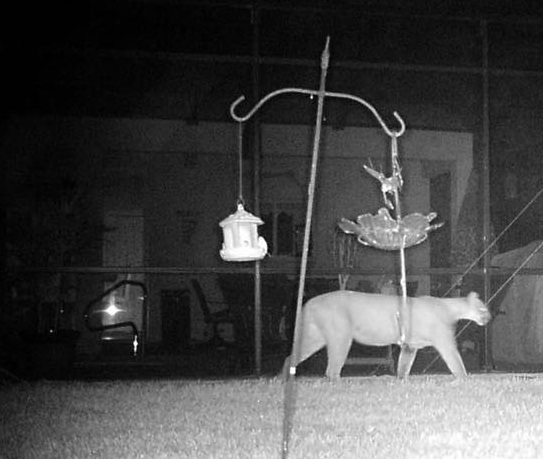
The Florida panther is a subspecies of the cougar and was designated Florida’s official state animal in 1982. Its main threats are humans and habitat loss. When European settlement expanded across Florida, deforestation and development caused the panther population to decline dramatically. Today, it remains one of the most endangered mammals in the United States, with only a small population left in the wild.
Florida panthers have powerful hind legs that allow them to jump more than 13 feet vertically and up to 45 feet horizontally. Although they are highly territorial wild animals, no documented Florida panther attack on a person has ever been reported. Panthers also live near our community, but because they are primarily active at night, sightings are extremely rare.
FIRE ANTS
Fire ants are venomous, and their stings can be irritating and extremely painful. Their venom usually causes a red, intensely itchy bump, which may become infected if scratched. A single sting is not usually the main concern. The real danger occurs when an entire colony feels threatened, and multiple ants attack at once. Some people may also experience a severe allergic reaction.
Unfortunately, I have experienced fire ant stings myself, and they are extremely unpleasant. Thankfully, I did not have an allergic reaction, but the pain lasted for several days.
OTHER ANIMALS YOU MAY ENCOUNTER IN FLORIDA
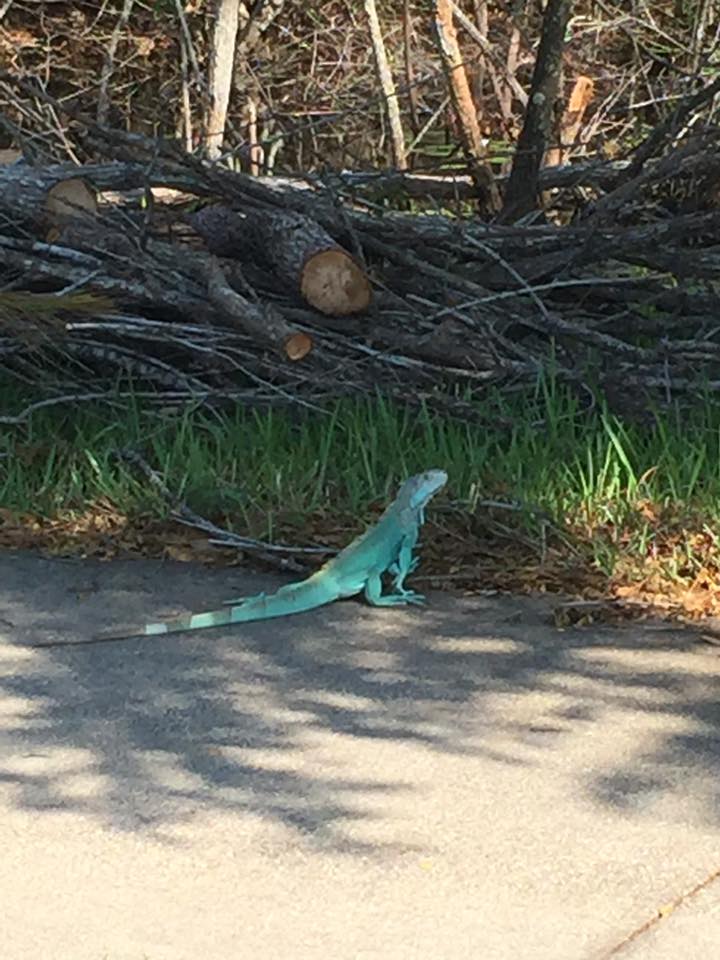
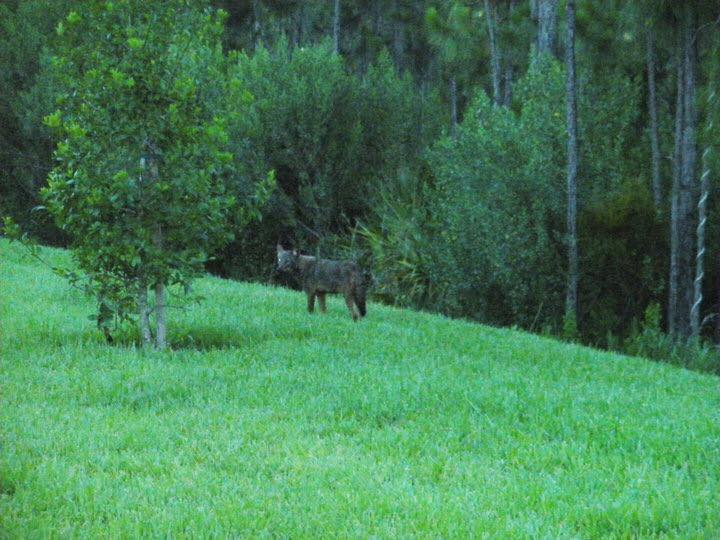
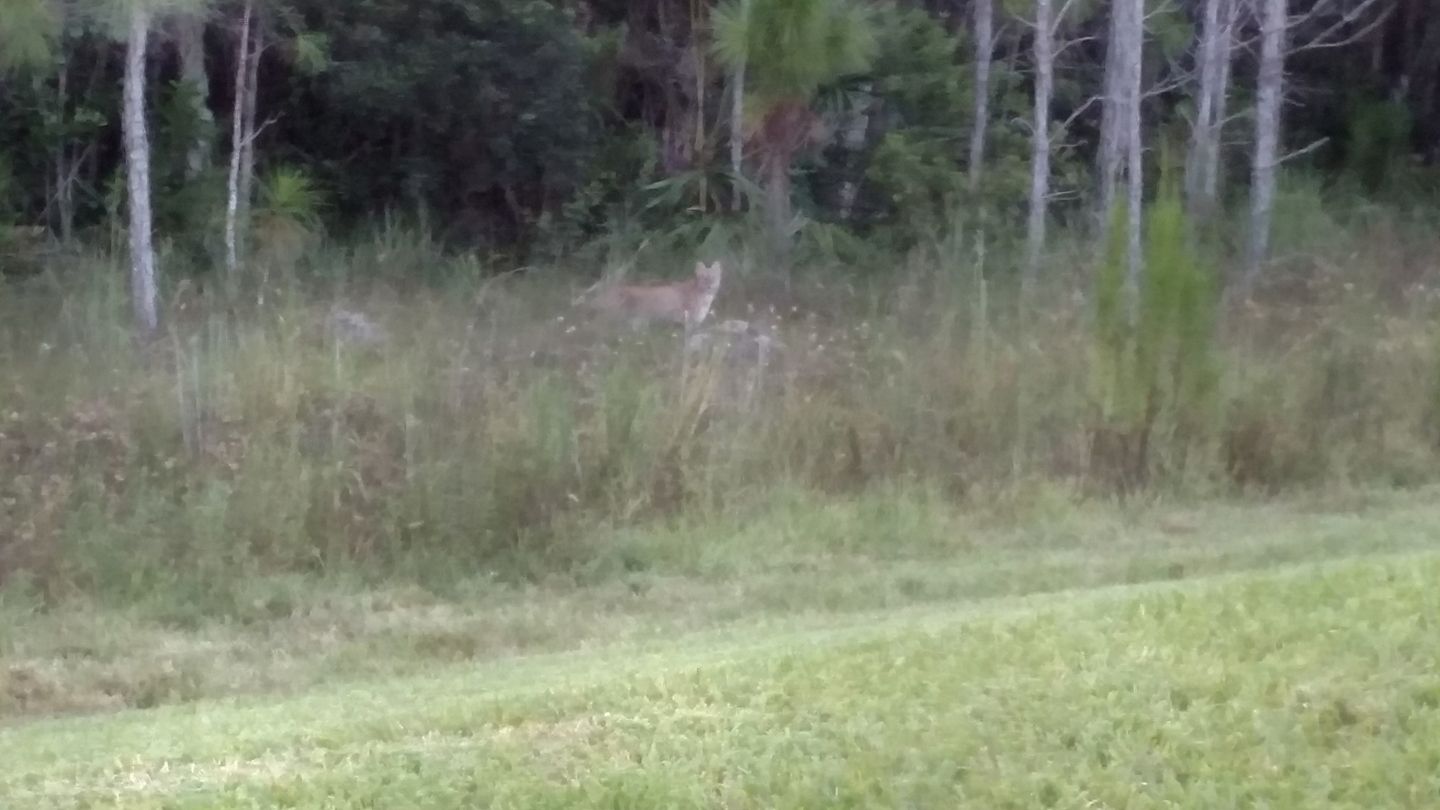
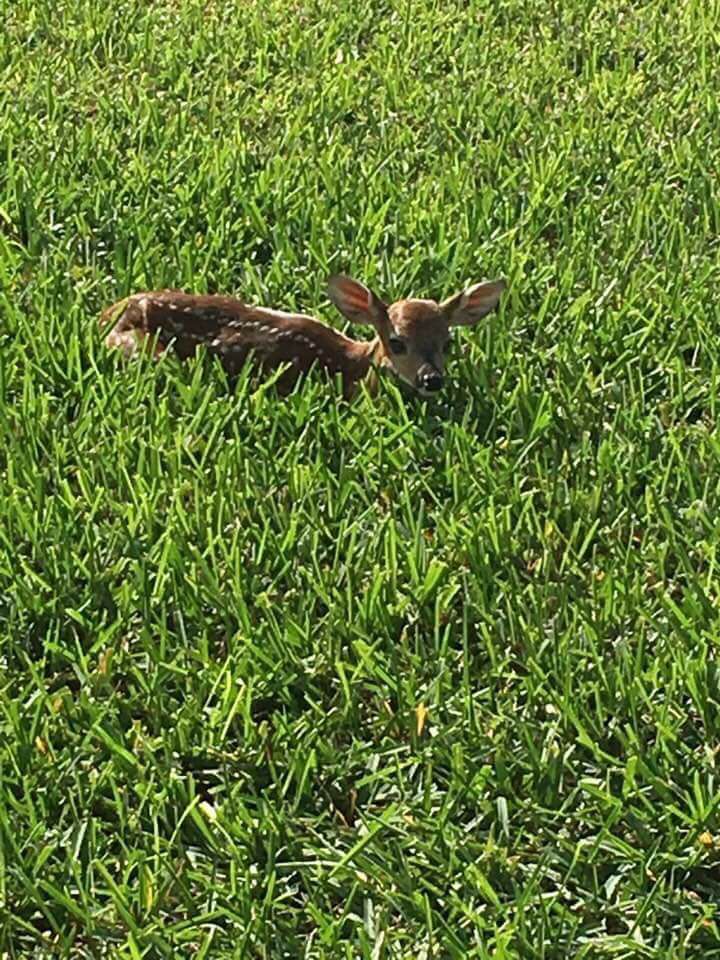
Living in Florida also means learning to share the environment with wildlife that is both fascinating and sometimes intimidating. Snakes, alligators, bears, panthers, spiders, and fire ants are not only found deep in the Everglades. Some may occasionally appear in residential communities, backyards, and even on patios!
However, there is no reason to live in fear. Most wild animals prefer to avoid people, and dangerous encounters remain rare when a few basic precautions are followed: keep a safe distance, never feed wildlife, supervise children and pets, and stay alert near bodies of water or in tall grass.
Even after several years in Florida, I still jump whenever I unexpectedly encounter one of these animals, and I probably scream just as loudly as I did in the beginning! But living so close to nature is also part of what makes Florida such a unique place. It has taught us, and our children, to observe wildlife with wonder while always respecting its space. After all, this was their home long before it became ours.