

Buying a car is often one of the first major challenges you face after moving to Florida. Outside a few central neighborhoods in cities such as Miami, Orlando, or Tampa, everyday life is largely organized around driving. Grocery stores, schools, medical offices, workplaces, and attractions can be several miles apart, while public transportation remains limited in many communities.
The difficulty is not simply finding a vehicle. Newcomers must also understand unfamiliar terms, verify the car’s history, obtain insurance, transfer the title, register the vehicle, and calculate costs that are not always included in the advertised price. The process is perfectly manageable, but it becomes much safer when you understand each step before handing over any money.
This guide focuses specifically on Florida. Procedures, insurance requirements, taxes, and registration rules are different in every state, so advice found online about California, Texas, or New York may not apply here.
🚗 Compare rental car prices and book the best deal here.
Why a car quickly becomes necessary
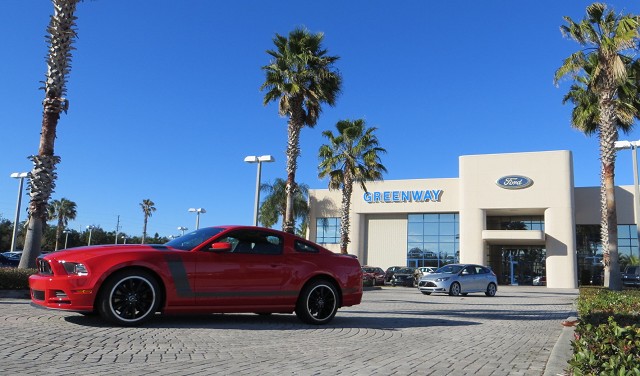
In many American areas, especially outside major downtown districts, daily life revolves around the car. Distances are longer, public transportation may be limited, and everyday activities such as shopping, school runs, administrative tasks, or medical appointments are much easier with your own vehicle.
Understanding the title and registration
Two documents play a central role when purchasing a vehicle in Florida: the title and the registration.
The title is the legal document that identifies the owner of the vehicle. When you buy a car, ownership must be transferred from the seller to you. Before completing a private sale, check that the seller’s name matches the name printed on the title. If the person selling the vehicle is not the legal owner, or if the title contains unexplained alterations, do not complete the transaction until the situation has been clarified.
The registration gives you the legal right to operate the vehicle on public roads and is connected to the license plate. A title proves ownership, while a registration allows the vehicle to be driven legally. They are related, but they are not interchangeable.
In Florida, these matters are overseen by the Florida Department of Highway Safety and Motor Vehicles, commonly known as the FLHSMV. However, many title and registration transactions are completed through a county tax collector or an authorized license plate agency rather than through an office simply called the DMV.
Buying from a dealer or a private seller
Buying from a licensed dealership is generally more straightforward because the dealer usually handles the title application, registration, sales tax, and temporary license plate. This convenience has a price, however. The amount advertised online may be very different from the final amount once dealer fees, documentation charges, optional products, taxes, and registration expenses have been added.
Before discussing monthly payments, ask for the complete “out-the-door price.” This is the total amount you will actually pay after every required fee and tax has been included. Focusing only on the monthly payment makes it easier for a dealership to extend the loan term, increase the interest cost, or include products you did not intend to purchase.
A private sale may cost less, but the buyer and seller have more responsibility. The title must be completed correctly, the mileage must be disclosed, and the buyer must arrange the title transfer, registration, license plate, and insurance. The safest option is often to meet the seller at a local tax collector or license plate office, where the documents can be reviewed before the money and vehicle change hands.
Never buy a vehicle from a private seller who promises to provide the title later. You should also be extremely cautious if the seller’s name does not appear on the title. This practice can be associated with title jumping, in which someone sells a vehicle without legally transferring it into their own name.
Check the VIN before paying.
Every vehicle has a unique Vehicle Identification Number, or VIN. You can normally find it on the dashboard near the bottom of the windshield and on a label inside the driver’s door.
Make sure the VIN on the vehicle matches the number on the title, registration documents, and history report. Any unexplained difference is a serious warning sign. If a used vehicle has not previously been titled in Florida, a VIN and odometer verification may also be required as part of the Florida title process.
Florida provides a Motor Vehicle Information Check that can help verify information associated with a Florida title. The federal government’s approved National Motor Vehicle Title Information System can also provide information about title brands, reported odometer readings, and whether a vehicle has been declared a total loss or salvage vehicle.
A Carfax report is useful, but it is not enough.

A vehicle history report can reveal valuable information about previous owners, reported accidents, mileage records, title brands, and service history. Carfax and AutoCheck are among the best-known commercial services, but no report should be treated as a guarantee that the vehicle is in good condition.
Not every accident, repair, flood incident, or mechanical problem is reported to the databases used by these companies. A report may look clean even when a vehicle has previously suffered significant damage. The Federal Trade Commission therefore recommends obtaining an independent mechanical inspection instead of relying solely on a history report.
Choose a mechanic who works for you and has no connection to the seller. The inspection should cover more than the engine. Brakes, tires, suspension, transmission, electronics, air conditioning, fluid leaks, previous body repairs, and signs of water damage can all affect the real value of the vehicle.
If a dealer or private seller refuses to let an independent mechanic inspect the car, consider that refusal a warning and be prepared to walk away.
Clean, salvage, and rebuilt titles.
A clean title generally means that the vehicle has not been officially branded as salvage, rebuilt, or flood-damaged. It does not prove that the car has never been involved in an accident, and it does not guarantee that the car is mechanically reliable.
A salvage title normally indicates that an insurance company or another authority considered the vehicle a total loss. A rebuilt vehicle is one that was previously declared salvage and was later repaired and approved through the applicable inspection process.
These vehicles can sometimes appear attractively priced, but they carry additional risks. Repairs may have been completed poorly, resale can be more difficult, financing may be limited, and some insurers may refuse certain types of coverage. Unless you understand the history of the vehicle and have it thoroughly examined by a qualified professional, a rebuilt or salvage vehicle is rarely the safest choice for a newly arrived expatriate.
Be particularly careful with flood-damaged vehicles.
Flood damage deserves special attention in Florida, especially after hurricanes and major storms. Water can cause corrosion and long-term electrical problems that may not become obvious during a short test drive.
A musty smell, unusually strong air freshener, moisture beneath the carpets, rust under the seats, condensation inside the lights, dirt in unexpected areas, or malfunctioning electronics can indicate previous water exposure. Nevertheless, the absence of these signs does not prove that the vehicle has never been flooded.
Check the title history, have the vehicle inspected, and verify the VIN through official services. A suspiciously low price should never replace proper research.
🔑 Book a vacation rental that feels like home.
Arrange insurance before registering the vehicle.
Florida insurance must be considered before the purchase is completed because proof of qualifying coverage is required to register a vehicle.
For most privately owned vehicles with at least four wheels, Florida currently requires a minimum of $10,000 in Personal Injury Protection, known as PIP, and $10,000 in Property Damage Liability, known as PDL. The policy must be issued by an insurance company licensed to operate in Florida. These are only the legal minimums and should not be confused with complete financial protection. The current requirements can be verified on the official FLHSMV insurance page.
The state minimum for property damage can be inadequate after even a relatively ordinary accident involving an expensive vehicle. Bodily Injury Liability is not part of the standard minimum requirement for every Florida driver, but it can provide important protection if you injure someone and become legally responsible for the resulting expenses. Uninsured or Underinsured Motorist coverage can also be valuable in a state where some drivers have little or no adequate insurance.
If the car is financed or leased, the lender will usually require collision and comprehensive coverage in addition to Florida’s legal minimums. Collision coverage generally applies to damage to your own vehicle following a crash, while comprehensive coverage can apply to events such as theft, vandalism, storms, falling objects, and certain types of flood damage. The exact protection always depends on the policy’s terms, exclusions, limits, and deductible.
Why insurance can be expensive for newcomers
Insurance companies calculate premiums using numerous factors, which can include your location, age, driving history, vehicle, annual mileage, selected coverage, deductible, and, where legally permitted, insurance-related credit information.
A newcomer may not yet have a Florida driving record or an established American insurance history. Some insurers may therefore quote a higher premium even if the driver has many years of experience abroad. If you have documentation showing your previous driving and claims history, ask whether the insurer will consider it. Acceptance varies by company, so never assume that a foreign record will automatically reduce the price.
Prices can differ considerably between insurers for the same drivers and vehicle. Request comparable quotes using the same limits, deductibles, drivers, and optional coverage. Otherwise, a cheaper quote may simply provide less protection.
Do not cancel the Florida policy while the license plate and registration remain active. Florida requires continuous qualifying coverage, and an interruption can lead to the suspension of the registration and driver’s license. If you sell the car or remove it permanently from service, verify whether the plate must be surrendered before canceling the insurance.
Can you buy a car without a Florida driver’s license?
The ability to purchase a vehicle, obtain insurance, register it, and legally drive it should be considered separately. Owning a vehicle does not automatically permit you to drive it.
Depending on your situation and the companies involved, it may be possible to buy or insure a vehicle using a foreign license or another acceptable form of identification. However, insurers and dealerships establish their own documentation requirements, and financing companies may impose additional conditions.
Florida residents must comply with the state’s driver-license deadlines. According to the FLHSMV’s new-resident guidance, a new resident must obtain a Florida driver license within 30 days of establishing residency to drive on Florida roads. Because residency and immigration situations differ, confirm the requirements that apply to you directly with the FLHSMV, the local tax collector, and your insurer.
Transferring the title after a private sale
During a private sale, the title must be completed carefully. The buyer and seller generally need to record the sale information and acknowledge the odometer disclosure when required. The buyer should keep a properly completed bill of sale containing the vehicle description, VIN, purchase price, date, and the names and signatures of both parties.
Florida recommends completing the transaction at a motor vehicle service center. This reduces the risk of missing information and helps ensure that the ownership transfer is recorded correctly. The seller’s existing license plate does not normally stay with the vehicle because Florida plates generally remain with the seller.
Do not drive the newly purchased car simply because the previous owner’s plate is still attached. Arrange the correct registration, plate, temporary permit, and insurance before driving it on public roads.
The official FLHSMV page on buying through a private sale explains the current Florida procedure.
Calculate the complete cost of the car.
The purchase price is only one part of the cost. Florida sales tax, any applicable county discretionary sales surtax, title fees, registration fees, license plate charges, dealer fees, insurance, loan interest, and immediate repairs can substantially increase the total.
A used car may also need new tires, brakes, a battery, routine maintenance, or air-conditioning work shortly after purchase. In Florida, a functioning air-conditioning system is not a luxury, so test it properly instead of assuming that cool air during a five-minute drive proves the system is healthy.
When comparing vehicles, calculate what each one will cost during the first year rather than comparing only the prices displayed in the advertisements. A cheaper car with expensive insurance, worn tires, and a high-interest loan may ultimately cost more than a better-maintained vehicle with a slightly higher purchase price.
Financing a car without established US credit
Financing can be difficult when you have recently arrived and have little or no American credit history. A dealership may still obtain approval, but the proposed interest rate can be high.
Before visiting the dealership, ask your bank or a credit union whether you qualify for preapproval. This gives you a financing offer to compare with the dealer’s proposal. Compare the annual percentage rate, loan duration, amount financed, total interest, and final cost of the loan rather than concentrating only on the monthly payment.
A long loan term can make an expensive vehicle appear affordable each month while significantly increasing the total interest paid. It can also leave you owing more than the car is worth.
Read every document before signing and make sure the contract does not include unwanted service plans, protection packages, extended warranties, or other optional products. If something was promised verbally, ask for it to be included in writing.
🚘 Book your rental car in just a few clicks.
Florida does not provide a general cooling-off period for car purchases.
Many buyers assume they have three days to cancel a vehicle purchase, but that rule does not generally apply simply because they changed their mind after buying a car at a dealership. Once the contract has been signed and the transaction completed, reversing it may be extremely difficult unless the contract itself provides a cancellation option or a specific legal issue exists.
This makes it essential to inspect the vehicle, understand the financing, confirm the final price, and read the contract before signing. Do not let anyone rush you by claiming that the price will disappear in a few minutes. Another car will always be available; recovering money after a bad purchase can be much harder.
Our experience as newcomers
When we first went through this process, the most stressful part was not one particular document. It was the accumulation of unfamiliar steps at a time when we needed transportation quickly.
We had to understand American terminology, evaluate a vehicle, compare insurance policies, and navigate administrative procedures in a language and system that were still new to us. That pressure can encourage newcomers to accept the first available car or insurance quote simply to solve an immediate problem.
With hindsight, we would take more time to compare the complete cost of several vehicles before making a decision. We would also arrange the insurance quotes and independent inspection earlier in the process instead of treating them as final formalities.
Final advice before buying a car in Florida
The safest approach is to slow the process down. Verify the identity of the seller, compare the VIN with the title, research the vehicle’s history, and arrange an independent inspection. Obtain realistic insurance quotes for the exact vehicle before committing to the purchase, because two similarly priced cars can have very different premiums.
You should also ask for the full price in writing, understand the title status, and confirm what must be done to register the vehicle legally. Never allow the need for immediate transportation to pressure you into accepting unclear paperwork or unexplained fees.
Buying and insuring a car in Florida may initially feel complicated, especially when you have just arrived in the United States. Once you understand the title, registration, insurance, and financing systems, however, the process becomes much more manageable. More importantly, having your own vehicle can give you the independence you need to begin building your new life in Florida.
<script async src=”https://tpwidg.com/content?trs=528564&shmarker=728147&locale=en&sustainable=false&deals=false&border_radius=5&plain=true&powered_by=true&promo_id=2693&campaign_id=84″ charset=”utf-8″></script>