

High School Graduation, or the American-Style Diploma Ceremony
A high school graduation is one of the key milestones in the life of an American teenager. For foreigners, it is also one of the most iconic clichés associated with the United States.
In this article, I wanted to share a little more about this famous made-in-USA ceremony that so many people dream of experiencing, if only for the pleasure of throwing their caps into the air. Of course, details vary depending on the school and the region, but here is how a typical graduation usually works.

Preparation
Graduation takes place at the end of high school, the equivalent of the final years of secondary school in France. In the United States there is no national final exam like the French baccalauréat; instead, graduation is based on continuous assessment and completed credits.

Several weeks before graduation, stores begin filling with all kinds of accessories linked to the event. The ceremony itself most often takes place in a stadium or a gymnasium, usually in May. Chairs are set up for students and guests, and there is a stage for speeches and the diploma presentation.
The graduating students, called seniors in the United States, wear caps and gowns. The colors may vary depending on the school. Families often arrive with flowers, balloons, signs, and cameras to celebrate the big day.

How the ceremony unfolds

The ceremony generally begins with students entering in procession. They sit together while speeches are given by school leaders, teachers, and sometimes selected students.
Then comes the long-awaited moment when each student is called by name to walk across the stage and receive their diploma. Families cheer, applaud, and often shout with pride from the stands.

Once the diplomas have been handed out, the ceremony usually ends with the famous cap toss, one of the most symbolic moments of American graduation culture.
Graduation reception party

After the official ceremony, many families continue the celebration with a party or reception. Some organize something simple at home, while others rent a room or gather in a restaurant. Graduation is not just a school event in the United States; it is a true family milestone.
Graduation for our son in preschool – May 20, 2017

That year, our five-year-old son had his own graduation at preschool. A few weeks later, he would also start elementary school in the United States.

The ceremony was, of course, much smaller and cuter than a high school graduation, but the codes were already there: special outfits, proud families, little speeches, songs, and the symbolic diploma presentation.
The children then went up in small groups to receive their diplomas. It was a lovely moment and another example of how much American school culture values ceremonies and milestones from a very young age.

Before the ceremony, graduation accessories suddenly appear everywhere in stores, which shows just how important the event is in American culture. The venue is usually decorated with chairs for students and families, a stage, and often school colors everywhere.
Even when viewed from the outside, graduation gives a very good insight into the American way of celebrating educational milestones: with ritual, emotion, family pride, and a strong sense of ceremony.
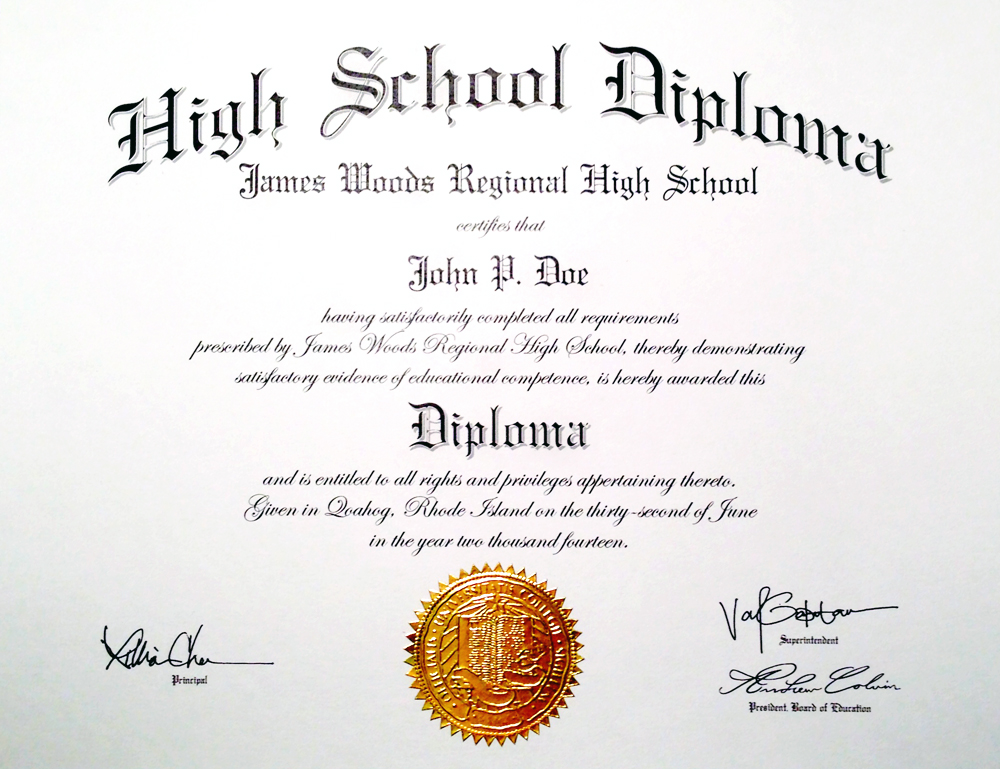
More about the ceremony
Graduation is often held in May, sometimes outdoors in a stadium and sometimes in a gymnasium. The setting is prepared in a very ceremonial way, with an entrance procession, speeches, applause, and lots of emotion from families.
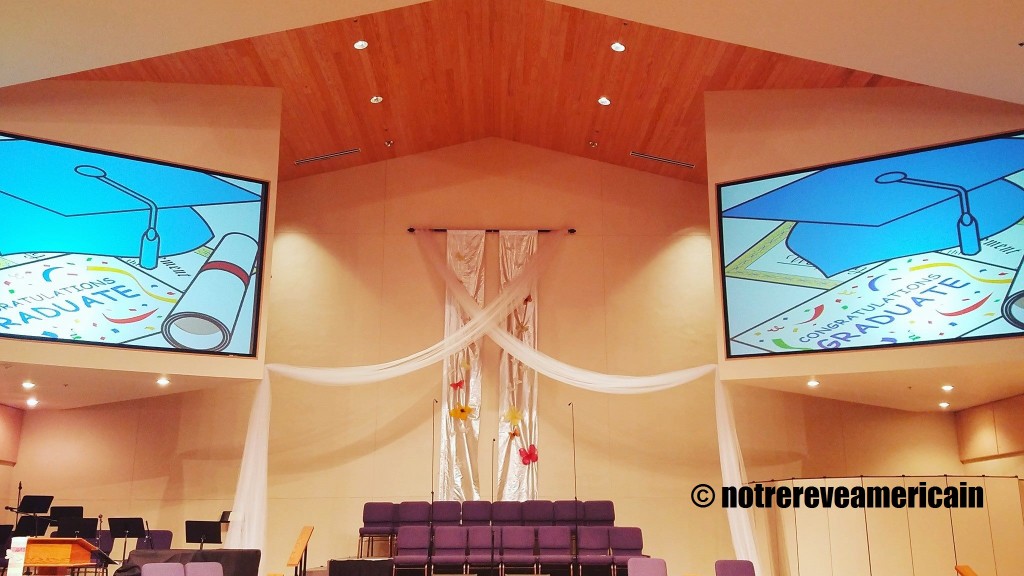
The seniors themselves are at the center of the event. They wear the famous cap and gown, sit together facing the stage, and wait for their names to be called one by one. The moment the diploma is handed over is both official and deeply emotional, especially for parents.
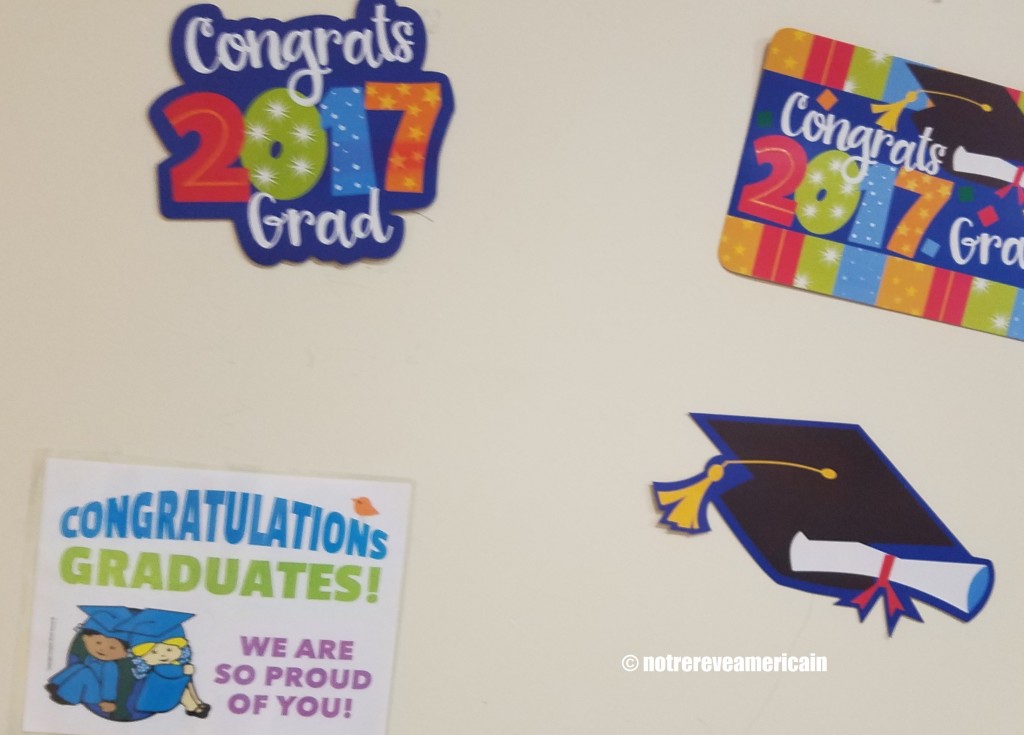
Many ceremonies also include symbolic speeches, music, and a final collective moment before the cap toss. It is one of those American rituals that really shows how much milestones are celebrated publicly here.
It is also a moment when classmates officially close an important chapter together before moving on to college, work, or the next stage of life. That collective emotional dimension is a big part of why graduation feels so important in the United States.

For outsiders, attending one of these ceremonies is also a very concrete way to understand American school culture beyond the clichés seen in films and TV series.
It is one of the strongest symbols of American school life, and seeing it in person makes it easy to understand why so many families treat it as a major life event.

It also illustrates how much recognition, symbolism, and public celebration are built into the American education system from one milestone to the next.