Madame Irma
After writing two articles about general information on hurricanes (see my articles Hurricanes in Florida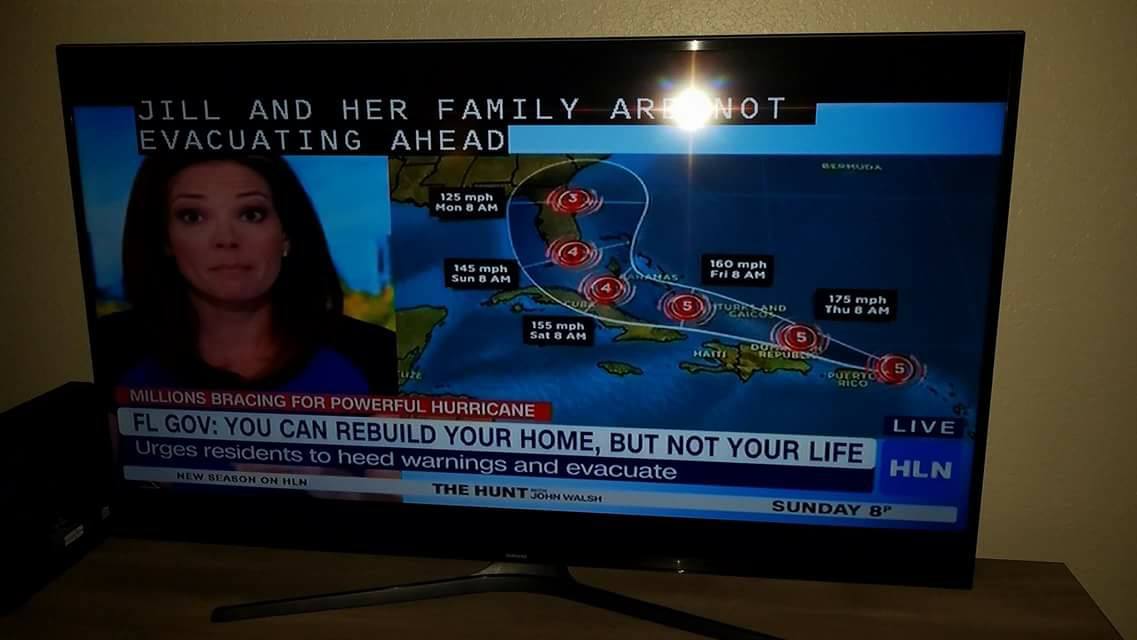
 and What to do in case of a hurricane in Florida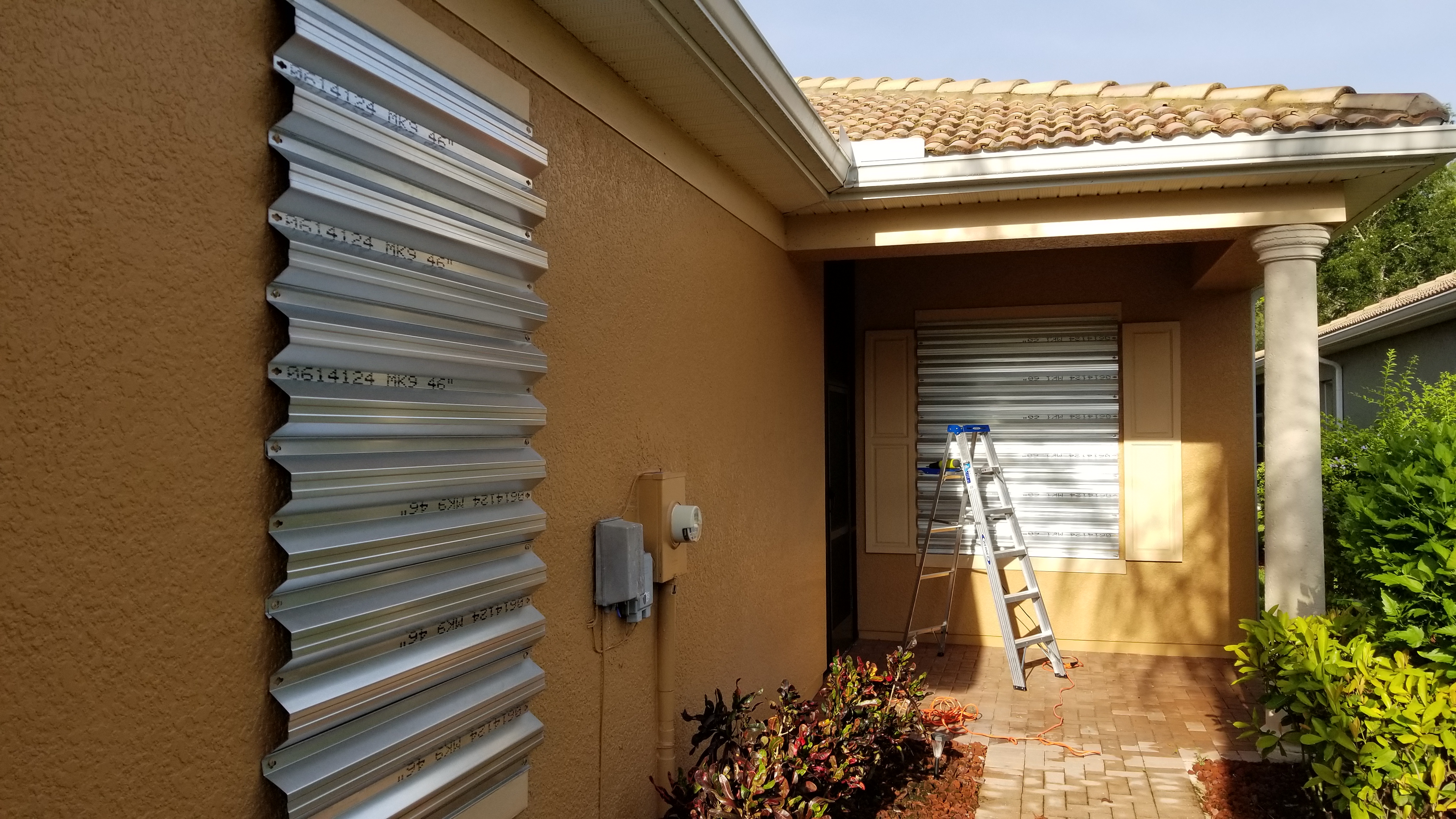
 ), I had to come back to Hurricane Irma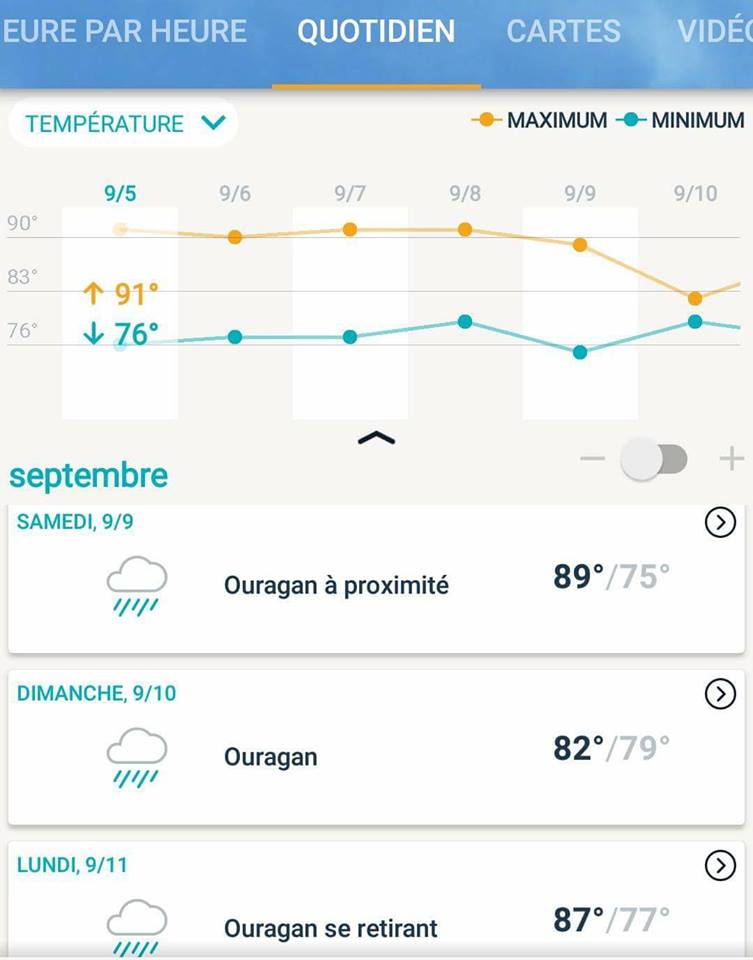
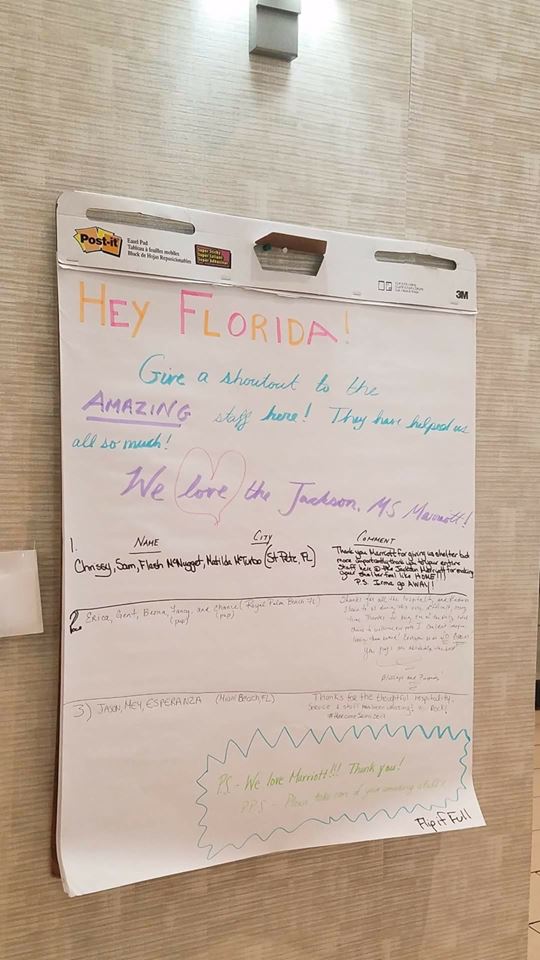 from a more personal point of view to close this topic. Madame Irma came to Florida and led us into an unplanned road trip all the way to Mississippi, more precisely to Jackson, the capital of Mississippi. Why did we leave and go so far away? I am going to explain the sequence of events.
At the beginning, when we first started hearing about Irma, it was mostly through Facebook, where more and more articles were appearing in our news feed, and also through expatriate friends in the USA who were talking to us about this hurricane moving toward Florida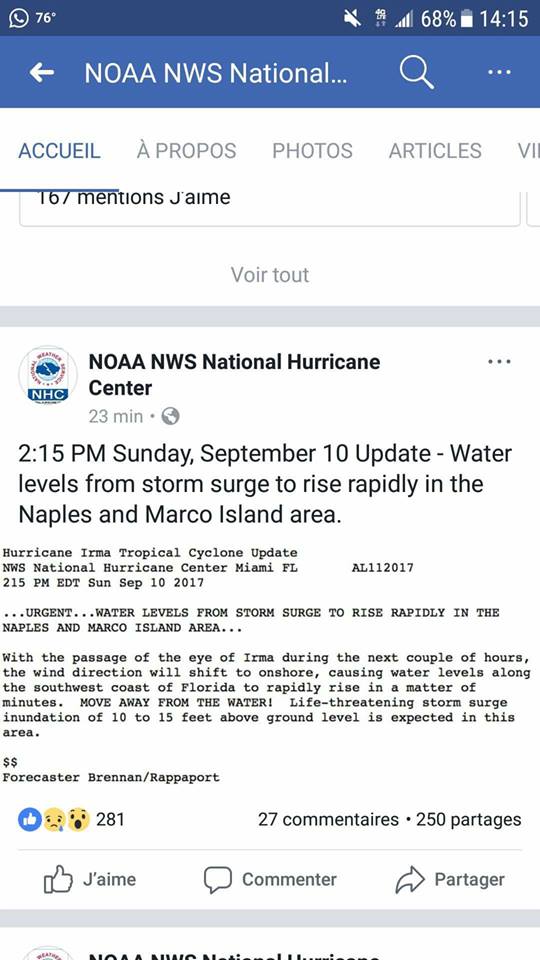
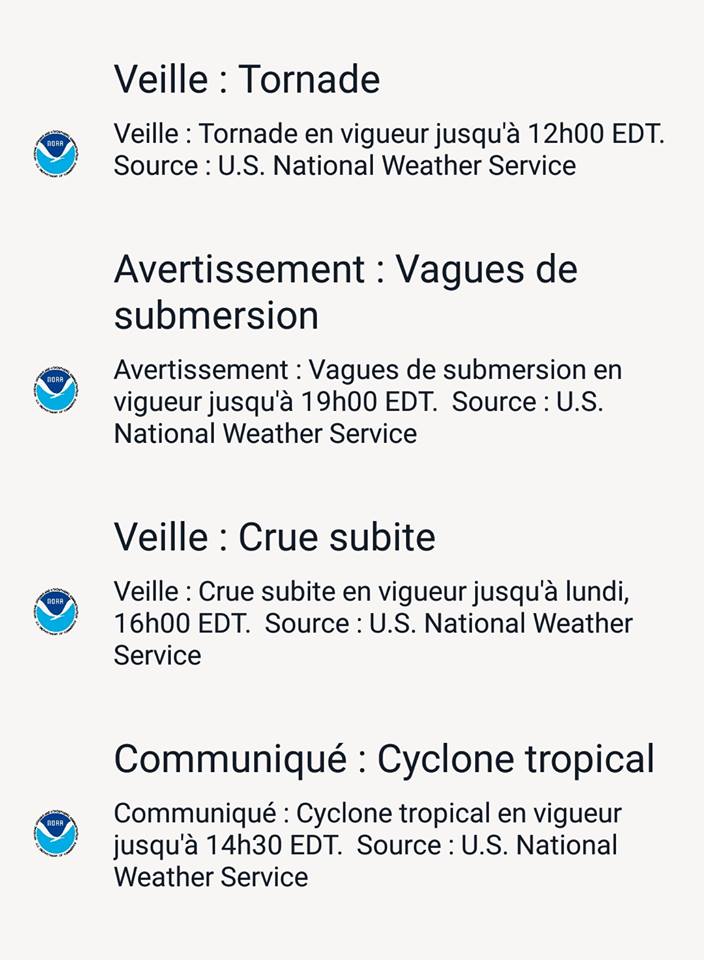
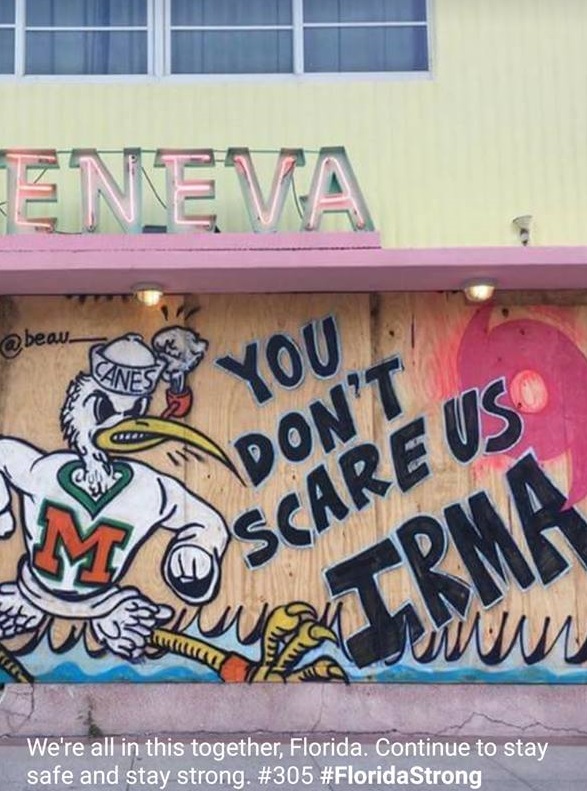 . The Sunday before Irma, we were on Marco Island and during the day I noticed a few signs mentioning a “hurricane.” I did not pay much attention to them until the evening, when, while chatting with a friend by message, she asked whether we had already bought supplies. I asked her why, and she sent me a photo of empty shelves while mentioning Irma’s arrival in South Florida. That is when we started seriously watching the weather channels, even though we were not yet truly worried.
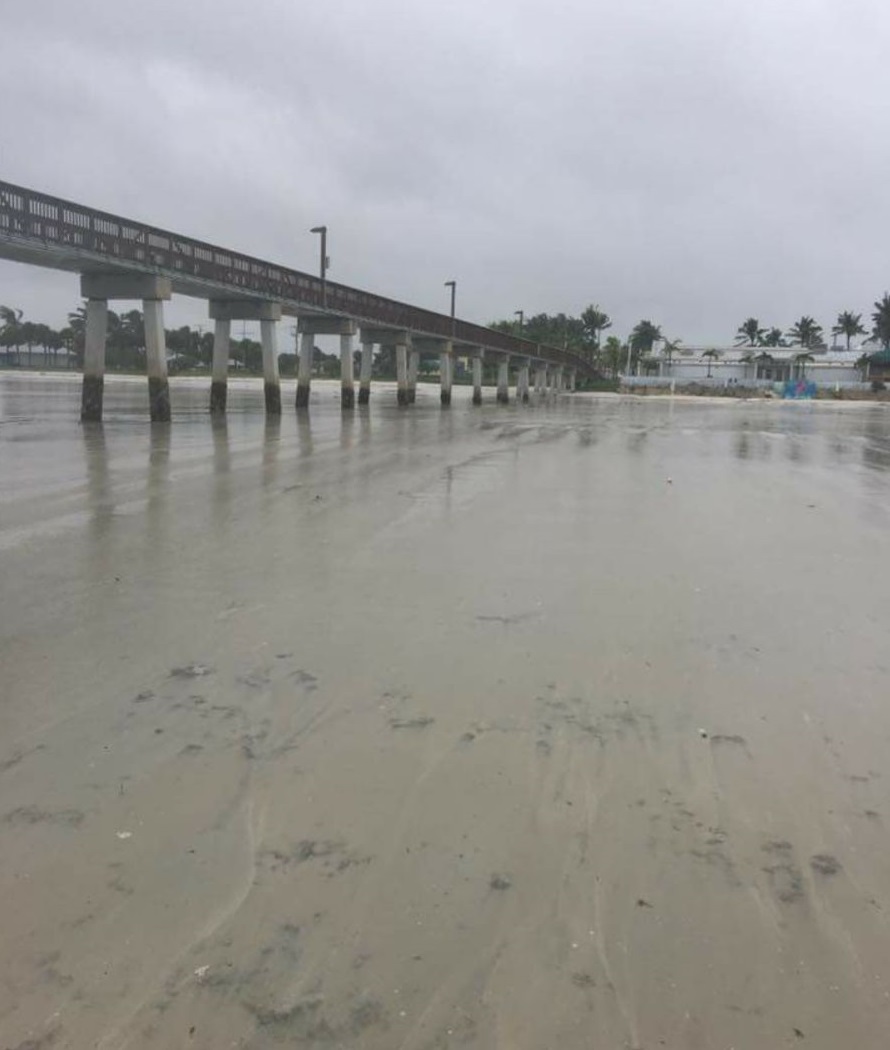
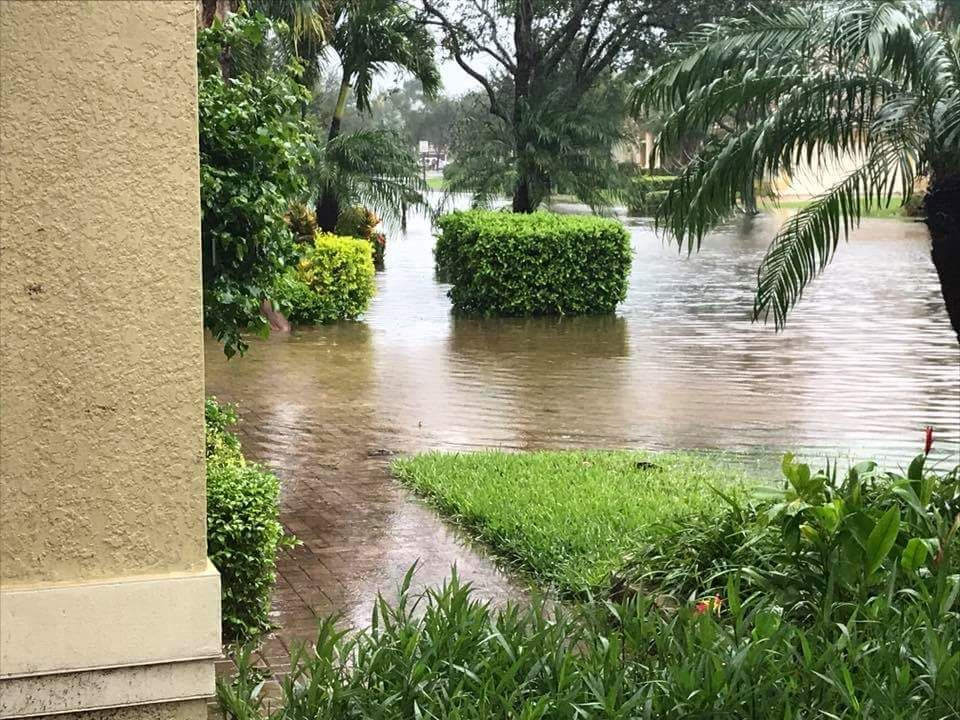
At first, it looked as though Hurricane Irma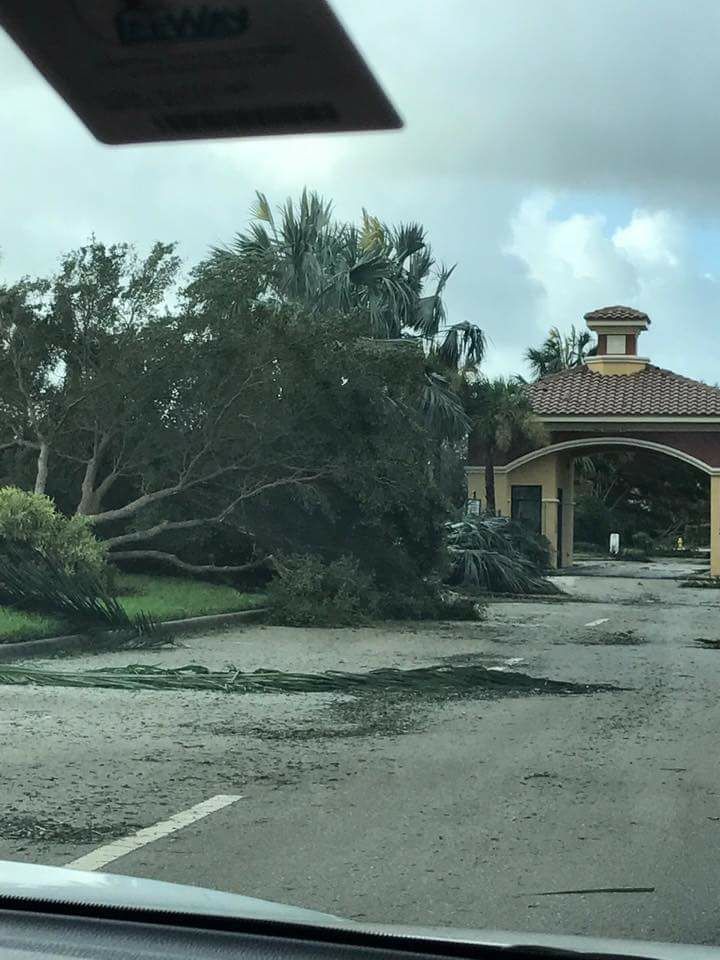
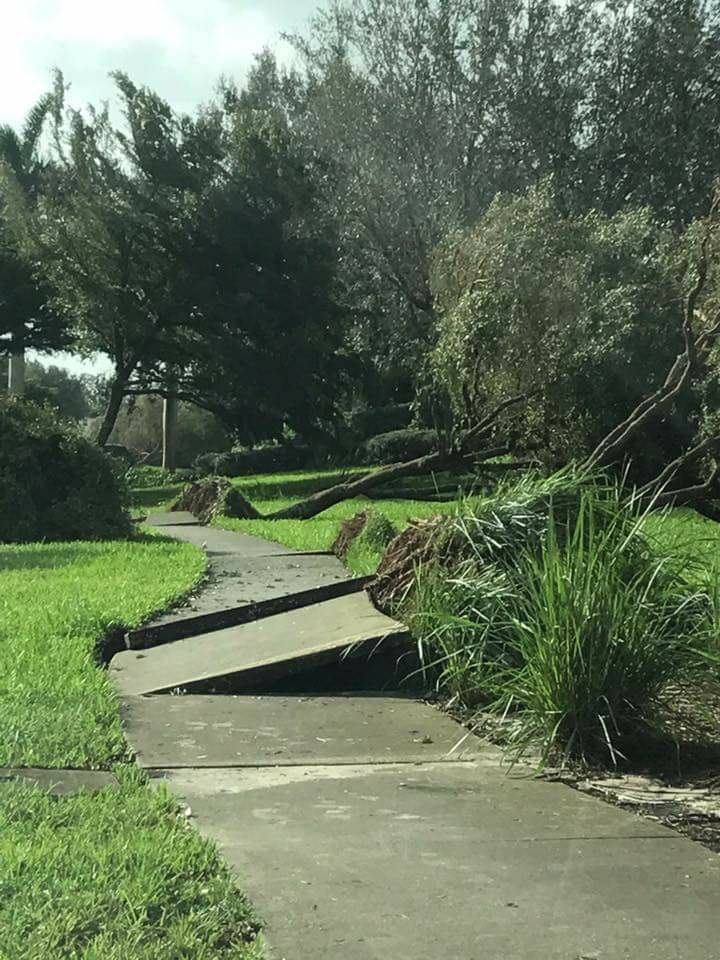
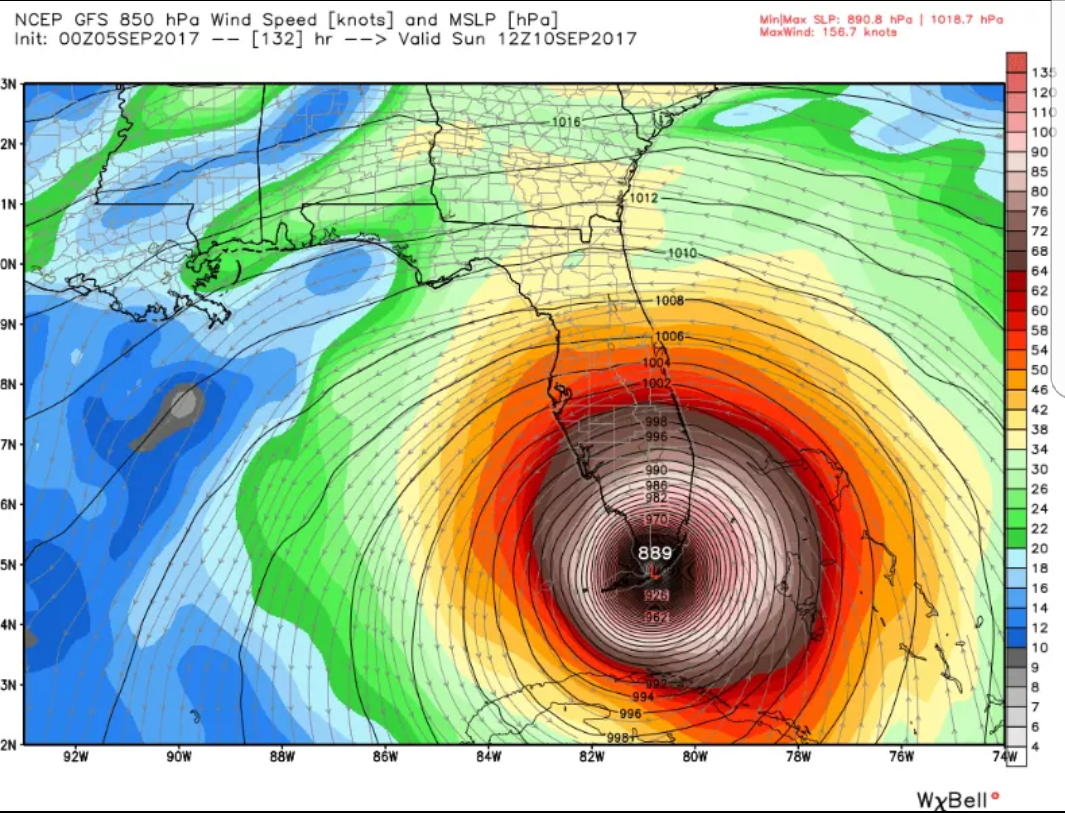
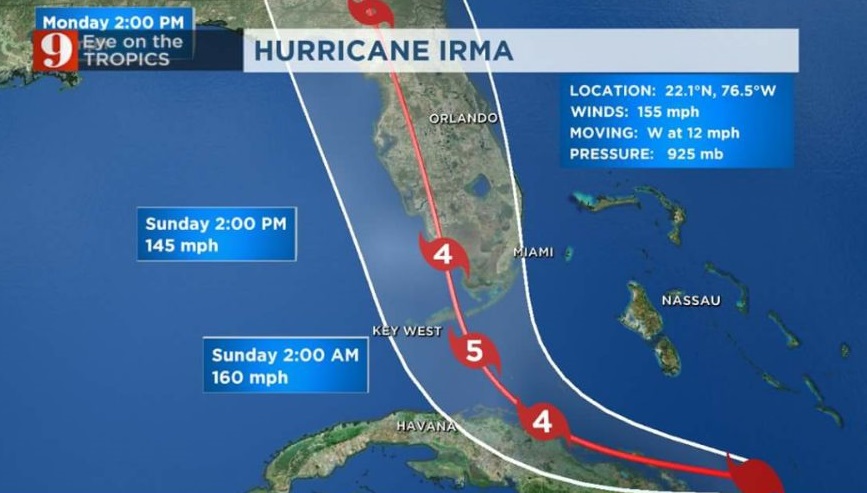
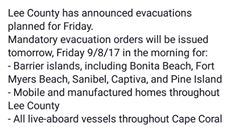
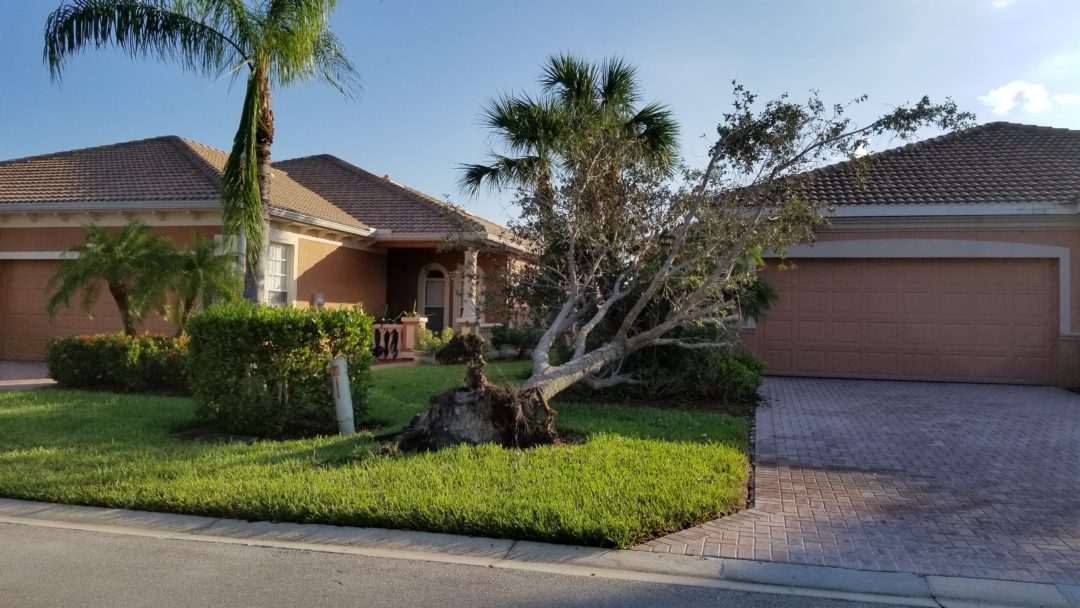 was heading more toward the East Coast, especially toward Miami, and as worried as we were for the people there, we thought that maybe it would not be necessary to leave our house. But that was before taking into account the sheer size of Madame Irma, who was definitely not on a diet, since she appeared as a Category 5 hurricane on the Saffir-Simpson scale with a diameter of roughly 500 kilometers at that moment. Irma was one of the most powerful hurricanes in the Atlantic Ocean in the previous eighty years. The atmosphere around us was already beginning to change and, whenever we crossed paths with a neighbor or someone we knew, people kept asking one another whether they were going to leave or stay in their home. The statements from the governor of Florida and the authorities were not very reassuring either. We then became aware of the danger and of the losses Irma could cause, while also feeling powerless in front of nature. On top of that, the tracking maps showed that Irma was moving more and more toward central Florida, and even toward the west of the state where we live.
As the hours went by, the atmosphere became more and more tense. You could feel the pressure rising everywhere: in stores, on the roads, on television, on social media, and even in conversations with complete strangers. The weather channels were running almost continuously, with maps, forecasts, and anxious commentary. In the supermarkets, people were stocking up on water, canned food, bread, batteries, and basic emergency items. Some shelves were empty, and it suddenly became impossible to ignore the fact that a major event was coming. Even for those who have never lived through a hurricane before, seeing water disappear from the shelves and hearing all the warnings repeated again and again makes the situation very real.
At that stage, we started discussing the question seriously as a family. Should we stay? Should we leave? If we left, how far should we go? The authorities were multiplying their recommendations, and the scale of the event made us understand that this was not something to take lightly. We also had children with us, which changes the way you think. It is one thing to accept some uncertainty for yourself and another to expose your children to a dangerous and potentially traumatic situation if you can avoid it. The stress did not come only from the hurricane itself, but from the need to make the right decision at the right moment.
One of the most difficult parts was the uncertainty. Forecast tracks change, warnings evolve, and when you are watching the path of a hurricane, every new update can increase or reduce your anxiety. At one point, you still hope that it will veer away. Then the next update brings it closer to your area again. Meanwhile, people around you are making their own decisions. Some leave, some stay, some prepare their shutters, some wait until the last minute. That kind of uncertainty is exhausting.
We finally decided to leave. We did not choose a nearby stop but a destination far enough away to feel that we were truly getting out of the danger zone. That is how we ended up in Mississippi, in Jackson. In a way, it became a road trip we had never planned, but under conditions that were far from carefree. The roads were crowded, fuel was a concern, and there was always this strange feeling of moving under pressure, not for pleasure but because a major hurricane was approaching.
The trip itself left a strong impression on me. You drive with the sensation that thousands of other people are doing exactly the same thing for the same reason. You stop at gas stations not knowing whether there will still be fuel. You look at your phone, television updates, and weather maps all the time. You are physically on the road, but mentally you are still in Florida, wondering what is happening there and what will happen next. It is a very strange feeling: you have left to protect yourself, but your mind remains tied to the place you have just fled.
Once we arrived in Jackson, the pressure eased a little, but not entirely. We were safe, of course, yet we continued to follow the situation very closely. We watched the forecasts, the alerts, the images, and the news from Florida. We were also thinking about our home, our neighbors, our daily life, and everything that remained behind us. That is probably one of the hardest things in this kind of experience: even when you have physically left the danger area, you do not really stop worrying.
At the same time, being forced to leave also gave us a different experience: it brought us to Jackson, Mississippi, a place we had not planned to visit at all. In the middle of the anxiety and uncertainty, we found ourselves discovering a new city. It was not the context in which we would have chosen to visit, but it still became part of our story. That is also what life with hurricanes in Florida can mean: an unexpected mix of fear, logistics, adaptation, and strange discoveries that end up becoming memories in their own right.
Looking back, Irma remains for me much more than a weather event. It was a very concrete reminder of what it means to live in a hurricane-prone region. On paper, everyone knows that Florida has hurricane season. But when you are the one checking forecasts, wondering whether to leave your house, looking for supplies, watching empty shelves, and driving across several states with your family, the subject becomes something completely different. It becomes personal.
This experience also changed the way I look at preparation. Before living through a major storm threat, the advice authorities give can sound repetitive or exaggerated. Afterward, you understand much better why they insist so much. Supplies, evacuation plans, emergency kits, fuel, documents, communication, and early decisions all matter. When a storm of this magnitude is approaching, these things are not details anymore.
In the end, Madame Irma forced us to improvise, to adapt, and to see Florida from a very different perspective. Sunshine, beaches, and palm trees are real, of course, but so is the reality of hurricanes. Living in Florida means accepting both.
Irma was a powerful reminder that in Florida, nature can suddenly take over everything and force you to rethink your plans in an instant.