Florida, nicknamed the Sunshine State, immediately brings to mind white-sand beaches, waterfront cocktails, iconic theme parks like Walt Disney World Resort, and sunny adventures. But this southeastern American state is much more than just a tourist cliché. Beyond its beach resorts and lively cities lies an unexpected richness. From diverse landscapes and fascinating wildlife to unique history and cultural traditions, every corner of Florida tells a story.
Whether you’re passionate about nature, love water sports, curious about local heritage, or simply looking for unusual adventures, there’s always something new to discover. In this article, explore 30 surprising facts about Florida from its unique geography and natural treasures to the historical and cultural quirks that make the Sunshine State so special.
🛏️ Find the best hotel deals for your trip here.
Number 1 – Florida: The Flattest State in the U.S.
Florida is the flattest state in America. Its average elevation is only about 100 feet (30 meters), and its highest point, Britton Hill, reaches just 345 feet (105 meters) above sea level — the lowest “highest point” of any U.S. state.
⚠️ Fun fact: if sea levels continue to rise, parts of Florida could eventually disappear underwater. Thankfully, for now, people are still enjoying the beaches and sunshine without a worry!
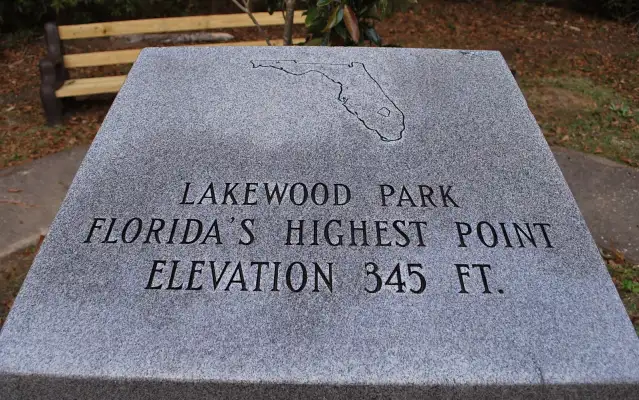 Britton Hill, Florida
Number 2 – Florida: Sunshine, Warm Weather, and Outdoor Living All Year Long
Even though Florida is famously known as the Sunshine State, it’s surprisingly not the sunniest state in the country — that title actually goes to parts of California, especially Southern California. Still, Florida’s subtropical and tropical climate allows residents and visitors to enjoy warm temperatures and sunshine for most of the year, making it one of the most popular destinations in the United States.
In many parts of Florida, especially South Florida and the Florida Keys, winter temperatures often remain mild and pleasant while much of the country deals with snow and freezing weather. This year-round warm climate is one of the main reasons millions of tourists visit the state every year.
Thanks to its weather, Florida is the perfect place for outdoor activities. Whether it’s relaxing on the beach, kayaking through mangroves, golfing under blue skies, hiking in nature preserves, boating, paddleboarding, or watching sunsets over the Gulf of Mexico, outdoor living is part of everyday life here.
☀️ Fun fact: Florida experiences more thunderstorms than almost any other U.S. state, especially during the summer months. Afternoon storms can appear suddenly, but they usually pass quickly, often leaving behind beautiful sunny skies again just minutes later.
🌅 Discover beautiful vacation rentals for every budget.
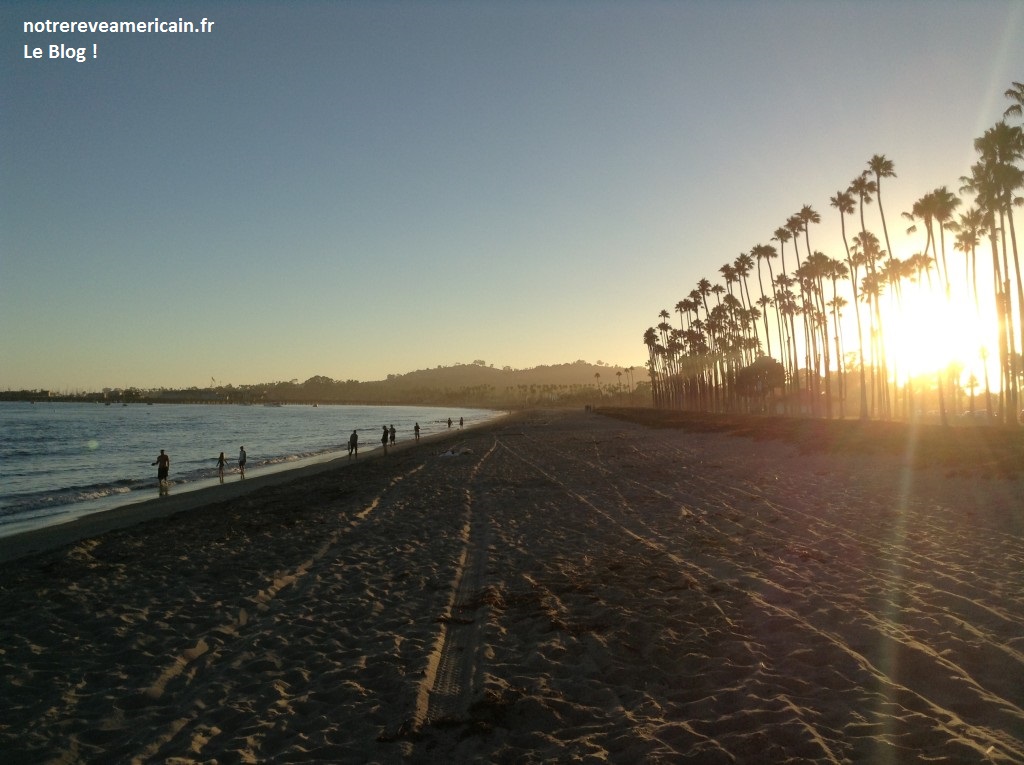 Sunset in California
Number 3 – Tourism in Florida: One of the Most Visited Destinations in the World
Florida welcomes an incredible number of visitors every single year, making it one of the most popular travel destinations not only in the United States, but also in the world. With its warm weather, famous beaches, world-class attractions, and diverse landscapes, Florida has something for every type of traveler.
Many visitors come to experience iconic theme parks like Walt Disney World Resort and Universal Orlando Resort, while others are drawn to the natural beauty of the Everglades National Park, the crystal-clear springs, or the tropical atmosphere of the Florida Keys. Every year, students from across the country also head to Florida for the famous Spring Break season, especially in beach destinations like Miami Beach and Panama City Beach.
🌴 Looking for the perfect place to stay? Browse hotels here.
Florida’s cities each offer a completely different atmosphere. In Miami Beach, visitors love the colorful Art Deco architecture, vibrant nightlife, luxury hotels, and multicultural energy. Places like Orlando attract families, while destinations such as Naples, Sanibel Island, and Sarasota are popular for relaxing Gulf Coast vacations.
Tourism plays a huge role in Florida’s economy and helps support millions of jobs across the state, from hotels and restaurants to attractions and transportation.
🌴 Fun fact: Florida regularly welcomes well over 100 million visitors per year, making it one of the busiest tourism destinations in America.
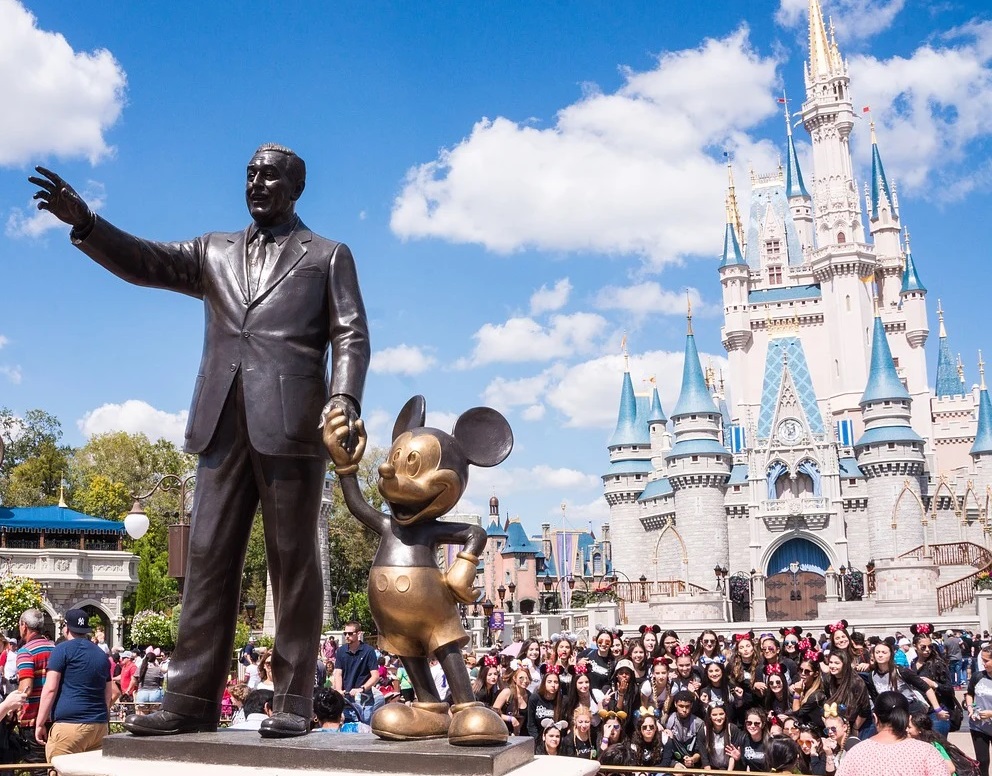 Disney, Orlando
Number 4 – No State Income Tax in Florida
One of the biggest financial advantages of living in Florida is that the state does not charge a personal income tax. Florida is actually one of only seven U.S. states where residents do not pay state income tax, and this rule is even protected by the state constitution.
For many Americans, retirees, entrepreneurs, and investors, this is a major reason why Florida is such an attractive place to live. Without state income tax, residents can potentially keep more of their earnings compared to people living in states with high taxes, such as California or New York.
This tax advantage has helped fuel Florida’s population growth over the years, especially in cities like Miami, Tampa, Naples, and Orlando, where many people relocate for both the lifestyle and the financial benefits.
Of course, Florida still collects revenue in other ways, including sales taxes and property taxes, but the absence of state income tax remains one of the state’s biggest selling points.
💰 Fun fact: Many business owners, remote workers, retirees, and even celebrities choose to establish residency in Florida partly because of its tax-friendly system.
🚗 Compare rental car prices and book the best deal here.

Number 5 – Florida and Oranges: A Citrus Powerhouse
Florida is famous around the world for its oranges and citrus industry. For decades, Florida has been one of the largest orange-producing regions in the United States, supplying a huge portion of the country’s orange juice and citrus products.
The state is known for its vast orange groves, especially throughout Central and South Florida, where the warm climate and abundant sunshine create ideal growing conditions. Freshly squeezed orange juice has become almost a symbol of Florida itself.
Beyond oranges, Florida also has a massive agricultural industry. The state is home to approximately 47,300 commercial farms and ranches and ranks among the top producers in the country for crops such as tomatoes, watermelons, grapefruit, cucumbers, and sugarcane.
Agriculture plays a major role in Florida’s economy and landscape, even though many people mainly associate the state with beaches and tourism. Driving through parts of inland Florida, it’s common to see endless citrus groves, farmland, and agricultural communities far from the theme parks and coastal resorts.
🎟️ Book the top-rated tours and attractions here.
🍊 Fun fact: The scent of orange blossoms is so iconic in Florida that it’s often associated with springtime throughout the state. Florida orange juice also became internationally famous thanks to the state’s booming citrus industry in the 20th century.
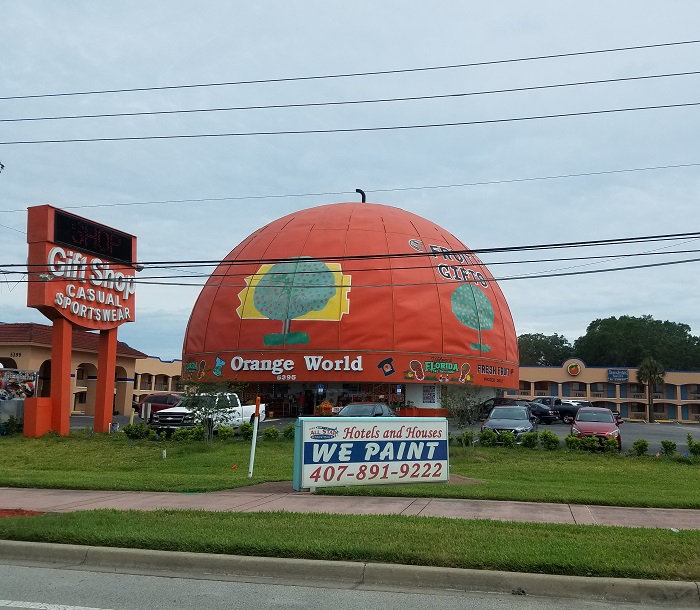
Number 6 – Florida Wildlife: Much More Than Just Alligators
Florida is home to some of the most unique and diverse wildlife in the United States. While many people immediately think of alligators, Florida’s ecosystems are filled with an incredible variety of animals living in swamps, wetlands, beaches, forests, rivers, and coastal waters.
One of the most fascinating places in Florida is Everglades National Park, the only place in the world where both alligators and crocodiles naturally live side by side. This massive subtropical wilderness is also home to countless other species and is considered one of the most important ecosystems in North America.
Florida’s wildlife includes gentle manatees often called “sea cows,” black bears, Florida panthers, dolphins, sharks, pelicans, raccoons, deer, turtles, and hundreds of bird species. In South Florida, it’s also common to spot iguanas, which were introduced years ago and are now found in many urban areas.
Nature lovers can enjoy wildlife almost everywhere in the state, whether kayaking through mangroves, visiting natural springs, walking boardwalks in the Everglades, or simply watching dolphins from the beach.
And yes… Florida is also famous for its mosquitoes, especially during the hot and humid summer months!
🐊 Fun fact: The Florida panther is one of the rarest mammals in North America, with only a small population still living in South Florida.
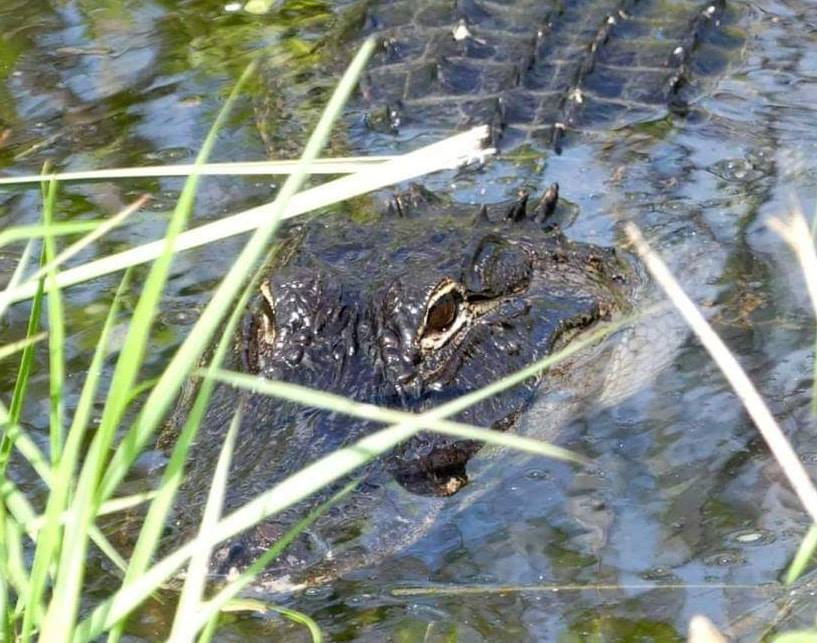
Number 7 – Two Different Floridas: North vs. South
Florida may look like one big tropical destination, but in reality, the state has very different personalities depending on where you go. Many people even say there are “two Floridas” — the North and the South — each with its own atmosphere, culture, history, and lifestyle.
South Florida is known for its multicultural energy and strong Latin American and Caribbean influences. Cities like Miami are famous for their international vibe, vibrant nightlife, luxury lifestyle, beaches, and bilingual culture, where both English and Spanish are heard everywhere. The tropical climate in the southern part of the state also feels warmer and more humid year-round, giving it an almost Caribbean atmosphere.
In contrast, North Florida has a very different feel. It is often more traditional, historical, and influenced by Southern American culture. Cities such as Tallahassee, St. Augustine, and Pensacola are known for their rich history, charming downtowns, colonial architecture, and slower pace of life.
The climate changes too. North Florida tends to experience cooler winters and more seasonal weather compared to the tropical warmth of South Florida.
🌴 Fun fact: A popular saying in Florida is, “The farther north you go, the more Southern it feels.”
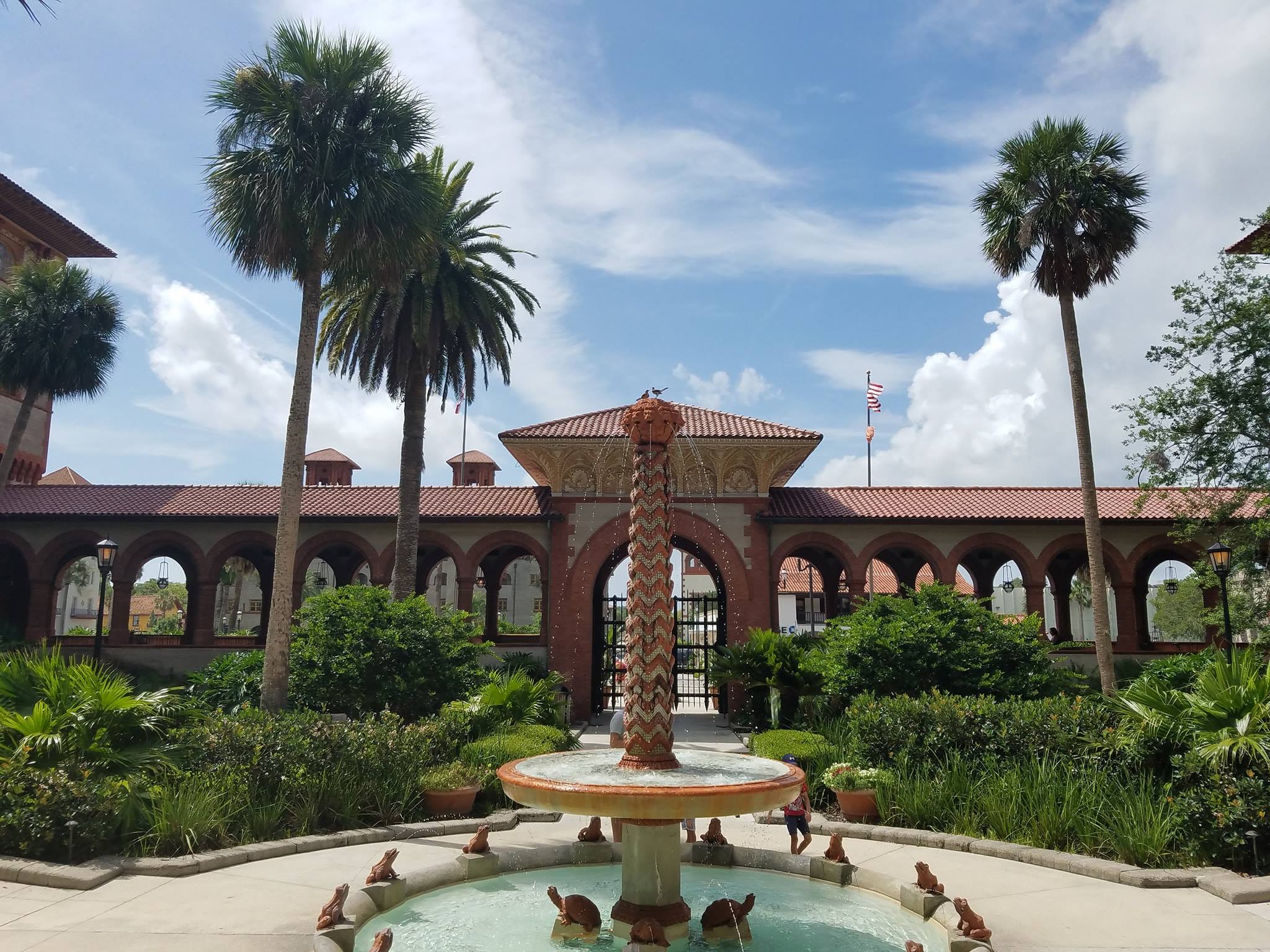
Number 8 – Florida’s Ancient History
Florida has a rich and fascinating history that goes back thousands of years, long before theme parks and beach resorts existed. The region was originally home to Native American tribes who lived throughout the state for centuries, adapting to Florida’s wetlands, forests, rivers, and coastal environments.
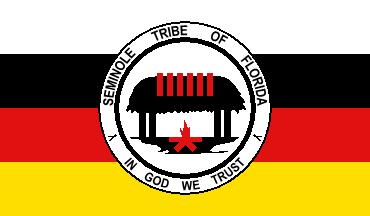
Among the most well-known Indigenous peoples are the Seminole, who played a major role in Florida’s history and culture. The Seminoles became especially famous for resisting removal during the Seminole Wars in the 1800s and remain an important part of Florida’s identity today.
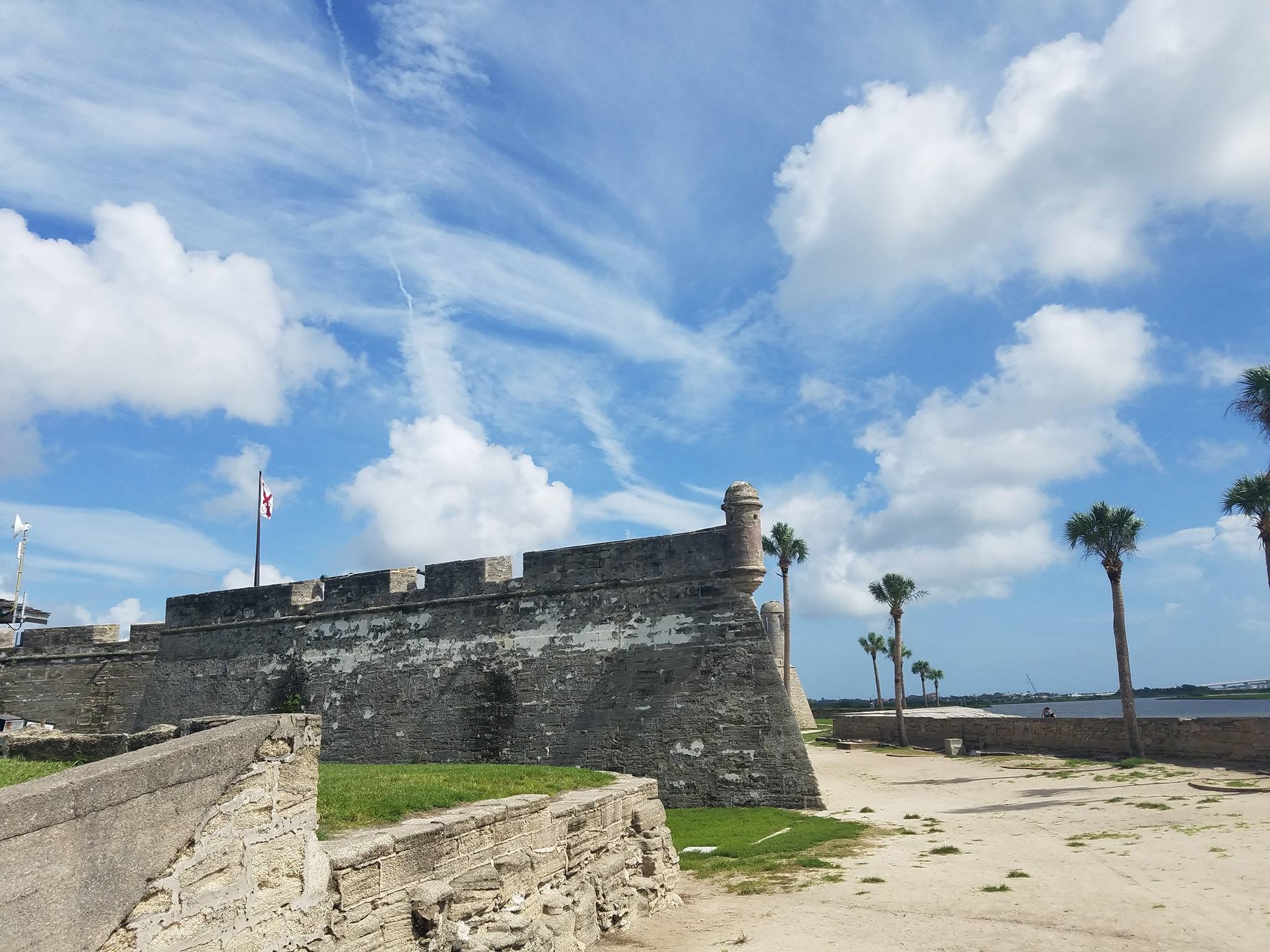
Florida also holds an important place in early American colonial history. St. Augustine, founded by the Spanish in 1565, is recognized as the oldest continuously inhabited European-established settlement in the continental United States. Walking through St. Augustine today feels like stepping back in time, with its cobblestone streets, Spanish colonial architecture, historic forts, and centuries-old landmarks.
Because of its strategic location, Florida was influenced by several cultures over the centuries, including Spanish, British, Native American, Caribbean, and later American traditions. This blend of influences is still visible today in the state’s architecture, cuisine, traditions, and local culture.
🏰 Fun fact: Castillo de San Marcos, the famous stone fortress in St. Augustine, is the oldest masonry fort in the continental United States and has stood for more than 300 years.
Number 9 – Higher Education in Florida
Florida has one of the largest and most developed higher education systems in the country. The state offers a wide range of opportunities for students, including major public universities, private institutions, and numerous community and state colleges spread throughout Florida.
Florida’s public university system includes around a dozen state universities, along with nearly 30 community and state colleges that provide affordable education, technical programs, and pathways toward four-year degrees.
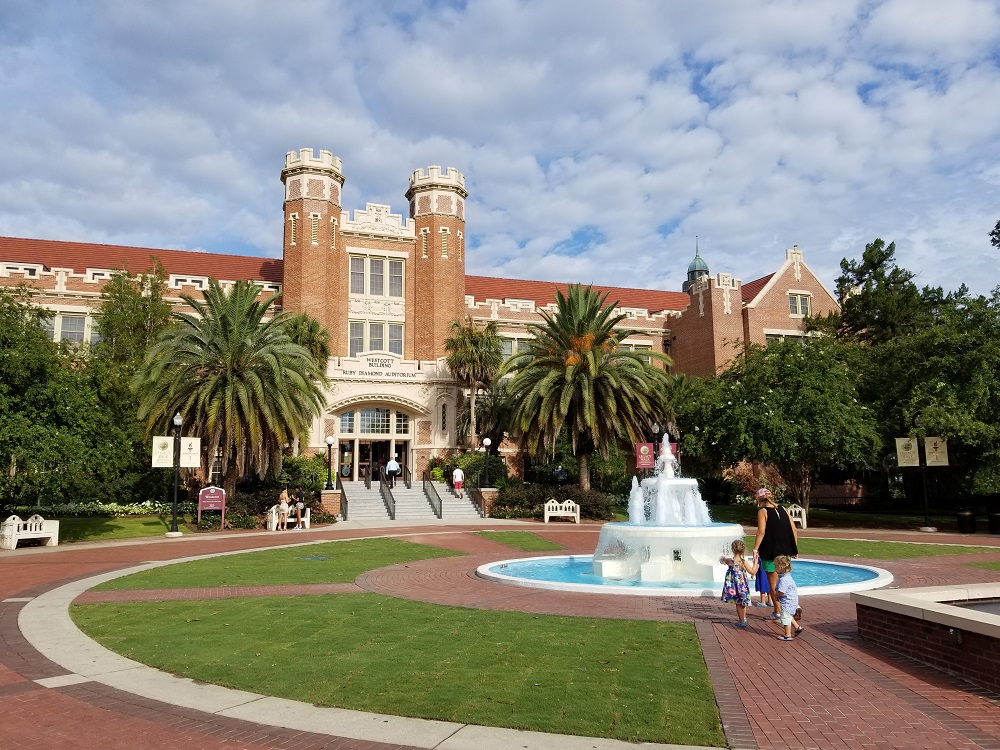
Among the most well-known universities is the University of Florida in Gainesville, which is consistently ranked among the top public universities in the United States. Florida State University in Tallahassee is also highly respected, especially for its strong academic programs, athletics, and campus life.
Another major institution is the University of Miami, a prestigious private university known internationally for research, medicine, business, marine science, and its strong connection to South Florida’s multicultural environment.
Florida’s universities attract students from all over the United States and around the world thanks to the warm climate, vibrant student life, and growing economy.
🎓 Fun fact: Florida is also known for offering relatively affordable in-state tuition compared to many other large states, making it an attractive option for families and students.
Number 10 – Florida: A Major Swing State in U.S. Politics
Florida plays an extremely important role in American politics and is often considered one of the country’s most influential swing states during presidential elections.
A “swing state” means that election results can shift between political parties from one election to another, making Florida a key battleground where every vote matters. Because of its large population and high number of electoral votes, candidates from both major political parties spend enormous amounts of time and money campaigning across the state.
During election seasons, it’s almost impossible to avoid politics in Florida. Residents are constantly exposed to political advertisements on television, social media, radio, billboards, and even text messages. Political discussions also become very common among friends, neighbors, coworkers, and families.
Florida’s political landscape is particularly interesting because different parts of the state often have very different political views. Large urban areas like Miami, Orlando, and Tampa can vote differently from more rural or northern regions of the state, which helps explain why elections in Florida are often so competitive.
🗳️ Fun fact: Florida has been the center of several historic presidential elections, including the extremely close 2000 election that became one of the most famous political recounts in U.S. history.

Number 11 – Florida and Lightning: The Thunderstorm Capital of the U.S.
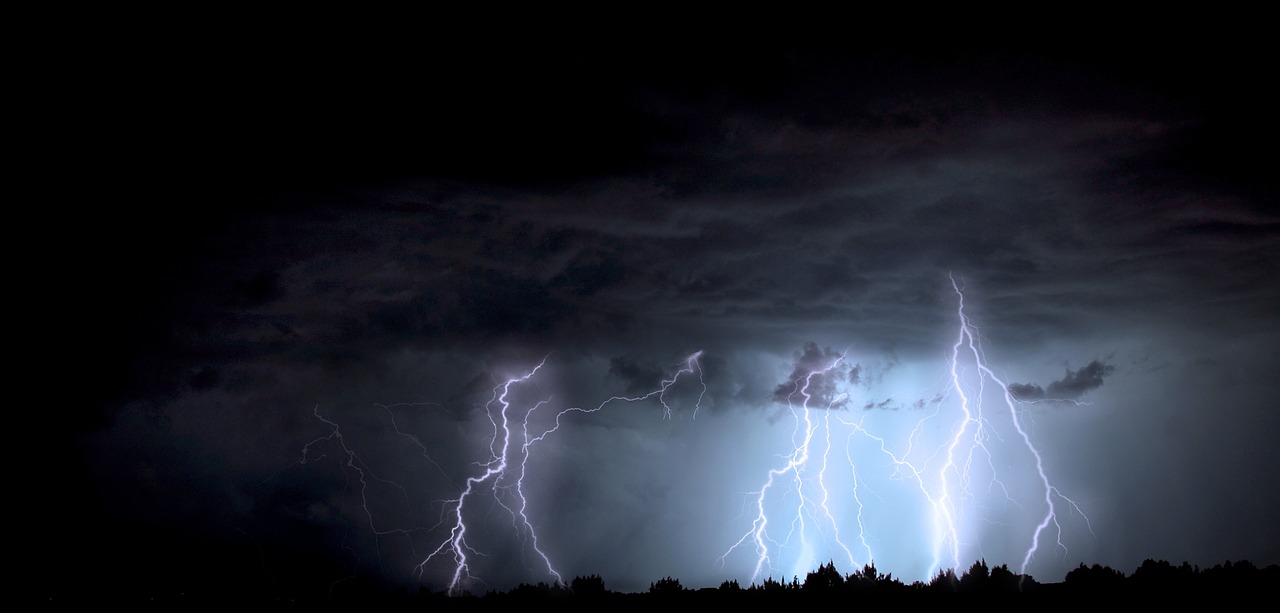
Florida is famous for its sunshine, but it is also known as one of the most thunderstorm-prone places in the United States. In fact, Florida regularly experiences more lightning strikes and intense summer storms than almost any other state in the country.
During the hot and humid summer months, powerful afternoon thunderstorms can develop very quickly, especially because of the combination of tropical heat, humidity, and sea breezes coming from both the Atlantic Ocean and the Gulf of Mexico.
Several Florida cities are particularly known for frequent lightning activity, including Fort Myers, Tampa, Tallahassee, Orlando, Daytona Beach, Miami, and Key West.
These storms are often short but extremely intense, bringing heavy rain, thunder, strong winds, and spectacular lightning displays. Locals are very used to quickly checking weather apps and timing outdoor activities around afternoon storms.
⚡ Safety tip: In Florida, if you hear thunder, it’s best to go indoors immediately. Lightning can strike even when the storm still seems far away.
🌩️ Fun fact: Central Florida is sometimes nicknamed the “Lightning Capital” of the United States because of the incredible number of storms that form there every year.
Number 12 – Key West: Tropical Heat and Unusual Laws
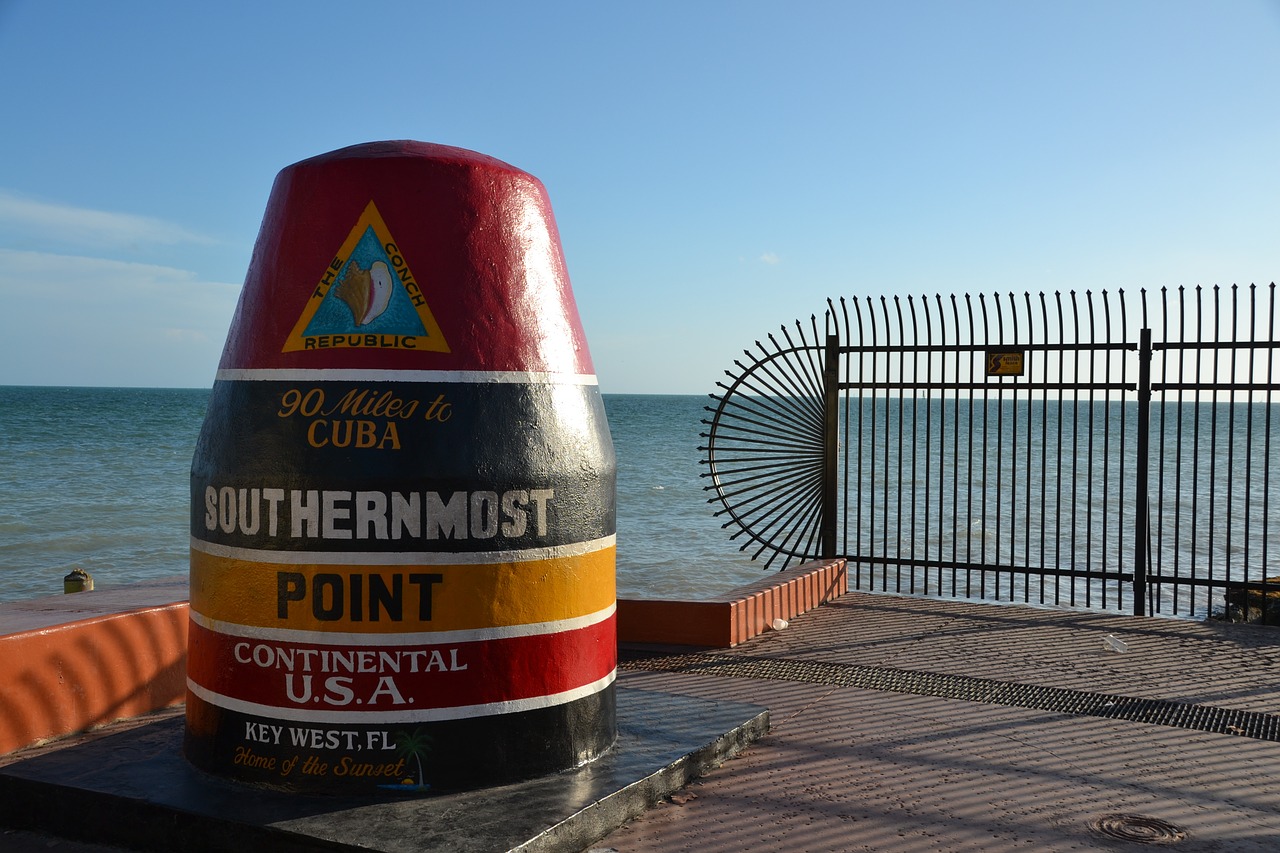
Key West is one of the warmest places in the United States year-round. Located at the southern tip of the Florida Keys, this tropical island paradise enjoys warm temperatures during both summer and winter, making it a favorite destination for travelers looking to escape cold weather.
Thanks to its Caribbean atmosphere, colorful streets, laid-back lifestyle, turquoise waters, and famous sunsets, Key West feels very different from the rest of the United States. The island is known for its relaxed vibe, lively bars, historic homes, and unique personality.
But beyond the beaches and tropical scenery, Key West is also famous for its quirky stories and unusual local laws. One of the funniest legends often mentioned is that singing in public while wearing only a swimsuit could technically get you into trouble. Whether fully enforced or mostly part of local folklore today, it perfectly reflects the island’s eccentric and entertaining character.
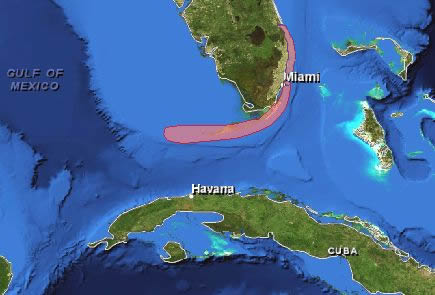
🌴 Fun fact: Key West is closer to Havana, Cuba, than to Miami, which explains some of its strong Caribbean influences and unique atmosphere.
Number 13 – Mangroves and the Everglades
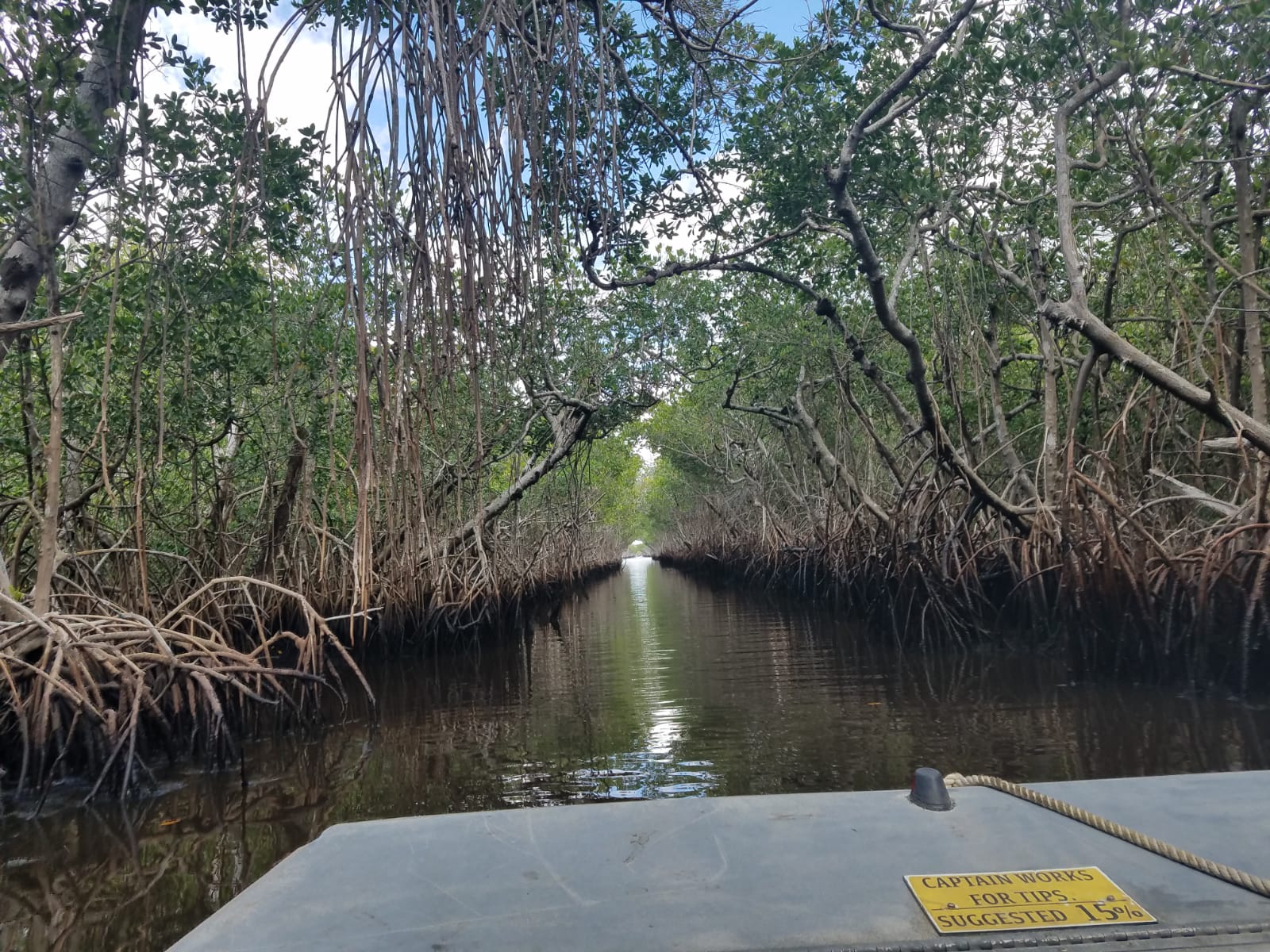
South Florida is home to the largest mangrove forest in the United States, one of the most fascinating and important ecosystems in North America. These tropical coastal forests are especially abundant throughout Everglades National Park, where nature remains incredibly wild and preserved.
Mangroves are unique trees that grow in salty or brackish water along the coast. Their large tangled roots create an essential habitat for countless species of fish, birds, crabs, manatees, and other wildlife. They also help protect Florida’s coastline from erosion, hurricanes, and storm surges.
Exploring the Everglades is a completely different experience from visiting Florida’s beaches or theme parks. Visitors can kayak through narrow mangrove tunnels, take airboat tours across the wetlands, walk scenic boardwalks, or spot wildlife in one of the most unique natural environments in the country.
The Everglades are often described as a “river of grass” because water slowly flows through the region across vast wetlands and marshes. This subtropical wilderness covers an enormous area and plays a critical role in Florida’s ecosystem and water supply.
🌿 Fun fact: The mangrove forests of South Florida serve as natural nurseries for many marine species, including fish that later populate Florida’s coastal waters and coral reef ecosystems.
Number 14 – Florida Beaches: You’re Never Far from the Ocean
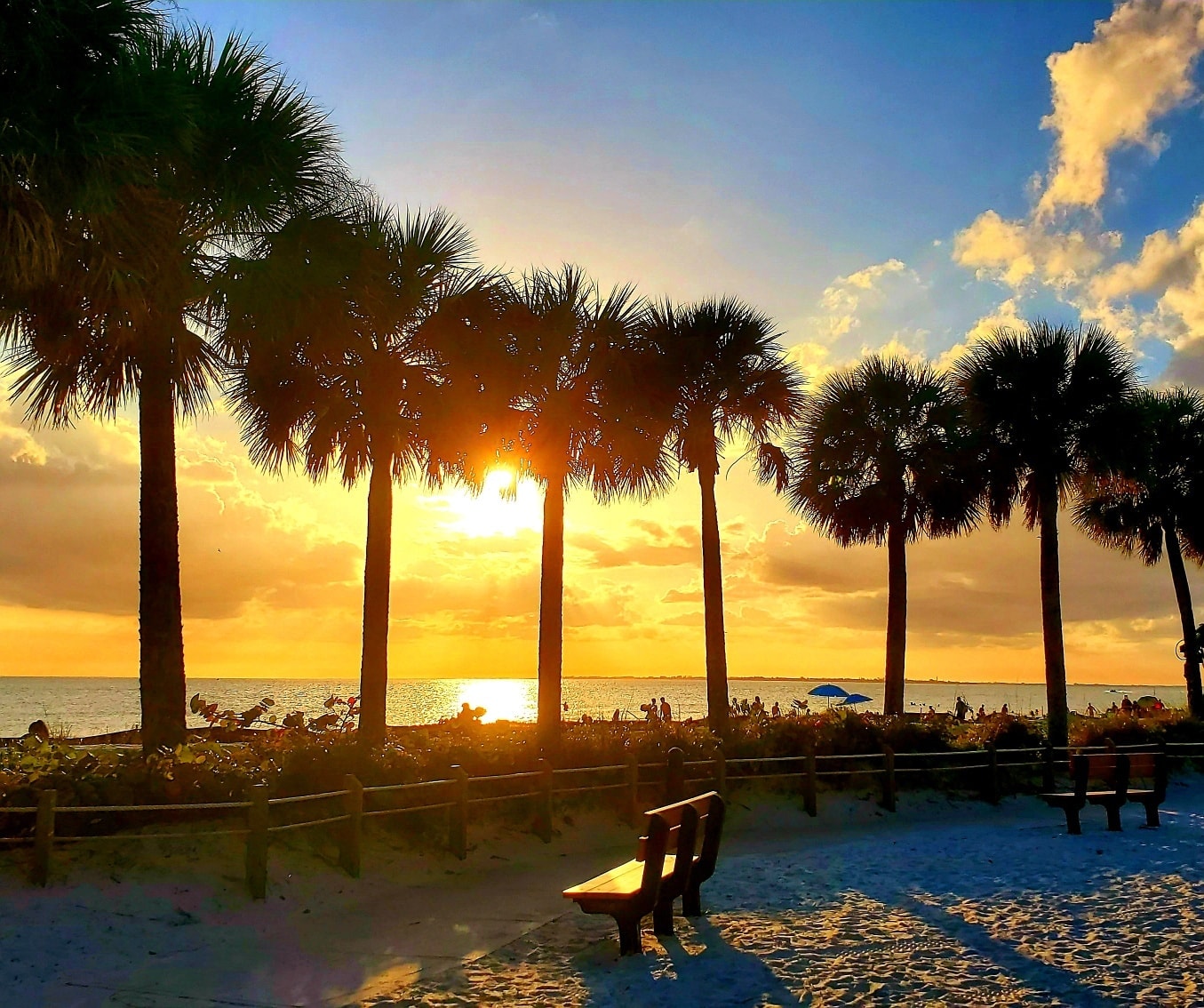
One of the most incredible things about Florida is that no matter where you are in the state, you are never more than about 60 miles (96 kilometers) from the ocean. Surrounded by both the Atlantic Ocean and the Gulf of Mexico, Florida is truly built around the water.
This unique geography is one of the reasons why beaches are such an important part of Florida’s lifestyle and culture. Whether you prefer the lively atmosphere of the Atlantic Coast or the calmer waters and spectacular sunsets of the Gulf Coast, there is a beach for every type of traveler.
On the Atlantic side, destinations like Miami Beach, Daytona Beach, and Fort Lauderdale are known for their waves, nightlife, and long stretches of sand. On the Gulf Coast, places such as Naples, Sarasota, and Sanibel are famous for soft white sand, calm turquoise water, and breathtaking sunsets.
Florida’s coastline also offers a huge variety of experiences, from hidden islands and natural parks to lively beach towns, fishing piers, luxury resorts, and wildlife-filled coastal preserves.
🌊 Fun fact: Florida has more than 1,300 miles of coastline, making it one of the states with the longest coastline in the entire United States.
Number 15 – Jacksonville: The Largest City by Area in the United States
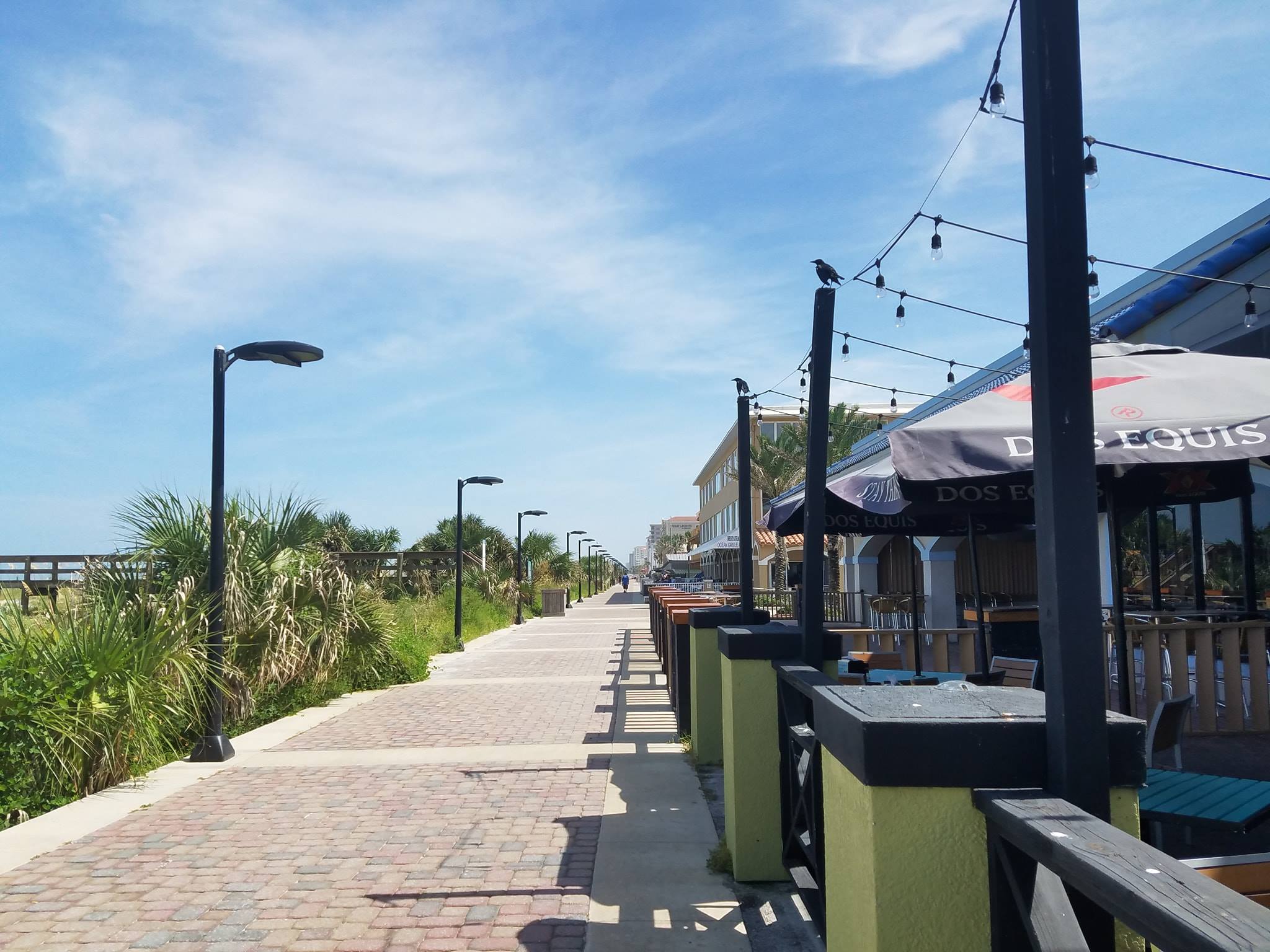
Jacksonville is often surprising to visitors because, in terms of land area, it is the largest city in the continental United States.
Located in Northeast Florida, Jacksonville covers an enormous area that includes urban neighborhoods, suburbs, rivers, beaches, forests, and large natural spaces. Because the city and county governments merged in 1968, Jacksonville expanded dramatically and now stretches across hundreds of square miles.
Many people expect Florida’s biggest cities to be places like Miami or Orlando, but Jacksonville’s sheer size makes it unique. Driving from one side of the city to the other can take a very long time because of how spread out the area is.
Jacksonville is also known for its beautiful Atlantic beaches, extensive park system, growing downtown, sports culture, and the St. Johns River, which runs directly through the city.
🌴 Fun fact: Jacksonville has the largest urban park system in the United States, with hundreds of parks and natural preserves spread throughout the city.
Number 16 – Florida’s Unique Cultural Mix
Florida is one of the most culturally diverse states in the country. Over the centuries, Florida has been shaped by many different peoples, traditions, and influences, creating a vibrant identity unlike anywhere else in the United States.
Long before European settlers arrived, Native American tribes such as the Seminole lived throughout the region and remain an important part of Florida’s history and culture today.
Florida was later influenced by Spanish colonists, especially in historic cities like St. Augustine, where Spanish architecture and traditions can still be seen centuries later. Because of its location close to the Caribbean and Latin America, Florida also developed strong Cuban, Haitian, Caribbean, and Latin American influences, particularly in South Florida.
Today, people from all over the world move to Florida for its climate, economy, beaches, and lifestyle. This multicultural population has created an incredible mix of languages, cuisines, music, festivals, and traditions across the state.
In cities like Miami, it’s common to hear multiple languages spoken in the same neighborhood, while other areas of Florida may feel more traditionally Southern American.
🌎 Fun fact: Florida’s cultural diversity is one of the reasons its food scene is so unique — you can find everything from Cuban sandwiches and fresh seafood to Caribbean dishes and Southern comfort food all in the same state.
Number 17 – The Great Florida Reef
Florida is home to the Florida Reef, also known as the Great Florida Reef, which is the third-largest coral barrier reef system in the world and the only living coral reef in the continental United States.
Stretching for hundreds of miles along the Florida Keys, this incredible underwater ecosystem is filled with colorful coral formations, tropical fish, sea turtles, rays, and many other marine species. The reef plays a crucial role in protecting Florida’s coastline while also supporting an enormous amount of marine life.
One of the best places to explore this unique natural wonder is John Pennekamp Coral Reef State Park in Key Largo. Visitors can enjoy snorkeling, scuba diving, kayaking, glass-bottom boat tours, and boat excursions to discover the beauty of the reef up close.
The clear turquoise waters of the Florida Keys make the area especially popular with divers and nature lovers from around the world. Exploring the reef often feels like entering a completely different world beneath the surface of the ocean.
🐠 Fun fact: One of the most famous attractions at John Pennekamp Coral Reef State Park is the underwater “Christ of the Abyss” statue, located several feet below the surface and visited by thousands of divers every year.
Number 18 – Shark Tooth Hunting in Florida
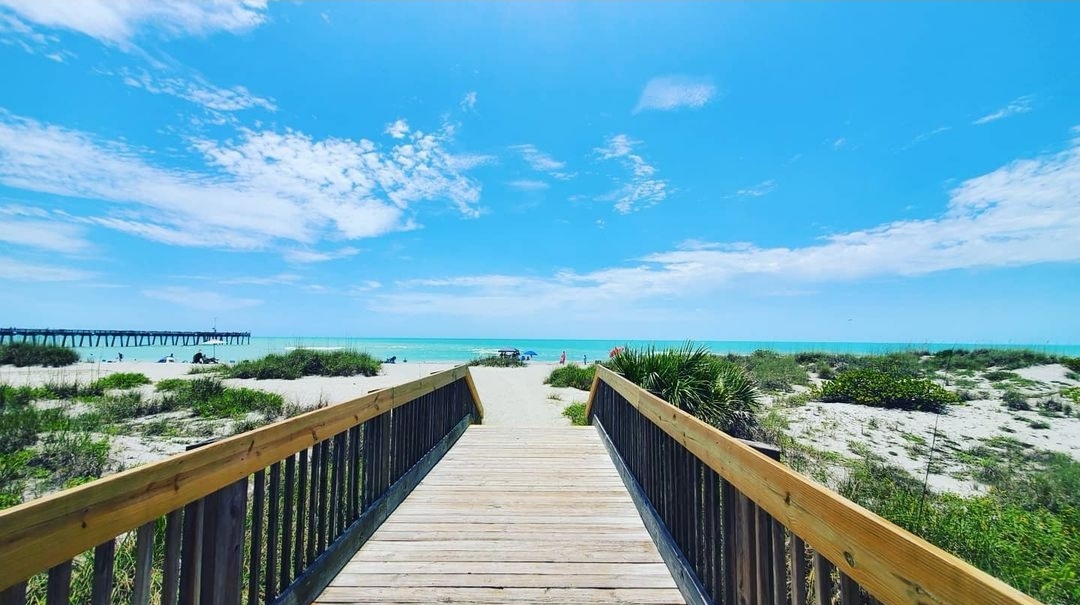
Florida is one of the best places in the world for shark tooth hunting, and Venice is especially famous for it. In fact, Venice is often called the “Shark Tooth Capital of the World.”
Millions of years ago, much of Florida was completely underwater. Because of this ancient marine history, fossilized shark teeth can still be found today along parts of Florida’s Gulf Coast, especially around Venice Beach.
Visitors regularly search the sand and shallow waters for black fossilized shark teeth from many different species, including the legendary prehistoric megalodon — one of the largest sharks to have ever existed on Earth. Some of these fossilized teeth are estimated to be millions of years old.
Shark tooth hunters often use small scoops or sifters to search through shells and sediment along the shoreline or in shallow water. It has become a popular activity for both locals and tourists, especially families visiting the Gulf Coast.
🌊 Fun fact: Finding fossilized shark teeth at Venice Beach is surprisingly common — many visitors leave the beach with several discoveries after just a short walk along the shore.
Number 19 – Fort Lauderdale: The Venice of America
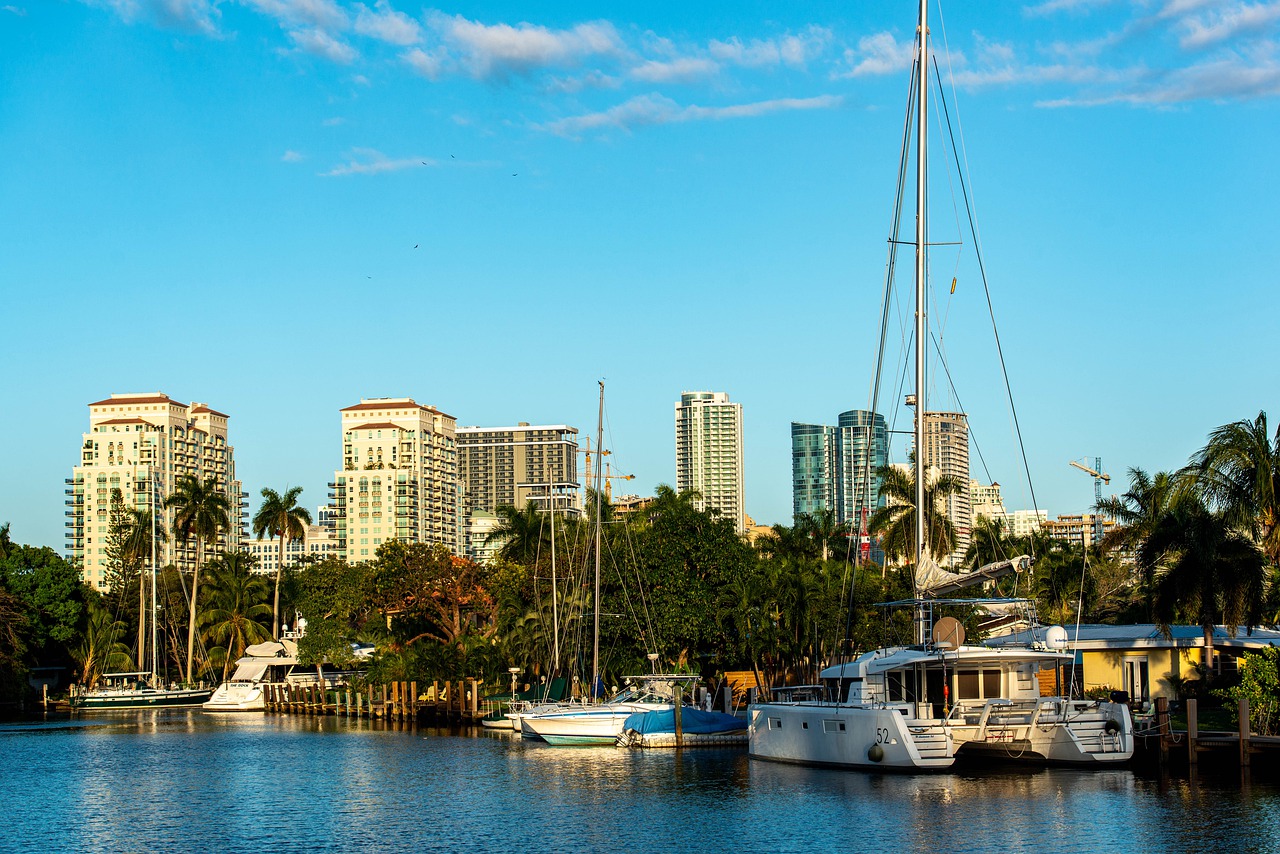
Fort Lauderdale is often called the “Venice of America” because of its impressive network of canals, waterways, and waterfront homes.
Located on the southeastern coast of Florida, the city features hundreds of miles of navigable canals that run through neighborhoods, marinas, luxury properties, and downtown areas. Boats are an important part of daily life here, and many residents can literally dock their boats right behind their homes.
Because of this unique layout, Fort Lauderdale offers a very different atmosphere from many other Florida beach cities. Visitors can explore the waterways by boat tours, water taxis, paddleboards, kayaks, or private yachts while enjoying views of tropical landscapes, luxury mansions, and beautiful waterfront restaurants.
The city is also internationally known for its boating culture and hosts one of the world’s largest boat shows every year.
🌴 Fun fact: Fort Lauderdale has more than 300 miles of inland waterways, which is why the comparison to Venice became so popular.
Number 20 – Baseball in Florida
If you love baseball, Florida is an amazing place to be, especially during the spring season. Every year, Florida becomes a paradise for baseball fans thanks to Spring Training, when Major League Baseball teams prepare for the upcoming season.
Florida hosts the famous Grapefruit League, where many professional baseball teams train and play exhibition games across the state. Cities throughout Florida welcome teams, players, coaches, and fans from all over the country.
One of the best things about Spring Training is that fans can watch Major League players up close in smaller stadiums and in a much more relaxed atmosphere than during the regular MLB season. It’s also a great opportunity to discover future stars from the minor leagues before they become famous.
Games are often more affordable than regular-season MLB games, making them very popular with families, tourists, and baseball enthusiasts spending the winter or spring in Florida.
⚾ Fun fact: Florida’s warm climate makes it the perfect place for outdoor baseball training during the winter months, which is why so many professional teams return there every year.
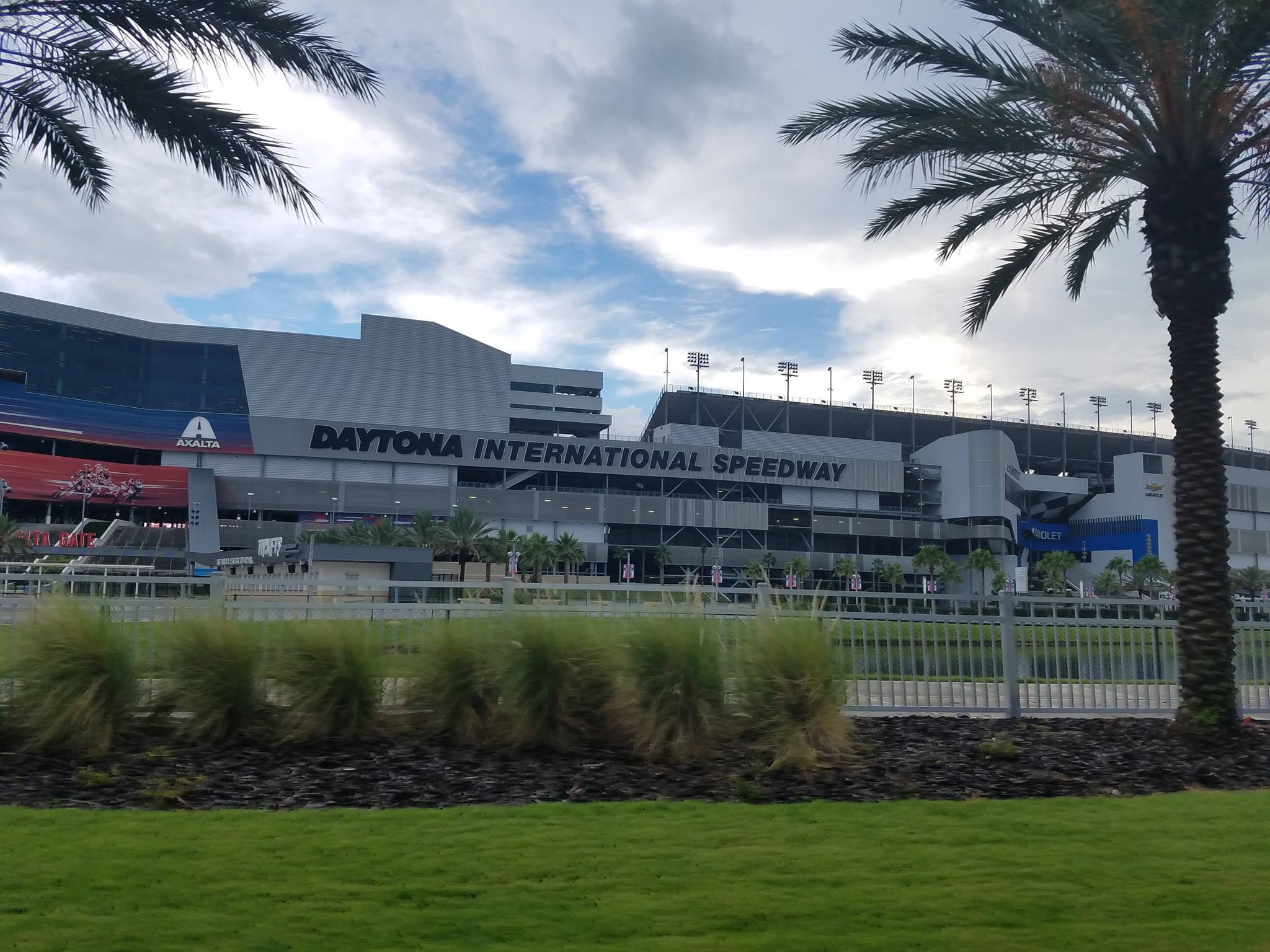
Number 21 – The Daytona 500: Florida’s Legendary Race
Just like Walt Disney World Resort, the Daytona 500 is considered a true Florida institution. Known as “The Great American Race,” it is one of the most famous and prestigious motorsport events in the United States.
Held every year at the legendary Daytona International Speedway in Daytona Beach, the Daytona 500 attracts hundreds of thousands of racing fans, tourists, and spectators from around the world.
Even if you’re not usually interested in car racing, the Daytona 500 is worth experiencing at least once for the incredible atmosphere alone. The roar of the engines, the energy of the crowd, the giant stadium, pre-race entertainment, flyovers, and traditions surrounding the event create a uniquely American experience.
NASCAR culture is deeply connected to Florida and the southeastern United States, and the Daytona 500 is often seen as the unofficial kickoff to the racing season.
🏁 Fun fact: Cars in the Daytona 500 can reach speeds of nearly 200 mph (320 km/h), making the race both thrilling and incredibly intense to watch in person.
Number 22 – The Florida State Flag
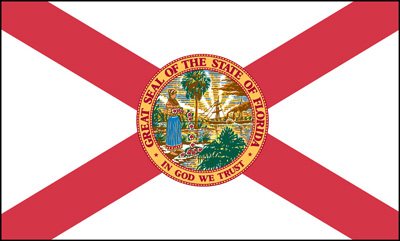
The official flag of Florida was adopted in 1900 and features several symbols that reflect the state’s history, culture, and natural beauty.
The flag has a white background crossed by a large red diagonal cross known as the Cross of St. Andrew. In the center, Florida’s state seal displays a variety of iconic elements connected to the state’s identity.
Inside the seal, you can see sunshine, palm trees, water, a steamboat, and a Native American woman representing Florida’s early history and natural environment. Together, these symbols reflect Florida’s connection to exploration, transportation, tropical landscapes, and Indigenous heritage.
Over the years, the Florida flag has become one of the state’s most recognizable symbols and can be seen everywhere — from schools and government buildings to beaches, parks, and sporting events.
🚩 Fun fact: The red diagonal cross was added to the flag partly to make it stand out more clearly against the plain white background and to give it a more distinctive appearance.
Number 23 – Golf and Pickleball in Florida
Florida is a true paradise for sports lovers, especially when it comes to golf and pickleball. Thanks to its warm climate and sunshine almost year-round, outdoor sports are a huge part of daily life across the state.
Florida is home to more than 1,200 golf courses, making it one of the top golfing destinations in the United States. From luxury resort courses and oceanfront fairways to public community courses, golfers of all skill levels can play almost every day of the year. Cities like Naples, Orlando, Palm Beach, and Sarasota are especially known for their golf communities and championship courses.
In recent years, pickleball has also exploded in popularity throughout Florida. This fast-growing sport combines elements of tennis, ping-pong, and badminton, and it has become especially popular in retirement communities, neighborhoods, parks, and sports clubs across the state.
One of the reasons pickleball is so successful in Florida is that it’s easy to learn, very social, and suitable for all ages. Today, it’s common to see pickleball courts being added to residential communities, parks, and recreation centers everywhere in Florida.
🏌️ Fun fact: Florida hosts numerous professional golf tournaments every year and is home to many professional athletes and retirees who move there partly for the active outdoor lifestyle.

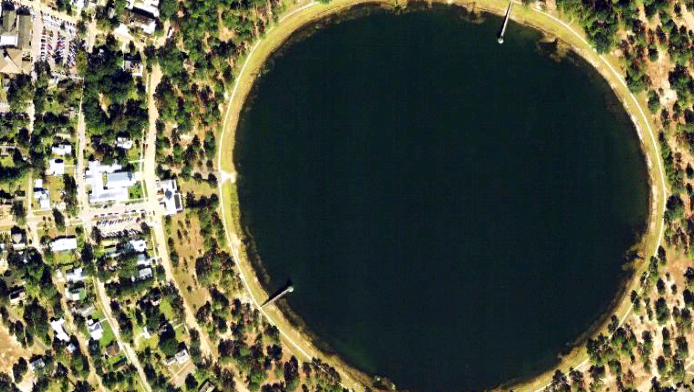
Number 24 – The Perfectly Round Lake of DeFuniak Springs
DeFuniak Springs is home to one of Florida’s most unusual natural curiosities: a nearly perfectly circular freshwater lake known as Lake DeFuniak.
What makes this lake so special is its rare shape. It is considered one of only two naturally round freshwater lakes in the world. Covering around 40 acres, the lake is fed by a natural spring and has fascinated visitors and scientists for generations.
Surrounded by charming historic homes and oak trees, Lake DeFuniak gives the small town a peaceful and picturesque atmosphere that feels very different from Florida’s busy beach destinations and theme parks.
The town itself has a rich history dating back to the late 1800s and was once known as an important educational and cultural center in Northwest Florida.
🌿 Fun fact: Because of its almost perfectly circular shape, Lake DeFuniak is often compared to a giant natural sinkhole filled with crystal-clear freshwater.
Number 25 – Florida Has One of the Longest Coastlines in the United States
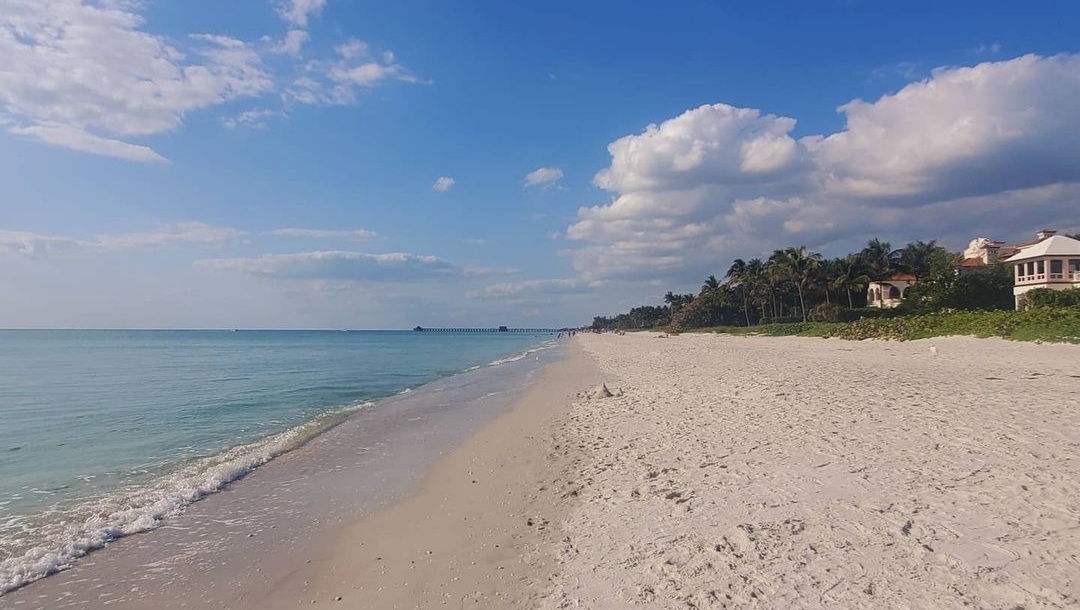
Florida is famous for its spectacular coastline. With approximately 1,200 miles (1,926 km) of coastline and more than 825 miles (1,328 km) of accessible beaches, Florida offers some of the most beautiful beach destinations in the country.
Because the state is surrounded by both the Atlantic Ocean and the Gulf of Mexico, Florida’s beaches are incredibly diverse. Some are known for their lively atmosphere and nightlife, while others remain peaceful, natural, and almost untouched.
One of the most famous beaches is Siesta Key Beach, internationally known for its incredibly soft white sand made mostly of quartz crystal. The sand stays cool under your feet even during the hot summer months, which makes the beach especially unique.
Florida’s coastline is also extremely important for wildlife. More than 80% of the loggerhead sea turtles nesting in the United States are found along Florida’s beaches. Every year, thousands of sea turtles come ashore at night to lay their eggs in the sand.
Many Florida communities actively protect sea turtle nesting areas by limiting lights near beaches and preserving coastal habitats.
🐢 Fun fact: During sea turtle nesting season, visitors in Florida may see protected nesting zones marked directly on the beaches to help keep baby turtles safe after they hatch.
✨ Compare hotels and book your stay at the best price.
Number 26 – National and State Parks: A Paradise for Nature Lovers
Florida is much more than beaches and theme parks. The state is also a true paradise for nature lovers, with an incredible variety of protected natural areas spread across its forests, springs, wetlands, islands, rivers, and coastlines.
Florida is home to approximately 37 state forests, 175 state parks, and 11 national park sites and protected areas. Together, these locations preserve some of the most unique ecosystems in the United States and offer endless opportunities for outdoor adventures.
Among the most famous natural destinations are Everglades National Park, known for its vast wetlands and wildlife, Dry Tortugas National Park with its turquoise waters and historic fort, and Biscayne National Park, where much of the park lies underwater among coral reefs and marine ecosystems.
Florida’s state parks are equally impressive and include natural springs, white-sand beaches, mangrove forests, hiking trails, kayaking areas, and wildlife reserves. Visitors can swim in crystal-clear freshwater springs, paddle through mangroves, camp near the ocean, or hike through subtropical forests.
🌿 Fun fact: Some of Florida’s natural springs stay around 72°F (22°C) year-round, making them popular spots for swimming, kayaking, and even manatee viewing during the winter months.
Number 27 – Florida’s 700 Natural Springs
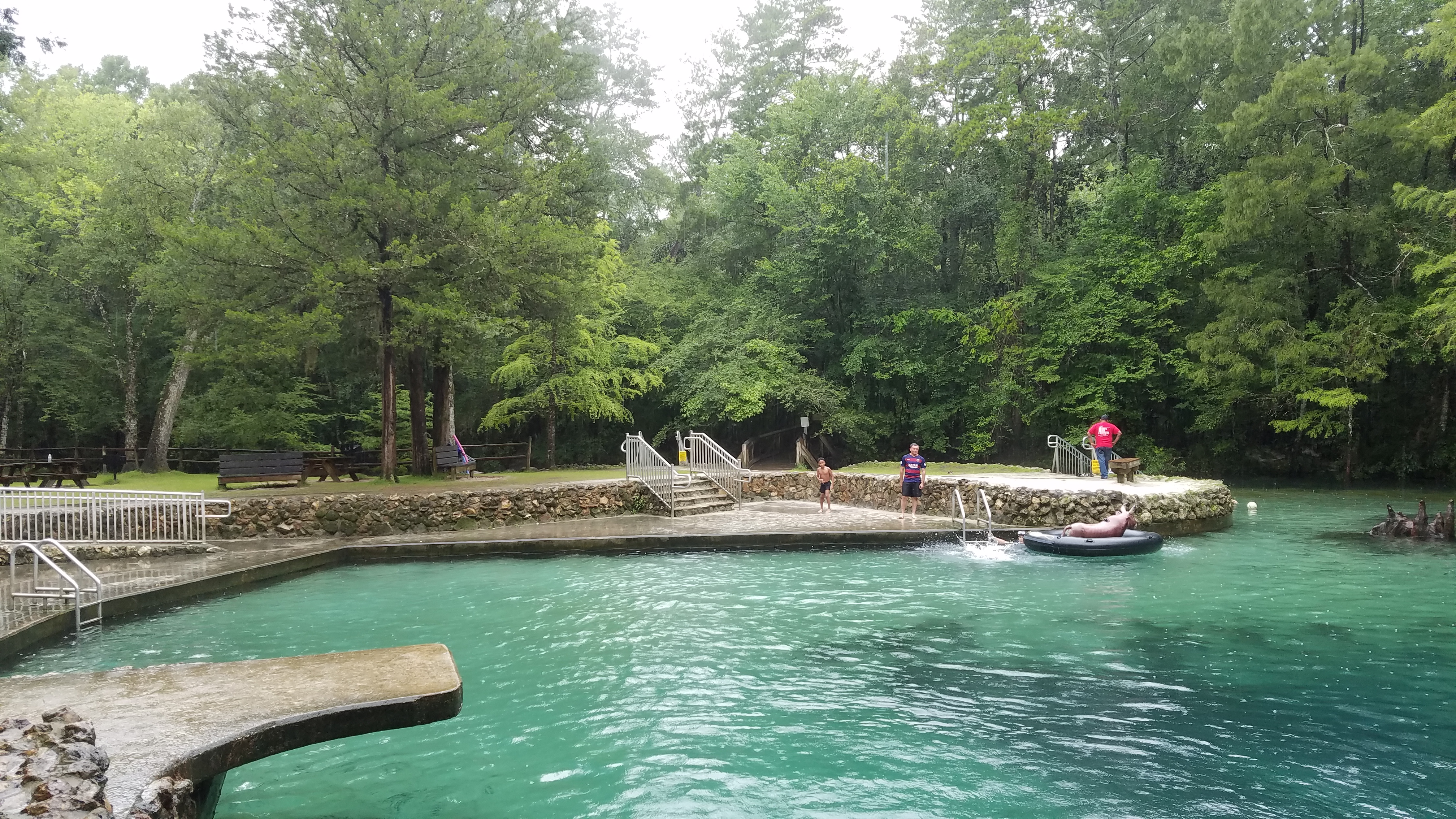
Florida is home to more than 700 natural springs, making it one of the largest concentrations of freshwater springs in the world. These crystal-clear springs are among Florida’s most beautiful natural treasures and attract visitors year-round.
Fed by underground aquifers, the springs produce incredibly clear water with stunning shades of blue and turquoise. Many of them are surrounded by lush forests, wildlife, and peaceful natural parks, creating landscapes that feel almost tropical.
One of the most remarkable things about Florida’s springs is their constant temperature. Most remain around 72°F (22°C) throughout the year, which makes them especially refreshing during Florida’s hot and humid summers.
Popular activities at the springs include swimming, kayaking, paddleboarding, snorkeling, tubing, and wildlife observation. During winter, some springs even become important refuges for manatees seeking warmer water.
Some of the best-known springs include Weeki Wachee Springs State Park, Ichetucknee Springs State Park, Silver Springs State Park, and Blue Spring State Park.
💦 Fun fact: Some Florida springs release millions of gallons of freshwater every single day from underground cave systems hidden beneath the state.
Number 28 – The Amish Community in Sarasota
Many people are surprised to learn that Florida is home to a large Amish and Mennonite community, especially in the neighborhood of Pinecraft, located in the heart of Sarasota.
Pinecraft has become a popular winter destination for Amish families who travel from northern states such as Ohio, Pennsylvania, and Indiana to enjoy Florida’s warm weather and sunshine during the colder months.
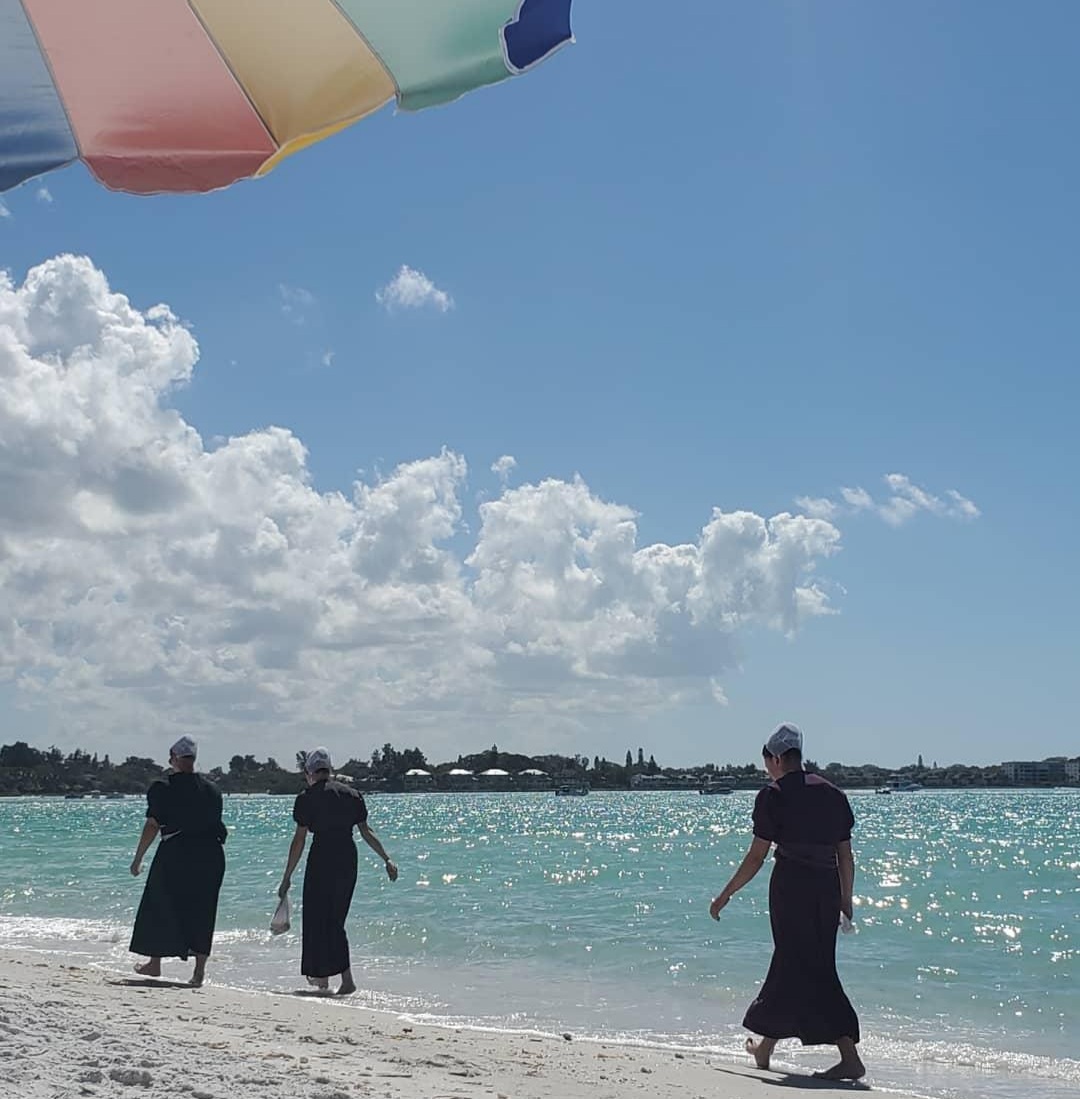
Unlike traditional Amish communities in rural areas, Pinecraft has a unique atmosphere adapted to Florida living. Since horses and buggies are less practical there, many Amish residents use bicycles, scooters, or three-wheeled tricycles to get around the neighborhood.
During the winter season, the local Amish population can grow significantly, with thousands of visitors and seasonal residents coming to enjoy Sarasota’s beaches, warm climate, restaurants, and relaxed lifestyle.
Visitors to Sarasota are often surprised to see Amish families enjoying the beaches, shopping in local stores, or riding colorful bikes through town.
🌴 Fun fact: Pinecraft is considered one of the most famous Amish vacation communities in the United States, attracting Amish visitors from across the country every year.
Number 29 – Florida’s Space Industry
Florida plays a major role in the American space industry and generates billions of dollars every year through aerospace activities, technology, tourism, and research.
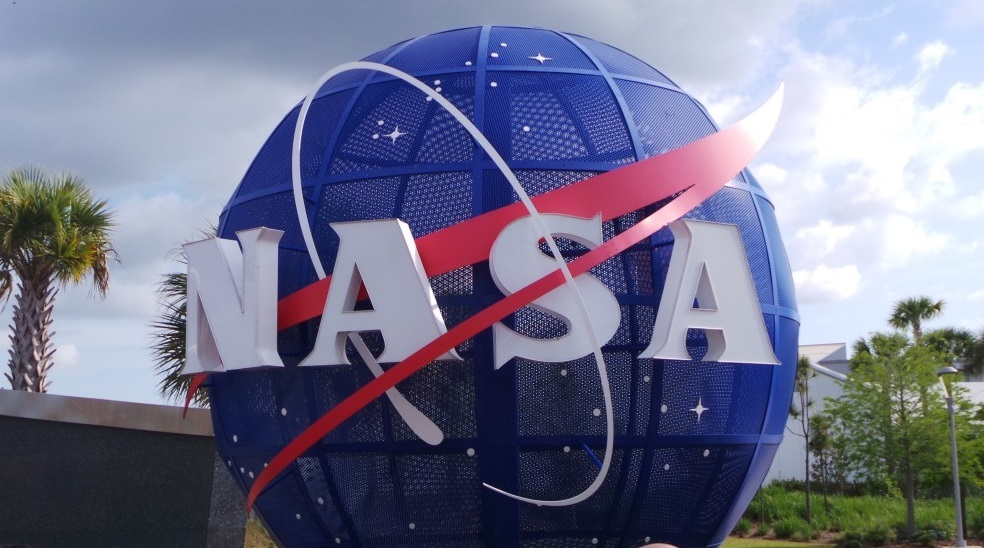
Florida’s Space Coast is one of the most important regions for space exploration in the world. Located near Cape Canaveral, the famous Kennedy Space Center has become one of the state’s most iconic attractions and an essential stop for visitors interested in science and space exploration.
For decades, Florida has been the launch site for historic NASA missions, including Apollo moon missions, space shuttle launches, and many modern private space flights. Today, companies like SpaceX continue launching rockets from Florida regularly, making the region more active than ever.
Visitors to the Kennedy Space Center can explore real rockets, meet astronauts, discover interactive exhibits, and even witness live rocket launches depending on the schedule.
🚀 Fun fact: Florida’s Space Coast is one of the few places in the world where people can sometimes watch rocket launches directly from beaches, parks, or even hotel balconies along the coast.
📍 Check hotel availability and current rates.
Number 30 – More Than 9,200 Miles of Trails to Explore
Florida is an incredible destination for outdoor adventures, offering more than 9,200 miles of trails throughout the state. Whether you enjoy biking, hiking, horseback riding, kayaking, or wildlife observation, Florida provides endless opportunities to explore nature far beyond the beaches and theme parks.
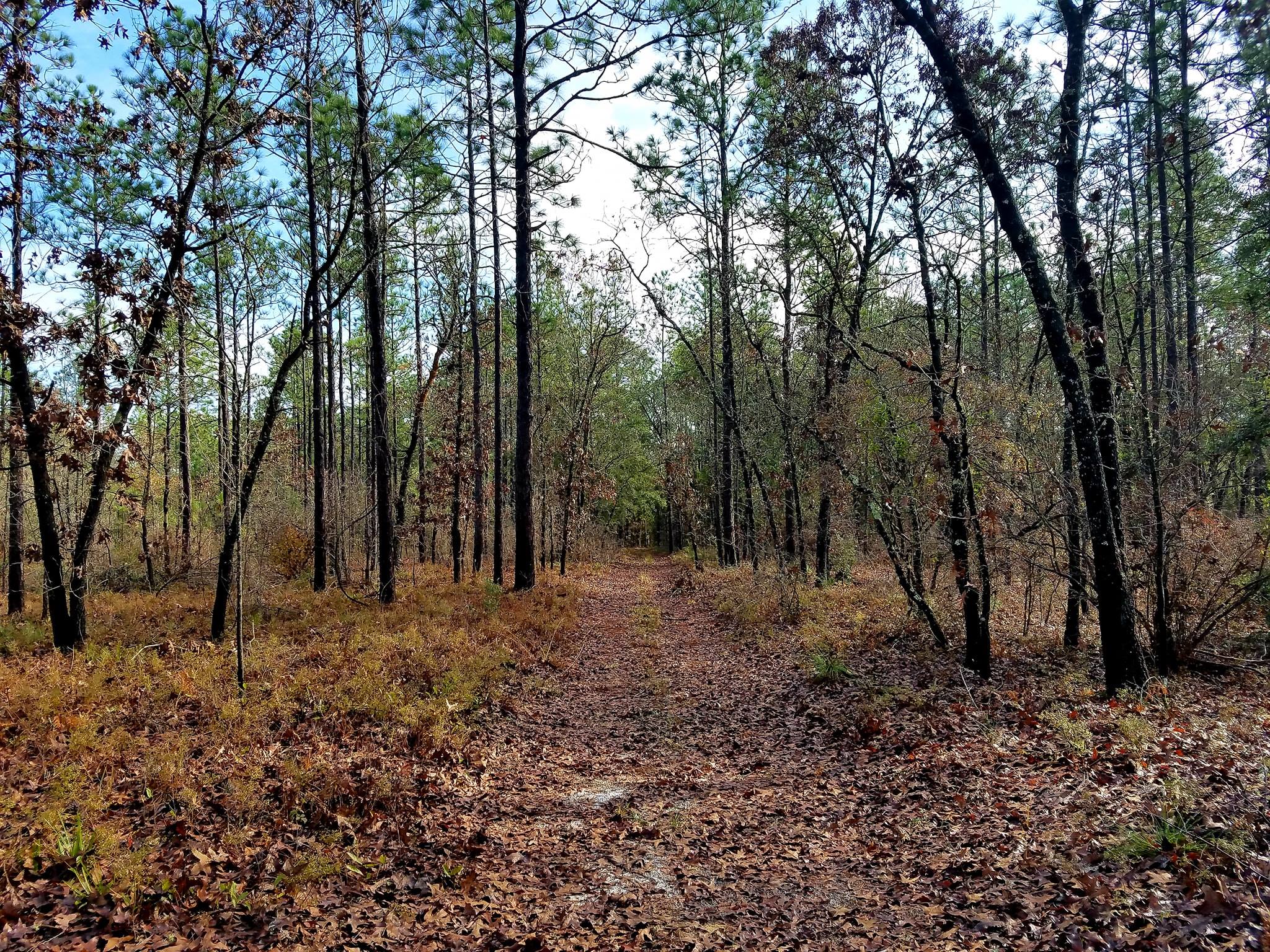
The state’s vast network of trails crosses a wide variety of landscapes, including forests, wetlands, mangroves, coastal dunes, freshwater springs, and tropical ecosystems. From peaceful boardwalks in the Everglades to scenic coastal bike paths and shaded forest trails, every region of Florida offers a completely different experience.
Florida’s outdoor spaces are protected through an impressive system of approximately 37 state forests, 175 state parks, and 11 national park sites and protected areas. Nature lovers can spend days discovering hidden springs, observing wildlife, camping under the stars, or paddling through untouched natural environments.
Some trails lead through areas filled with alligators, manatees, birds, and deer, while others offer spectacular ocean views or access to secluded beaches and islands.
🌿 Fun fact: Because Florida is relatively flat, many of its trails are accessible to beginners and families, making outdoor activities popular year-round thanks to the state’s warm climate.
Florida: A State Full of Surprises
Between its endless beaches and spectacular sunsets, mysterious Everglades and incredible wildlife, Florida never stops surprising visitors. From its rich history and vibrant culture to its refreshing natural springs and tropical islands, Florida offers far more than most people expect.
The state is home to breathtaking natural wonders such as the Everglades National Park and the Florida Reef, the only living coral reef in the continental United States. Whether you’re exploring mangroves by kayak, searching for shark teeth on the Gulf Coast, relaxing on world-famous beaches, or discovering charming historic towns, every part of Florida has its own unique atmosphere.
From the colorful streets of Key West to the vast urban landscapes of Jacksonville, Florida, it constantly offers new experiences and hidden gems waiting to be explored.
Whether you’re a tourist, a future resident, or simply curious about the Sunshine State, Florida promises adventure, nature, culture, and unforgettable memories around every corner.
Ready to explore the Sunshine State and fall in love with its hidden treasures?
🌴 To discover even more about Florida, check out:
- 12 amazing water parks to visit in Florida
- 10 unusual places to stay in Florida
- 10 unique restaurants you need to try in the USA
Florida’s outdoor spaces are also protected through an impressive network of approximately 37 state forests, 175 state parks, and 11 national park sites and protected areas. Nature lovers can spend days exploring hidden springs, spotting wildlife, camping under the stars, or paddling through untouched natural landscapes.
Some trails lead through areas filled with alligators, manatees, birds, and deer, while others offer spectacular ocean views or access to secluded beaches and islands.
🌿 Fun fact: Because Florida is relatively flat, many of its hiking and biking trails are accessible to beginners and families, making outdoor adventures popular year-round thanks to the state’s warm climate.