
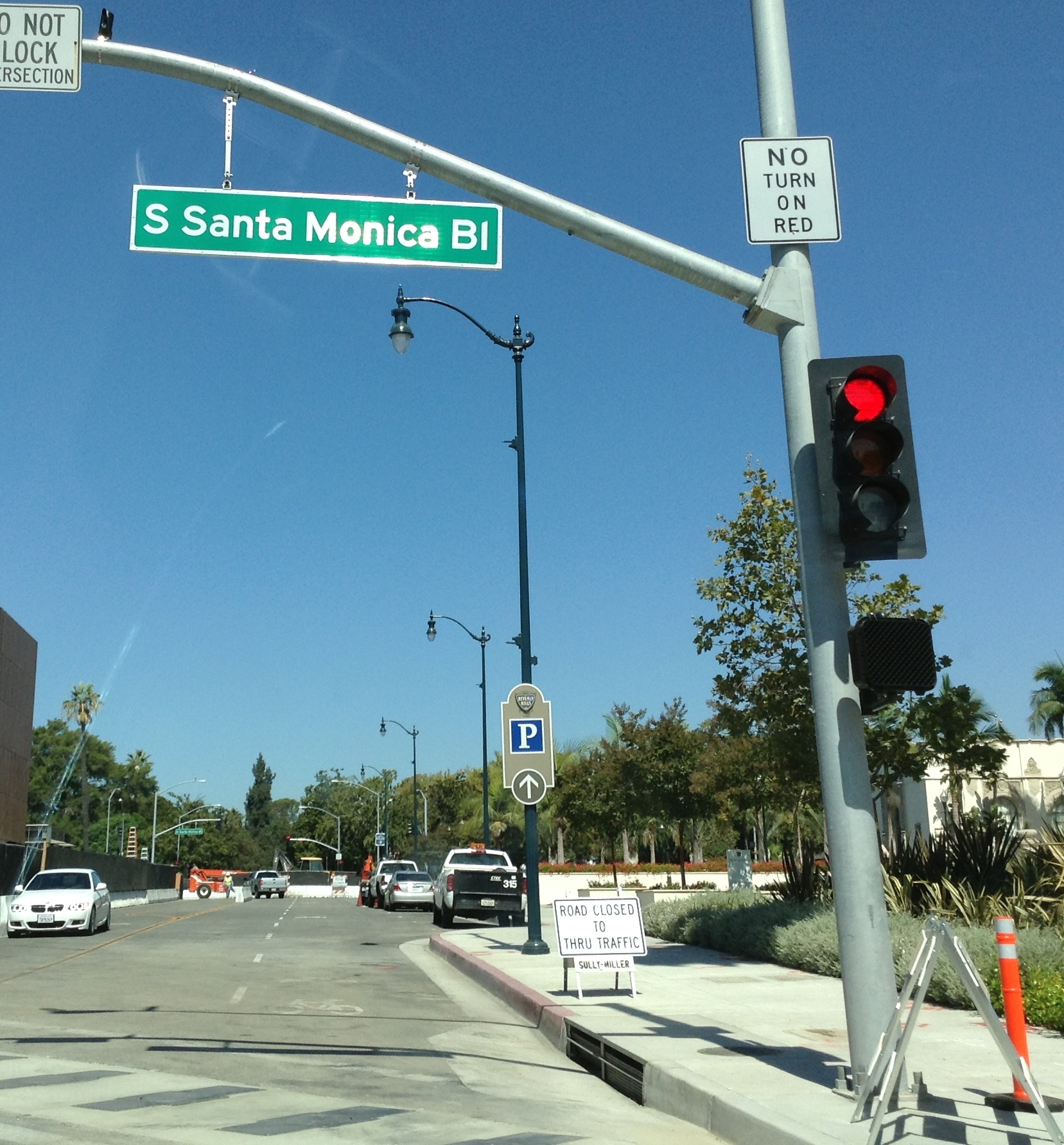
Driving in the USA
Driving in the United States is not difficult in itself, but it does require adapting to some local rules and habits. Even experienced European drivers can be surprised by a few details at the beginning. Here are some practical points that are especially useful to know.
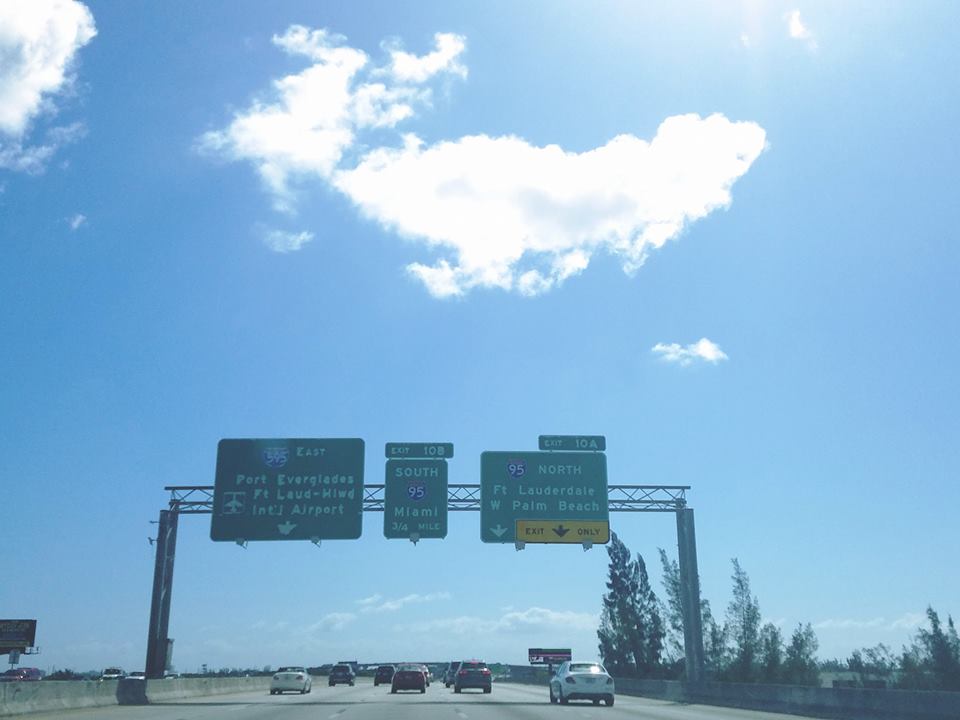
Turning right at a red light
In many situations, you may turn right at a red light if it is allowed and if you do not interfere with traffic. That means you must come to a complete stop first, then make sure no car is coming from your left and no pedestrian is crossing.
Four-way stops
At many intersections, especially where four stop signs face each other, the rule is generally based on order of arrival. The first vehicle to stop is the first one allowed to proceed. This is a very common American traffic situation and one that foreigners need to understand quickly.
HOV lanes
Some interstates and major roads have special lanes reserved for vehicles carrying multiple passengers. These are indicated as HOV2 or HOV3. The exact rules can vary, but the principle is the same: these lanes are not open to everyone at all times.
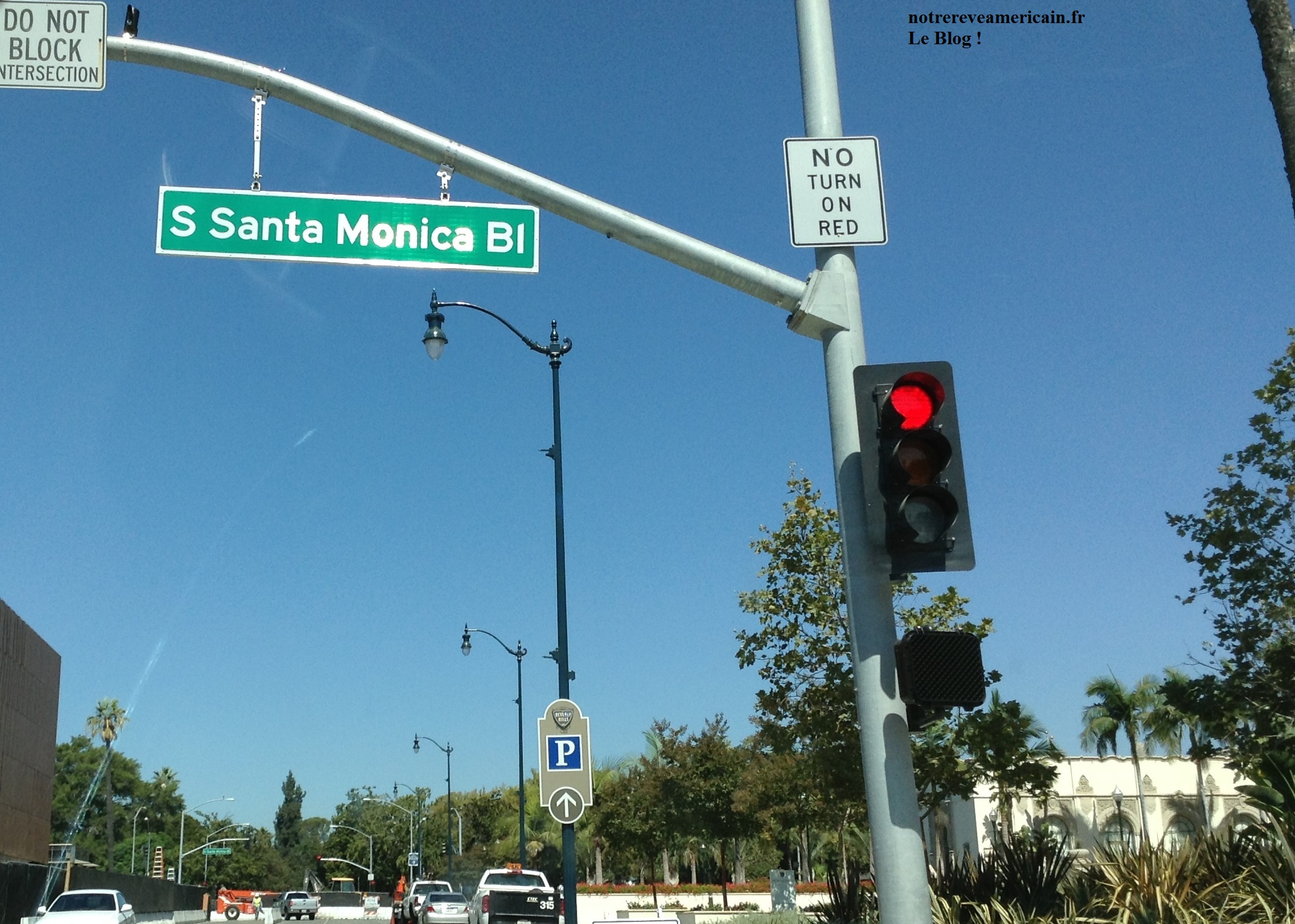
School buses
If a school bus is stopped with its lights activated, you must be extremely careful and, in many situations, stop. The goal is to protect children crossing the road. This is one of the most important rules to remember because the consequences of ignoring it can be serious.
Parking signs
American parking signs can also be confusing at first. Terms such as No Parking, No Standing, No Stopping, or Tow Away all mean different things, and they should not be taken lightly.
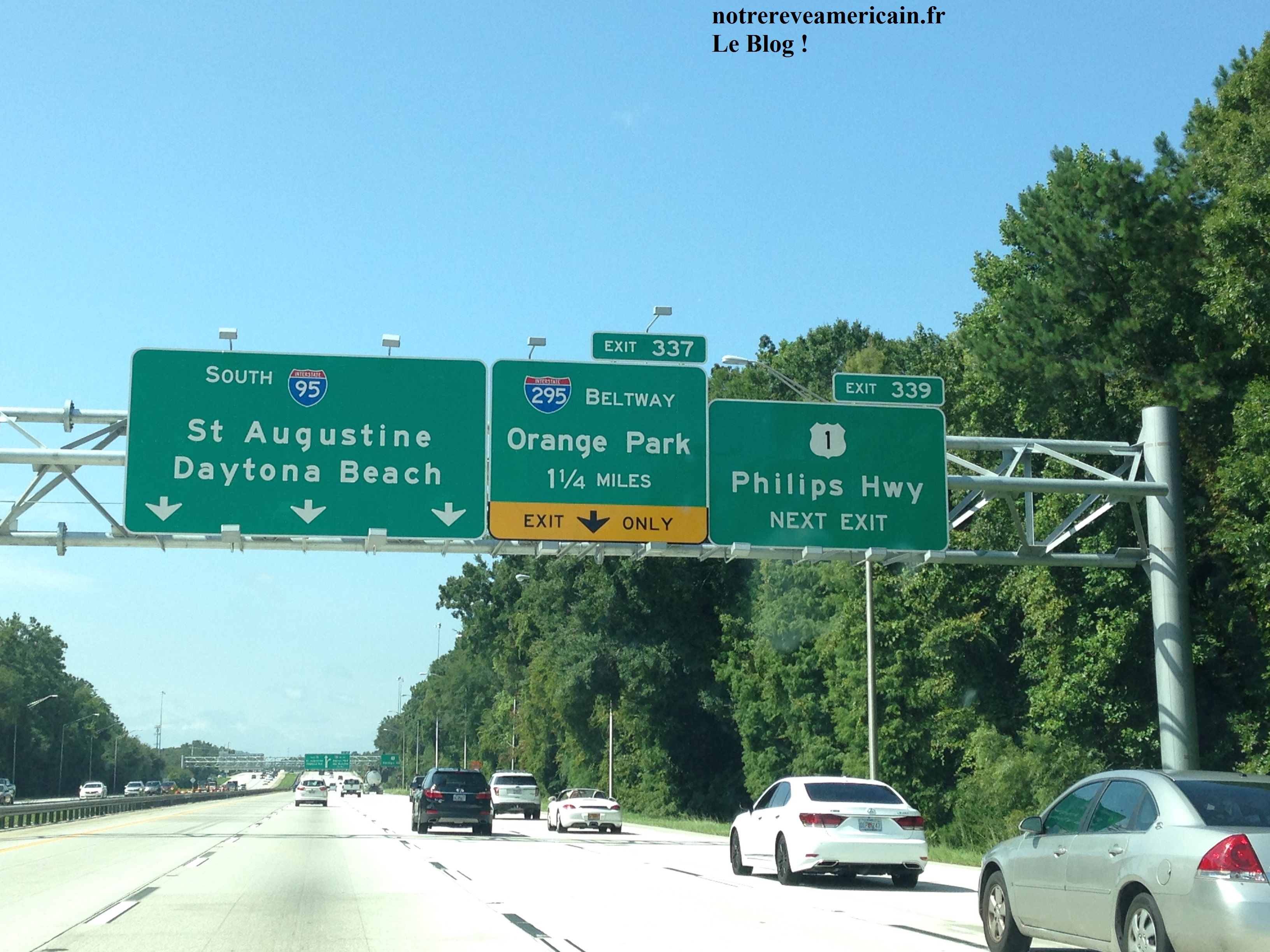
Gas stations and GPS
Even simple things like buying gas or using a GPS can feel slightly different in the United States. Payment systems, distances, and road layouts may require a short adjustment period, especially on your first trips.
Final thoughts
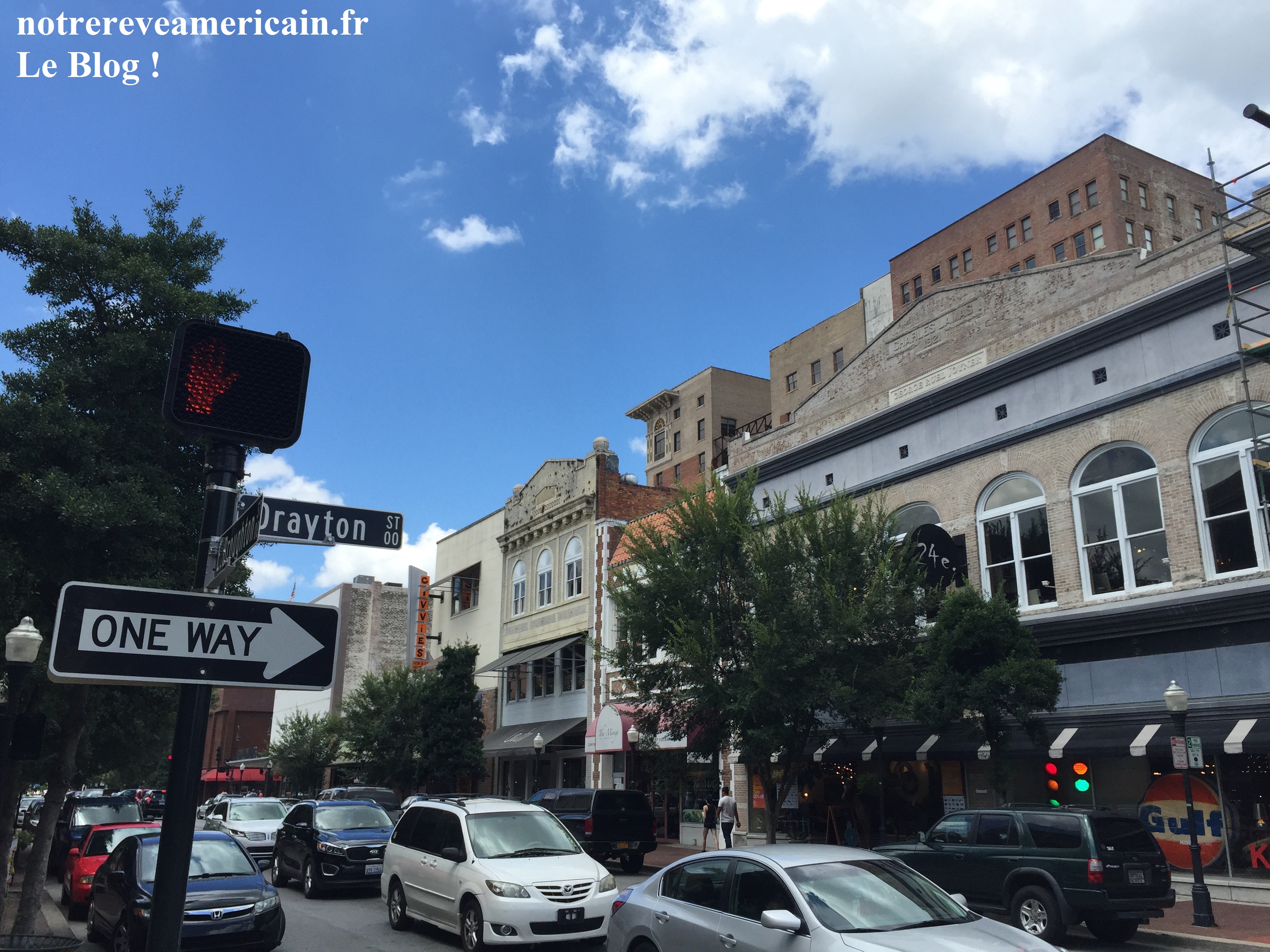
The best way to feel comfortable driving in America is to learn these specific rules early. Once you understand the logic, driving in the United States can be very pleasant, especially because roads are often spacious and road trips are part of the culture.
Other practical rules to remember
There are several additional details that often surprise drivers coming from Europe. Distances are sometimes indicated in a way that makes exits feel farther apart. Large junctions can look intimidating at first, especially around interstates and major urban roads. GPS is therefore very useful, but it should be supported by basic knowledge of local traffic logic.
You also need to stay alert for parking regulations, towing zones, school zones, and lane restrictions. A sign that looks secondary may actually have important consequences. This is especially true in busy cities, shopping areas, and tourist zones.
Why driving still becomes pleasant

Once the local rules are understood, driving in the United States can actually become very enjoyable. Roads are often wide, signage is generally clear, and long-distance travel is part of the country’s rhythm. That is why many visitors quickly end up loving the American road-trip experience despite the initial adaptation period.